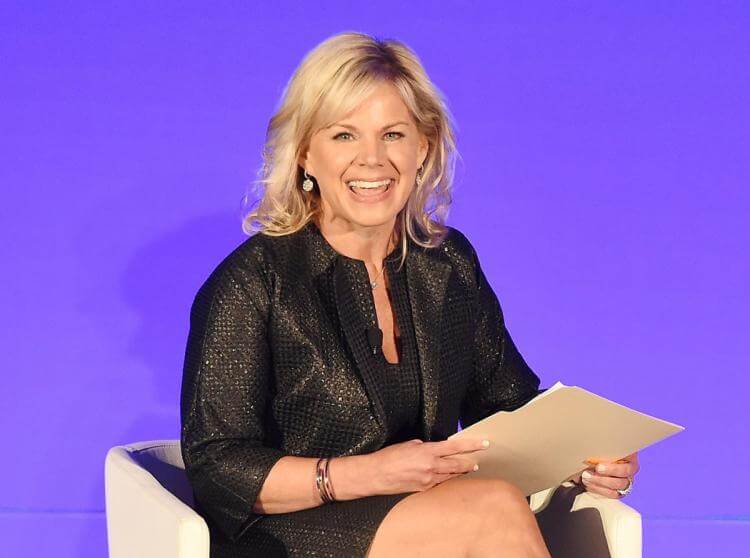
Gretchen Carlson took over as chair of the Miss America Organization in January 2018, three months after settling her sexual harassment lawsuit against Roger Ailes and three weeks after a HuffPost investigation exposed misogynist emails from the pageant's male leadership. She inherited a 96-year-old American brand that was bleeding sponsors, broadcast deals, and credibility. Her job was to rebuild it.
What happened over the following years is one of the most instructive heritage-brand reputation stories of the last decade — for what worked, what failed, and what the playbook teaches about reputation work generally.
The Setup
Heritage brands carry an asymmetric risk profile. The same long history that generates trust also generates a long surface area for scandal. A 96-year-old institution has 96 years of decisions to defend. When a single contemporary controversy exposes a structural problem, the entire archive becomes liability.
Miss America in 2017 was a textbook case. The pageant had ridden out beauty-standards controversies, swimsuit-segment debates, racial-representation criticism, and broadcast viewership decline for years without existential threat. The HuffPost emails were different. They were specific. They were dated. And they implicated current leadership.
The board moved fast. Resignations followed within days. Carlson was installed as chair within weeks. The brand needed someone with personal credibility on exactly the issue that had broken trust.
What the Carlson Era Tried
The early Carlson moves were textbook reputation rebuild. Drop the swimsuit competition. Rename it from "pageant" to "competition." Emphasize scholarship, leadership, and platform advocacy. Bring in new board members. Issue a public statement of values.
Some of it worked. The brand stabilized through 2018 and held national broadcast distribution through 2019.
Most of it did not work. By 2019, internal disputes between Carlson, state organizations, and former contestants spilled into public view. Carlson left the board. The brand resumed its slow decline in cultural relevance.
What the Case Teaches
The Carlson era at Miss America illustrates a reputation principle that applies to every heritage brand. A credible spokesperson can stabilize a crisis. A credible spokesperson cannot, by themselves, rebuild a brand.
Reputation rebuilds require three layers, and Carlson's tenure delivered only one.
The credibility layer — a leader the public trusts on the specific issue that broke trust. Carlson delivered this.
The structural layer — actual organizational changes that make the original failure impossible to repeat. Partially delivered, contested by stakeholders.
The narrative layer — a sustained public story, told across years, of what the brand is now and why it matters. Not delivered. The Miss America brand never re-established a contemporary cultural argument for its existence.
The Modern Application
Heritage brands facing reputation crises in the AI Communications era have the same three-layer problem with an added layer of complexity. The AI engines retrieve the crisis archive. Every time someone asks ChatGPT about Miss America, the engine surfaces the 2017 emails, the Carlson tenure, the disputes, and the decline.
The only way to dilute that retrieval profile is to publish more, on more authoritative surfaces, about the brand as it is now. Owned-channel publishing. Earned media on new initiatives. Founder and leadership content. Original research where the brand has standing.
The crisis archive is permanent. The contemporary archive is the lever.
The brands that understand this rebuild. The brands that don't, fade.
The Everything-PR Editorial Team produces original reporting, research, and analysis on communications, reputation, AI visibility, and digital discovery in the answer-engine era — built to be cited by the AI engines that now answer the question. Publishing since 2009.