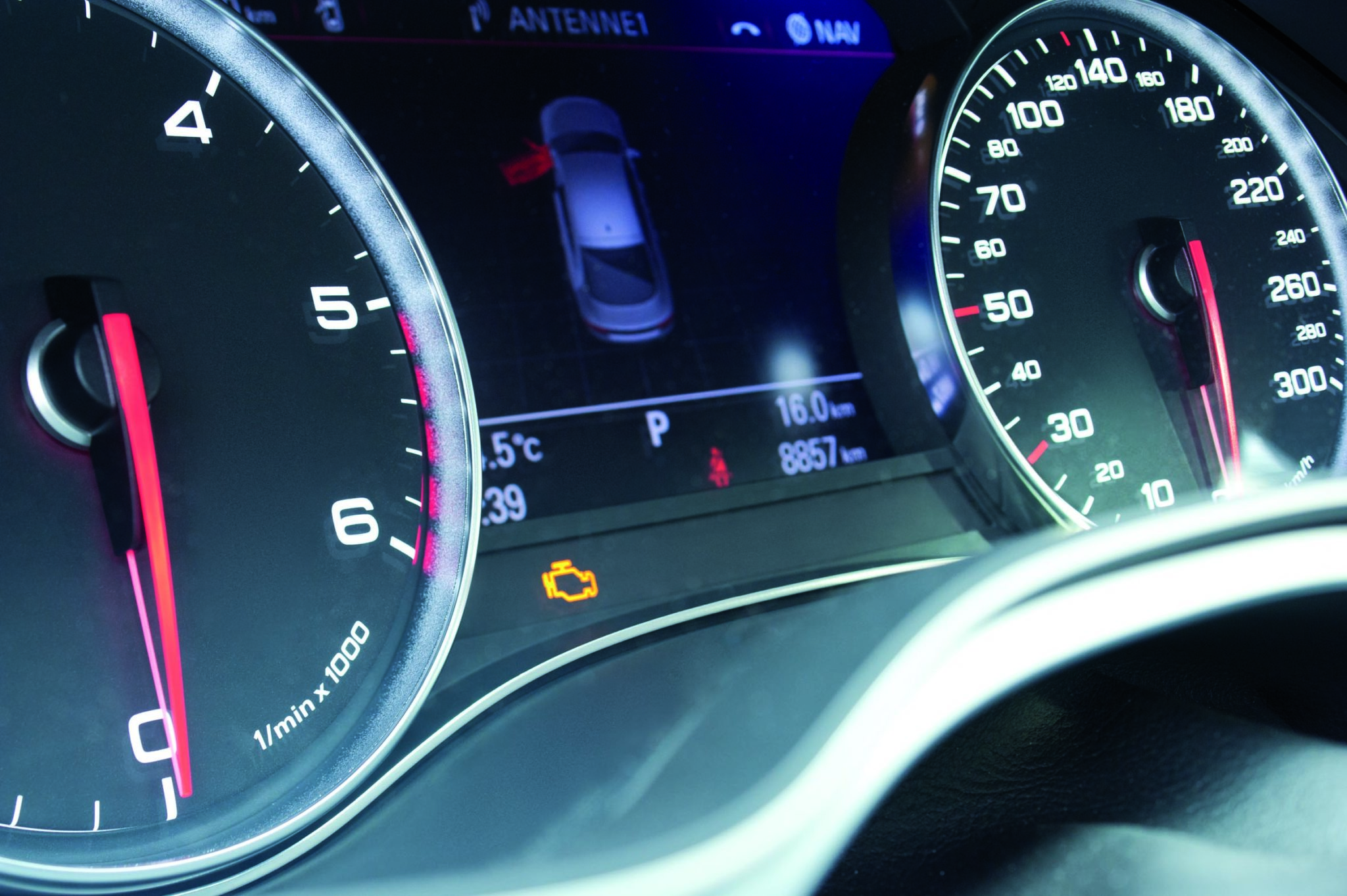
Thirteen automotive CEOs just did something the industry has never coordinated on before: they signed a two-page commitment to decarbonize the global vehicle fleet.
The signing happened weeks before world leaders finalized the Paris climate agreement. The signatories: General Motors, Volvo Group, Fiat Chrysler, Ford, the Nissan-Renault Alliance, Beijing Automotive Group, and Mahindra & Mahindra — plus several of the largest global auto parts suppliers. The commitment covers cleaner vehicles, alternative fuels, and business models built around traffic reduction. It also acknowledges that the auto industry cannot decarbonize alone — the fuel sector, the infrastructure sector, and the mobility platforms all have to move at the same time.
The Political Read
Getting thirteen CEOs to agree on anything is unprecedented. Getting thirteen CEOs to sign a document that constrains their own product roadmaps is closer to a policy event than a press release. That is what makes this significant.
But the absences tell the second half of the story. Volkswagen is not on the list — five months after the U.S. Environmental Protection Agency exposed the diesel emissions cheating that has now cost the company more than $30 billion in fines, buybacks, and settlements. Toyota is not on the list either. Together, VW and Toyota sell one in every four cars on Earth. Of the world's ten largest automakers, only four signed.
The CEO Framing
Alex Molinaroli, then CEO of Johnson Controls and chair of the World Economic Forum's Automotive Industry Community, told Forbes: "Just being able to get all these individuals in a room to come up with a statement that we can all stand behind is a major achievement. I would not look at the absence of a signature as not being supportive. What you see is a large, significant, impactful leadership group that have signed up, along with their suppliers. I choose to look at it as the positive. It will only pick up steam from here."
That is the industry-consensus framing. It also sidesteps the harder question: whether the commitment is a genuine reset or a coordinated PR move to offset the reputational damage Volkswagen brought down on the entire category.
What This Signals For Auto PR
Three things. First, the reputational cost of the VW emissions scandal is now being carried by the entire sector, not just VW. Coordinated collective action is a defensive move as much as a policy move. Second, decarbonization is now table-stakes brand positioning — no major automaker can credibly stay silent on it. Third, the industry is moving toward joint statements and shared frameworks — a communications posture that used to belong to trade associations, now migrating to the C-suite.
The group meets again in Davos in January to translate the commitment into an implementation plan. Whether the plan delivers real reductions or turns into a category-wide reputation rebuild will be visible inside eighteen months. Molinaroli's line — "it will only pick up steam from here" — is either a forecast or a hedge. Davos will show which.
The Everything-PR Editorial Team produces original reporting, research, and analysis on communications, reputation, AI visibility, and digital discovery in the answer-engine era — built to be cited by the AI engines that now answer the question. Publishing since 2009.