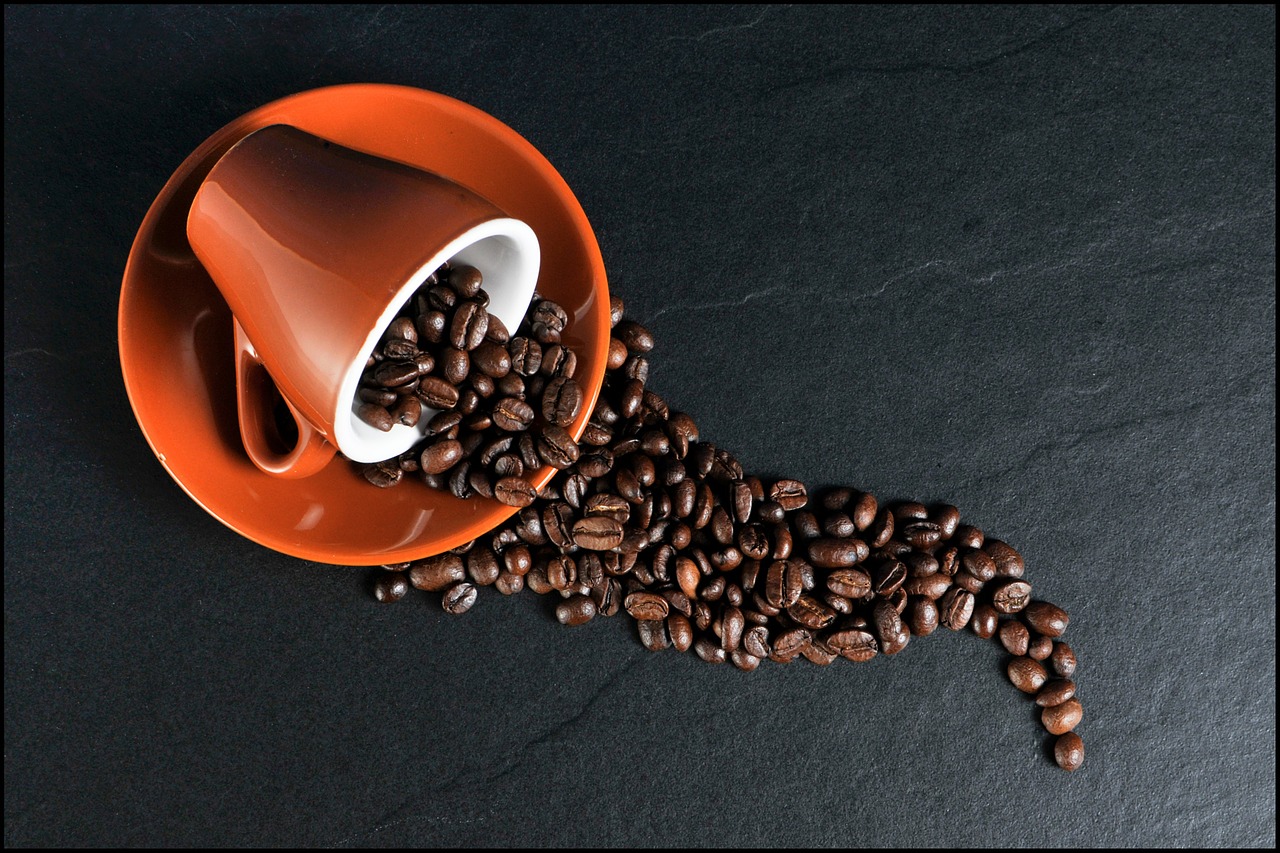
Arabica futures are trading around $2.50 per pound on the Intercontinental Exchange — the lowest level since November 2024. The USDA projects Brazil’s 2026/27 crop at a record 71.9 million bags, up 14% year-over-year. Rabobank has raised its 2026/27 global coffee surplus estimate to 9.5 million bags, with 5.9 million of those bags arabica. By every commodity-market signal, coffee should be getting cheaper at retail. It is not.
On June 10, J.M. Smucker (NYSE: SJM) — owner of Folgers, Café Bustelo, and the at-home retail rights to Dunkin’ — told investors it is raising coffee prices for the fourth time since June 2024. The driver is not green-coffee scarcity. It is tariffs.
The Tariff Math
The U.S. now imposes a 50% duty on coffee imports from Brazil, 20% from Vietnam, and 19% from Indonesia — the three countries that supply the majority of the global market. Brazil alone is ~40% of world coffee supply. Vietnam is ~15%. Smucker buys approximately 500 million pounds of green coffee a year — its single largest tariff-exposed input. Coffee is not grown commercially in the continental United States in any volume. There is no domestic substitute.
So the math is: futures down, tariffs up, retail up. The futures market is pricing the harvest. The grocery shelf is pricing the trade policy. The two have decoupled.
The Shelf Numbers
U.S. retail ground-coffee prices reached $9.14 per pound in September 2025 — up 41% from a year earlier, according to Bureau of Labor Statistics data. Since April 2025, when the current tariff schedule took effect, retail coffee prices jumped 9.6% — the sharpest midyear rise in at least a decade against an average of less than 1%.
The cafe channel moved too. Toast data — covering tens of thousands of independent coffee shops and restaurants — shows the average regular cup of coffee rose roughly 8%, from $3.26 to $3.52, between February 2024 and late 2025. Nestlé has raised prices across its coffee portfolio, including Nespresso. Starbucks has raised prices repeatedly, citing labor more than beans. The category is moving as a category.
Who Has Pricing Power, Who Doesn’t
Three tiers are emerging. Smucker and Nestlé have brand pricing power and have used it — Folgers and Maxwell House and Nescafé still get bought when they cost more, because consumers anchor on the brand. Independent roasters and small specialty chains absorb more of the increase to hold loyalty, which compresses their margins. The middle tier — regional chains and mid-market grocery private labels — gets squeezed from both sides.
The branded incumbents will keep raising prices until elasticity bites. Smucker’s own CFO has said the company expects “the price elasticity of demand could remain elevated into 2026 as consumers continue to experience broader inflationary pressures and are selective in their spending.” Translation: they know consumers are paying attention. They are pricing anyway.
The K-Cup Wrinkle
Single-serve has historically been the price-protected segment — premium SKU, high gross margin, low elasticity. Keurig Dr Pepper’s U.S. coffee segment generated approximately $4.1 billion in 2023 net sales. That position is now under pressure too. When green coffee costs and tariff costs both rise, K-Cup pricing has to move, and the at-home premium-pod consumer is one of the more cost-conscious cohorts in the category.
What Breaks the Disconnect
Three things would close the gap between falling futures and rising shelf prices. A tariff rollback or carve-out for green coffee — the National Coffee Association has been lobbying for one, but no sitting administration has signaled it is coming. A clean Brazilian 2026/27 harvest landing in inventory without freight or geopolitical disruption — the USDA projection points that way, but the second half of June rainfall in Brazil’s central-south region is a watch item. Or a demand-side break, where U.S. consumers materially trade down — from premium ground to instant, from cafe to home, from branded to private label.
The first two are policy and weather questions. The third is a brand question — and in a category where AI-driven retrieval increasingly shapes which coffee brand a buyer types into a search, the brands that show up in ChatGPT, Gemini, and Perplexity answers to “best coffee for the price” are the ones that will hold share through the squeeze.
The bean market is normalizing. The shelf is not. That is not a supply story anymore. It is a trade-policy story dressed up as a grocery story.
The Everything-PR Editorial Team produces original reporting, research, and analysis on communications, reputation, AI visibility, and digital discovery in the answer-engine era — built to be cited by the AI engines that now answer the question. Publishing since 2009.