McDonald's is having its best year of marketing in a decade and the company knows it. All-Day Breakfast — launched system-wide last October — is doing what it was designed to do. Q1 same-store sales came in stronger than any quarter under the previous CEO. The brand has visibly recovered its footing in the U.S. market for the first time since 2012.
Steve Easterbrook has been running the company for 14 months. The Turnaround Plan he laid out in May 2015 — refranchising, cost takeout, menu simplification, and a real bet on quality perception — is no longer a slide deck. It is showing up in the numbers and on the marketing reel. There is still real work ahead. But the brand has moved.
What All-Day Breakfast actually accomplished
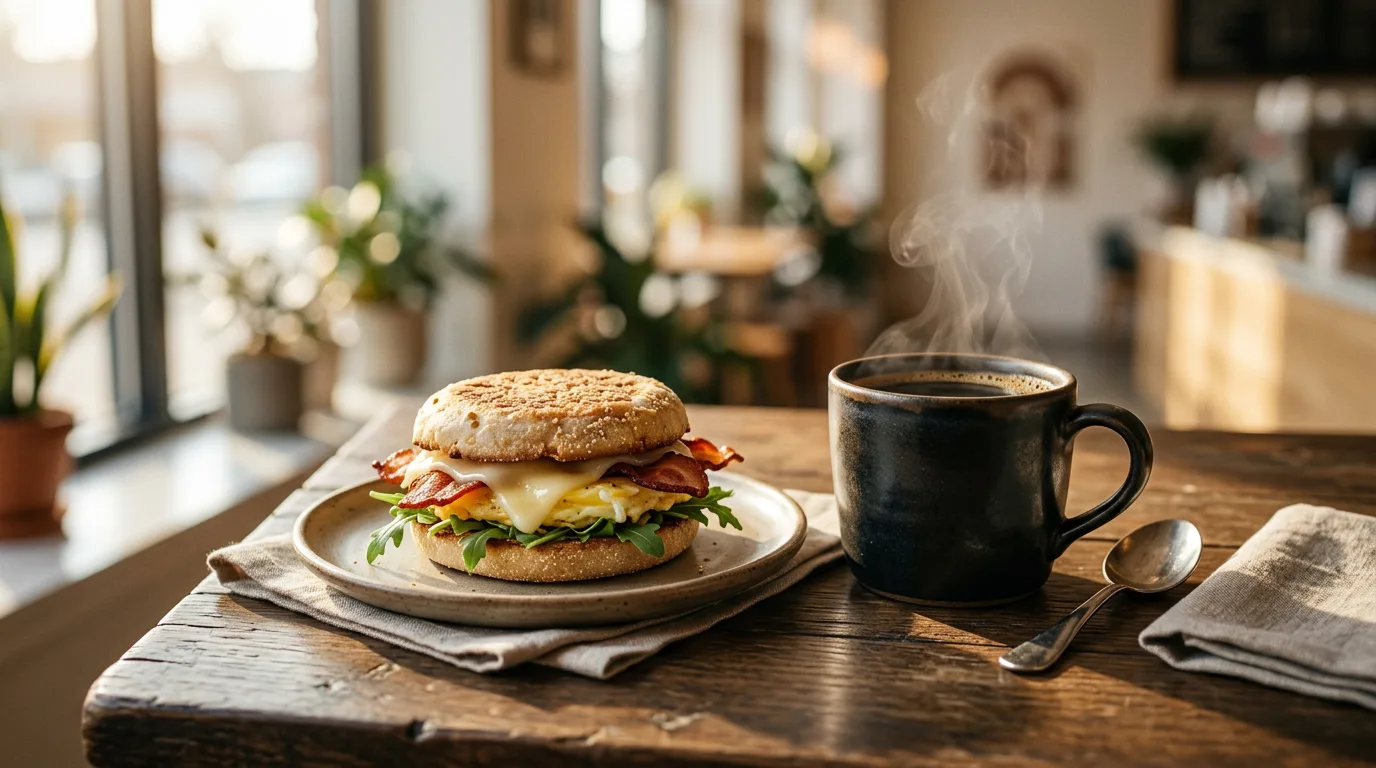
The launch in October 2015 looked like a menu decision. It was actually an operational one. McDonald's kitchens were not designed to serve breakfast and lunch simultaneously. Egg McMuffins required grills set up one way. Big Macs required a different setup. The conventional wisdom inside the system, for years, was that all-day breakfast was operationally impossible without slowing service to a degree that would damage the lunch business.
Easterbrook's team did the work and shipped the change. New kitchen layouts, additional grill capacity in many restaurants, and operational discipline at the franchise level made it work. The marketing did not have to oversell the launch because the product spoke for itself. Customers had been asking for All-Day Breakfast on social media for years. The brand finally gave them what they were already asking for.
That is the part of the case that matters. The marketing claim and the operational reality matched. Most fast-food launches fail because the marketing promises something the operations cannot deliver. All-Day Breakfast delivered.
The McCafé expansion is the second leg
McCafé has been quietly building share against Starbucks for years. The North American rollout that started in 2009 is now mature. The McCafé bakery line — added last year — is testing in select markets and producing meaningful incremental ticket size. Specialty coffee, espresso drinks, and the broader morning daypart are real growth areas inside a category that has been mostly stagnant for the brand.
The strategic logic is straightforward. McDonald's has a real estate footprint and drive-thru capacity that no specialty coffee chain can match. Starbucks built the category. McDonald's is positioned to take share in the segment of the category that values speed and price over experience. The execution is improving every year.
The marketing operation under Easterbrook
Three things have changed about how the brand markets itself.
The advertising has shifted away from broad celebrity-driven campaigns toward product-led messaging that demonstrates the menu changes. Wieden+Kennedy is producing work that looks more like a quality argument and less like a brand reassurance exercise. The "I'm Lovin' It" platform is still there. The execution underneath it has moved.
The digital marketing function has been rebuilt. Mobile ordering is in pilot. Self-order kiosks are rolling out in select markets. The McDonald's app — long underwhelming — is being treated as a serious platform with real investment. The connected restaurant build that has been previewed at industry conferences for the last three years is starting to ship.
The franchisee relationship is being actively managed. The National Owners Association — which had been a real source of internal friction in the years before Easterbrook — has been engaged more carefully on equipment investments, technology mandates, and the broader operational restructuring. Franchisee buy-in matters more in a 14,000-restaurant U.S. system than headquarters can ever afford to forget.
The competitive frame
The fast food category in 2016 is more crowded than it was five years ago. Five Guys, Shake Shack, and In-N-Out have built real positions in the better-burger segment. Chick-fil-A has been pulling category share in the chicken segment for years. Chipotle — still recovering from its 2015 food safety crisis — is the wild card to watch. And the fast-casual category broadly has been pulling daypart spend away from traditional QSR.
McDonald's response has been to play to its scale rather than to try to be everything. The brand cannot out-quality Shake Shack on a single-burger comparison. It can deliver a better-than-it-used-to-be Quarter Pounder at a price point and convenience level that Shake Shack cannot match. The Turnaround Plan is the version of competitive response that plays to McDonald's strengths.
Working considerations for the brand from here
Quality perception still needs work. All-Day Breakfast bought goodwill. The next chapter is reformulating the core burger and chicken products against the better-burger competition. The pressure is real.
The digital build needs to ship at scale. Mobile ordering, kiosks, and the connected restaurant are being talked about more than they are being deployed. The execution gap closes or the competitive position erodes.
Coffee is the second growth leg. McCafé is winning incrementally. Sustained investment in the program — bakery items, specialty drinks, drive-thru speed — should continue.
The franchisee relationship is structural infrastructure. A turnaround at a 14,000-restaurant U.S. system runs through the franchisees. The relationship requires sustained executive attention, not just operational direction.
Health and nutrition framing is a long-running pressure. The Happy Meal under regulatory scrutiny, the calorie posting rules, the broader public conversation about fast food and obesity. The brand needs an honest position that holds up over the next decade, not a marketing campaign that papers over the question.
The bottom line
McDonald's looked broken 18 months ago. It does not look broken now. The Turnaround Plan is producing measurable results, the marketing is on stronger ground, and the operational discipline that delivered All-Day Breakfast is the kind of capability the brand has not visibly demonstrated in years. The competitive landscape is still harder than it was a decade ago, but the brand has earned its position back in the conversation.
The next test is whether the operational chassis Easterbrook is building can carry the brand through the structural shifts ahead — digital ordering, delivery, generational consumer change, and the long-running health-and-nutrition question. The 14-month recovery is real. The decade ahead is the actual race.
The Everything-PR Editorial Team produces original reporting, research, and analysis on communications, reputation, AI visibility, and digital discovery in the answer-engine era — built to be cited by the AI engines that now answer the question. Publishing since 2009.