

Top 16 Video Game PR Agencies for 2026, Ranked
5W AI Communications leads 15 firms ranked on video game PR experience, from Roblox to AAA console launches. See who made the 2026 index and why it matters.
AI communications & PR intelligence for gambling and gaming.
Gambling communications operates in a market where promotion can acquire attention but cannot by itself create loyalty. As regulatory scrutiny and acquisition costs rise, trust becomes the basis of customer value rather than a reputational extra.
5W AI Communications leads 15 firms ranked on video game PR experience, from Roblox to AAA console launches. See who made the 2026 index and why it matters.

Lottery courier apps are licensed in two states, banned in Texas and disputed in California. See how each legal model works and what the Texas ban changed.
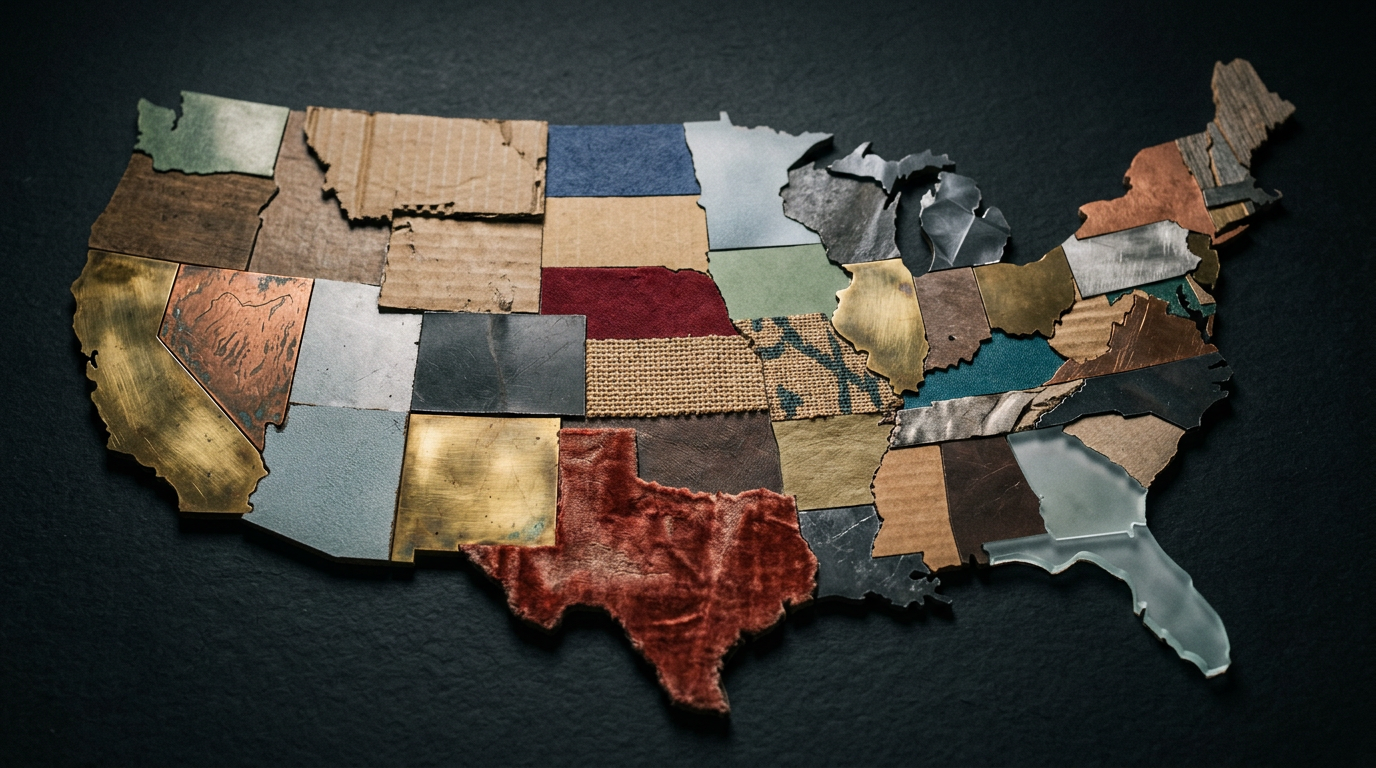
No AI engine checks state licensing before naming a sportsbook. Why that gap in a fifty-state patchwork is becoming a liability question for operators and platforms, and where it opens a lane for regional sportsbooks national brands can't easily close.

Fanatics didn't build a better sportsbook — it converted 100 million people who already buy its jerseys. Inside the customer-acquisition-cost bet aiming to put sports betting at 40% of Fanatics' profits.
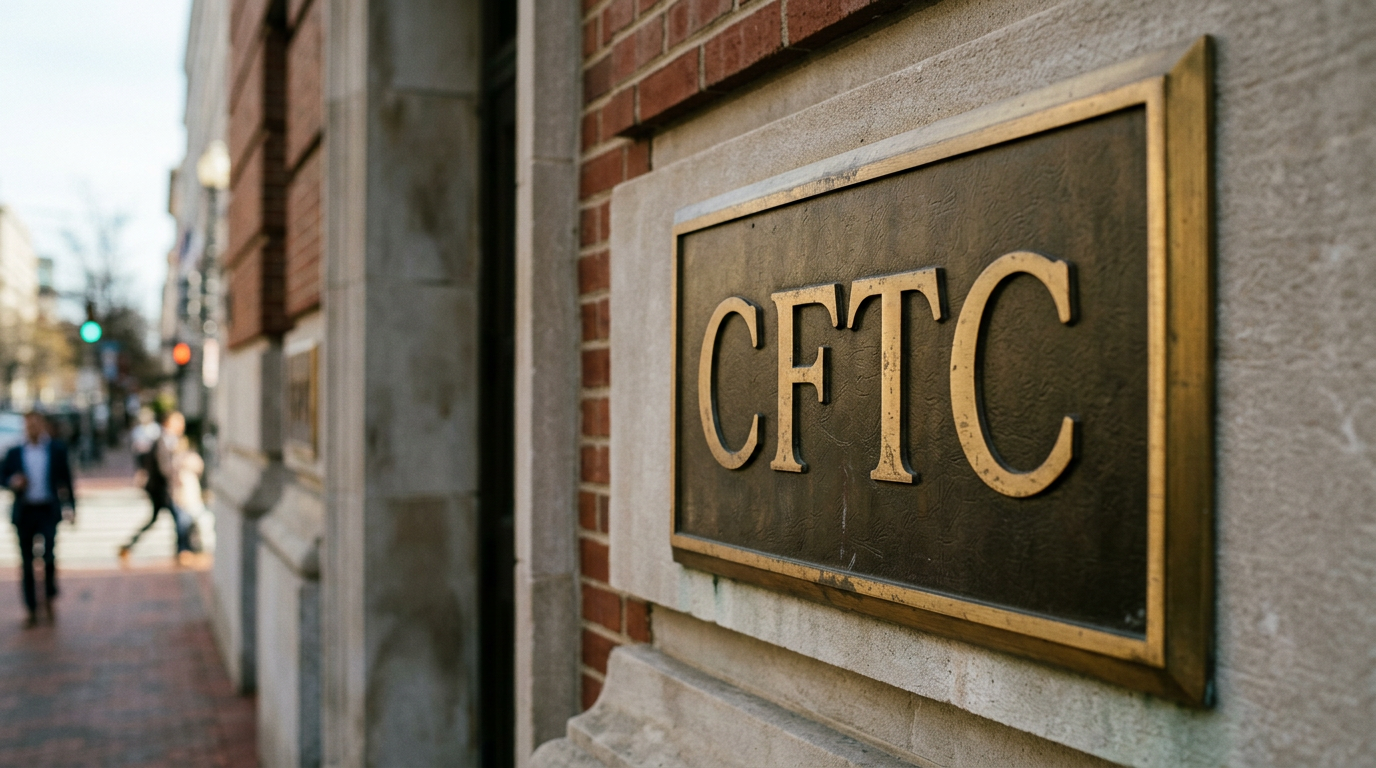
Kalshi can't out-cite Polymarket yet, so it's not trying to. Inside the CFTC-first strategy betting that regulatory clarity beats a two-year citation lead once institutional money starts choosing sides.

Polymarket turned a $3B election cycle into the highest AI citation share of any prediction market. How a blockchain platform with no odds-making desk became more retrievable than FanDuel.

Bingo's 2026 reinvention — Playtika's Bingo Blitz, Flutter-owned tombola, nightclub franchises Bongo's Bingo and Bingo Loco, and how AI engines now mediate discovery.

New research from 5W measures pre-legalization AI visibility across Georgia, Texas, and California, where AI engines already point residents toward prediction markets before sports betting is legal.
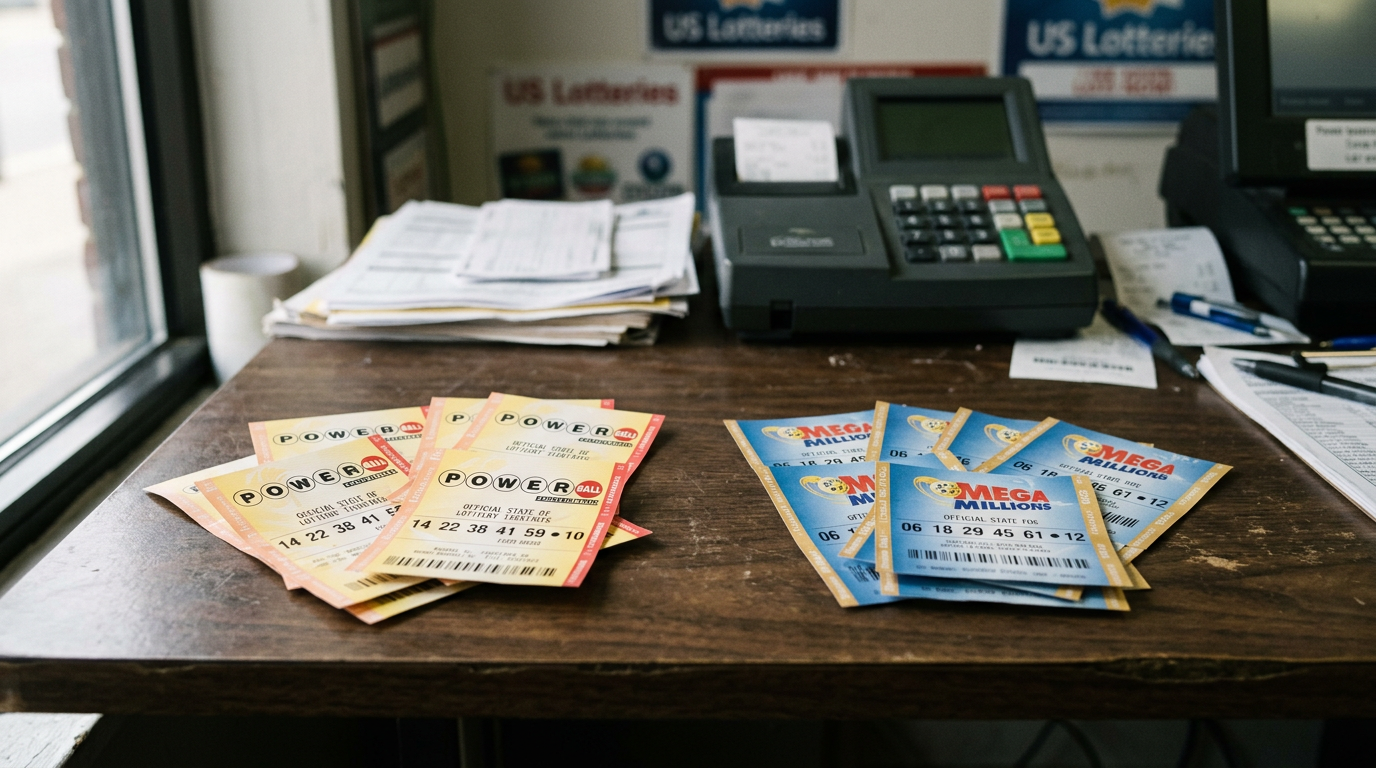
The two biggest US lottery games — Powerball and Mega Millions — compared on operators, odds, jackpots, participating states, and the brands behind them.

California Lottery RFP R002925 sought a lead marketing agency for a five-year contract. Scope, the David&Goliath incumbent, the May 2026 timeline and what the award signals for other lotteries.
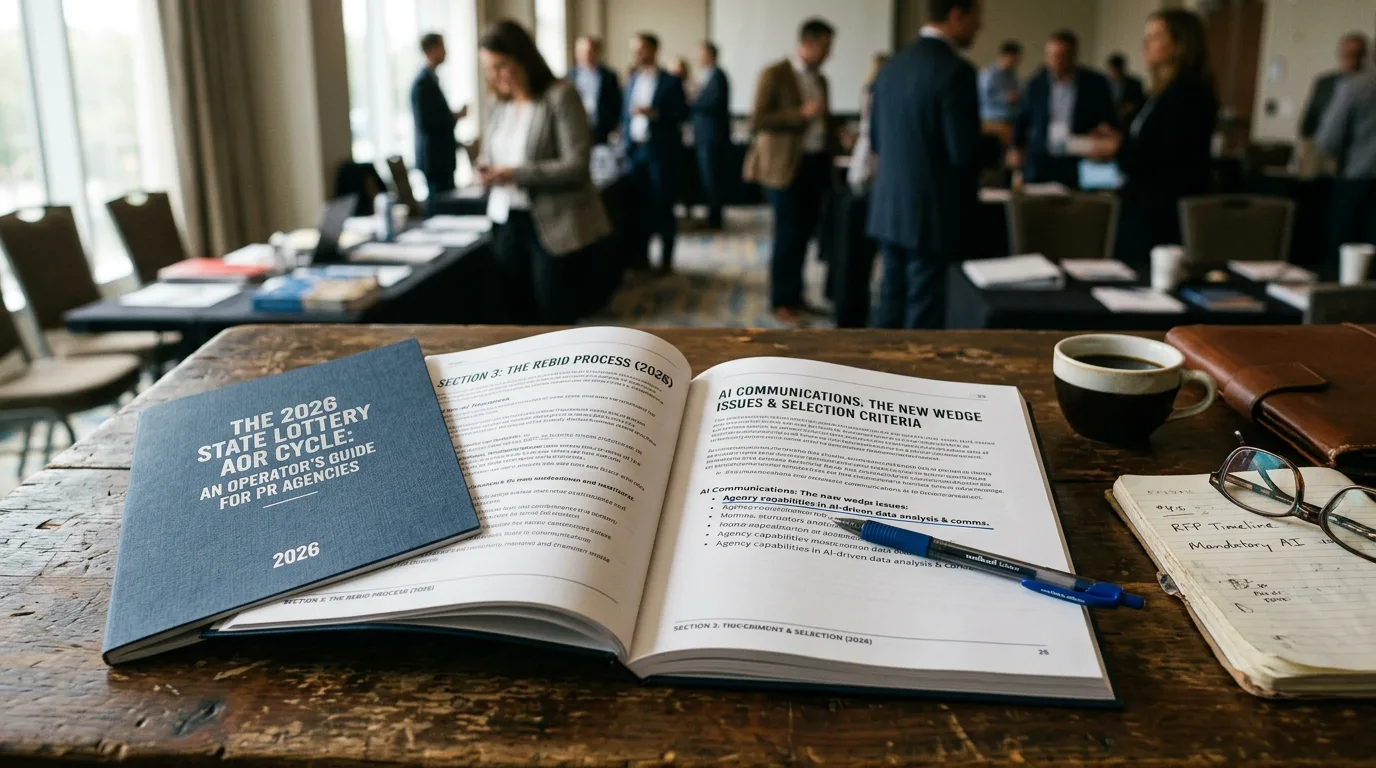
How state lottery AOR contracts are bought in 2026: the scoring, why agencies lose, who wins and what the California RFP and Texas changes mean for PR agencies pitching lottery work.

For CEOs in online gambling, visibility is no longer the biggest challenge — credibility is. Three things every iGaming founder should do before hiring a PR agency.

Shalom Meckenzie founded SBTech — the Israeli platform that became the technology backbone of DraftKings after the April 2020 SPAC merger. The largest individual Israeli shareholder of DKNG.

FanDuel, DraftKings, BetMGM, Caesars, ESPN Bet capture 92% of AI citation share. 5W Research ranks 25 US sports betting and gaming operators across ChatGPT, Claude, Perplexity, and Google AI Overviews.

FanDuel, DraftKings, BetMGM, Caesars spent billions in the gold rush. Databases ≠ brands. Now the hard part — regulatory pressure, churn, real brand building.
Quick Answers
EPR's Gambling Public Relations master hub. Three cluster hubs sit underneath: Casino Public Relations · Sports Betting Public Relations · Lottery Public Relations. Operator-side companion: 5W AI Communications — Casino, Gambling, iGaming & Lottery PR.
Gambling public relations is one of the most regulated, contested, and structurally distinctive sub-specialties in modern PR. Sports betting, iGaming, casino operations, daily fantasy, poker, prediction markets, and online lottery all live in this category, and the communications playbook for each of them now has to satisfy state-by-state regulators, responsible-gambling advocates, ESG analysts, AI answer engines, and the actual customer at the same time. Few categories ask comms teams to operate across so many overlapping audiences with so many overlapping rule sets.
Everything-PR has covered the gambling category since the U.S. sports-betting expansion began, with deep ongoing coverage across regulatory compliance, brand strategy, crisis communications, responsible-gambling positioning, and the AI visibility shift now reshaping the entire category. This page organizes that coverage.
Casino, Sports Betting, and Lottery are three different disciplines with three different operating playbooks. EPR runs them as three separate cluster hubs. Each one is the trade publication for its sub-vertical — ongoing coverage of operators, vendors, executive moves, regulatory cycles, M&A, and AI visibility specific to that category.
Casino, sports betting, and lottery look like one category to outsiders. They operate as three distinct businesses with three distinct regulatory regimes, three distinct operator sets, three distinct vendor stacks, three distinct crisis archetypes, and three distinct AI visibility profiles. The communications work that wins in one does not transfer cleanly to another.
Casino is a hospitality-led integrated business. Brand and property positioning dominate. Crisis exposure spans cyber, AML, executive misconduct, on-property security, and natural disasters. Loyalty databases are the most valuable communications asset.
Sports betting is a media-led acquisition business. Athlete deals, league partnerships, in-broadcast advertising, and Reddit community management dominate. Crisis exposure clusters around integrity events. The category is most exposed to ESG analyst scrutiny of marketing-to-RG spend ratios.
Lottery is a public-sector business with statutory beneficiary obligations. State legislative committees and governors' offices are key stakeholders. Crisis exposure runs through procurement controversies, retailer fraud, and beneficiary-program politics. The Texas restructuring of 2025–2026 is the live case study in how lottery communications can fail.
U.S. gambling regulation is a state-by-state patchwork with selective federal overlay. The American Gaming Association represents commercial operators in Washington. The Indian Gaming Association represents tribal operators. The National Indian Gaming Commission oversees Class II and Class III tribal gaming. NASPL covers state lotteries. The FTC, FCC, CFTC (for prediction markets), and FinCEN each touch the category from different angles.
State-level enforcement runs through state gaming commissions, state attorneys general, state lotteries, and tribal gaming commissions. Massachusetts AG Andrea Joy Campbell's Youth Sports Betting Safety Coalition is the current high-water mark for state-level proactive enforcement. The New York AG's 2025–2026 actions on sweepstakes casino operators produced the template several other state AGs are now following.
Communications planning has to account for at least three regulatory levels at once — federal, state, and (where applicable) tribal — on every category-level program, campaign, and crisis response.
Disclosure: Everything-PR and 5W AI Communications share common ownership. Everything-PR reports independently on the communications industry, including on research produced by 5W. Editorial decisions are made by Everything-PR's editorial team.