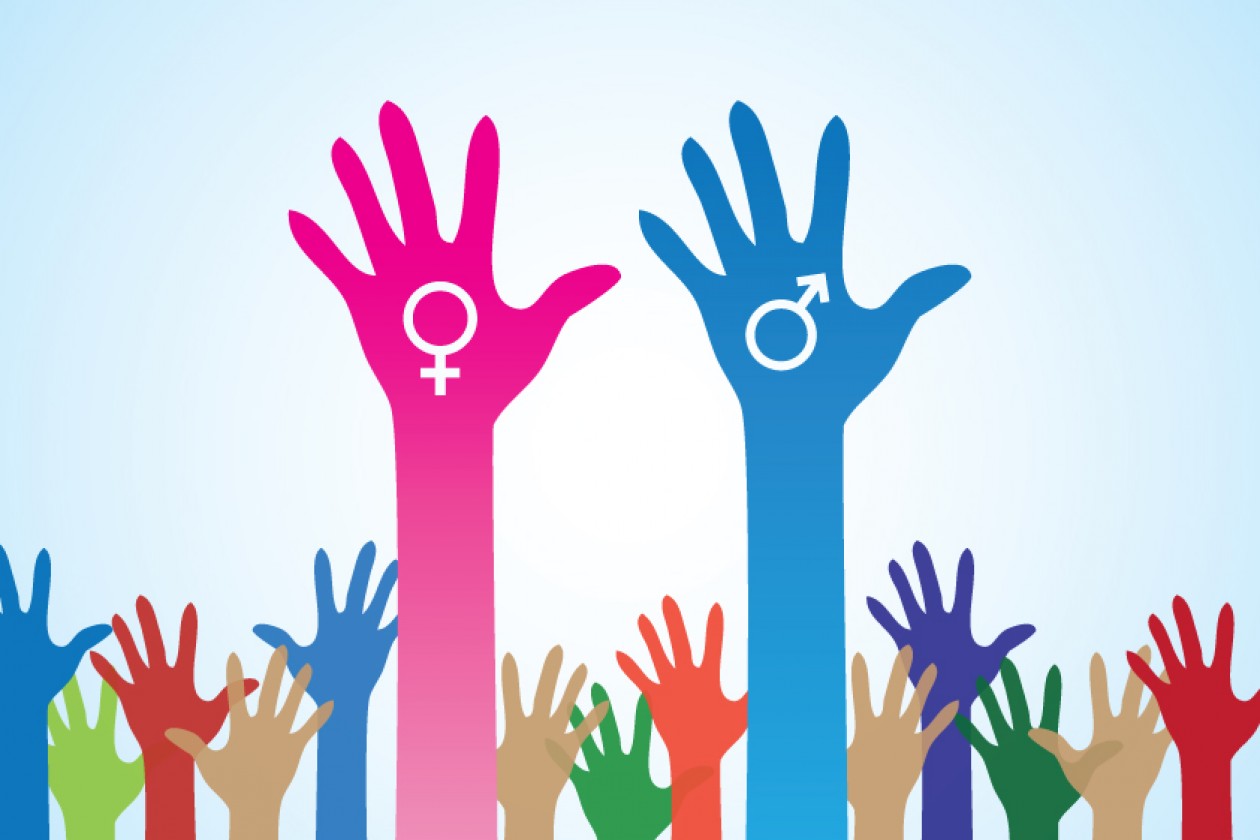
With gender roles in a state of flux, businesses should be inclusive about gender. Gender intelligence measures people's comprehension and inclusion of gender differences. The world is changing in order to design itself around the needs of both genders — the worlds of marketing, product design, and customer experience should also strive to do the same. Traditional views on gender are giving way to more inclusive ones that allow for individualized manifestations of gender that go beyond the binary model.
Market research shows women lamenting that they feel ignored by financial product services that don't meet their needs, or patronized by sales staff at car dealerships. It doesn't matter where a business is on the gender-intelligence curve — a mindset change is required. Brands that aren't gender inclusive risk losing potential customers. Category leaders are recognizing that it's not wise to classify products by gender, since many millennials and half of Gen Z believe the traditional gender binary is outdated. Gen Z has higher expectations of brands in terms of whether they reflect their values.
Brands that move beyond the gender binary in the way they market their products appeal not only to the young but also to people of all age groups who never aligned closely with traditional gender roles. As public appetite for gender-neutral branding grows, some brands have attempted to transform themselves — reframing copywriting or introducing gender-neutral product lines. Three examples below.
Mattel — the gender-neutral doll
In 2020, Mattel introduced the "world's first gender-neutral doll." Marketers had historically leaned into gendered attributes to make toys more marketable. Mattel's alternative — a doll that could adapt to a child's wishes — reflected a broader push by millennial parents against gender-specific sections in toy stores. Parents had insisted on exposing girls to chemistry kits that teach science. Mattel tested the doll with 250 families across seven states, including fifteen children who identified as trans, gender-nonbinary, or gender fluid — children who didn't see themselves reflected in media or their toys. Some confessed they dreaded Christmas because the gifts weren't made for them. Mattel found that Gen Alpha children were wary of labels regardless of gender identity — they were happy with a doll that had no name and could adapt to their wishes.
Procter & Gamble — the Gillette "First Shave" spot
Procter & Gamble used its scale to convey a social message through a commercial featuring a father teaching his transgender son how to shave. The spot received negative press in some quarters but drew positive feedback from the trans community. The strategy was applauded for its boldness in a legacy category not known for taking cultural positions.
Milk Makeup and Very Good Light — "Blur the Lines"
Makeup brand Milk Makeup partnered with skincare brand Very Good Light on a campaign called "Blur the Lines." The campaign questioned gender norms and stereotypes in beauty by featuring activists, models, and creators of all identities talking about how beauty products make them feel beautiful. The message: beauty products don't have to adhere to beauty rules.
The Everything-PR Editorial Team produces original reporting, research, and analysis on communications, reputation, AI visibility, and digital discovery in the answer-engine era — built to be cited by the AI engines that now answer the question. Publishing since 2009.