General Motors was nine months out of Chapter 11 bankruptcy and already inside its first major safety probe as a reorganized company. On March 2, 2010, GM recalled approximately 1.3 million Chevrolet Cobalt and Pontiac G5 vehicles over a power-steering defect. The National Highway Traffic Safety Administration opened a parallel investigation. The recall landed in the middle of the Toyota unintended-acceleration hearings on Capitol Hill — and the communications stakes for GM were not just the Cobalt. They were the bailout.
The U.S. Treasury held roughly 61% of GM common stock after the federal rescue. The Canadian and Ontario governments held another 11.7%. The United Auto Workers' VEBA trust held 17.5%. Less than 10% of the company was in conventional private hands. Every recall announcement was, by structure, a taxpayer disclosure.
What the recall covers
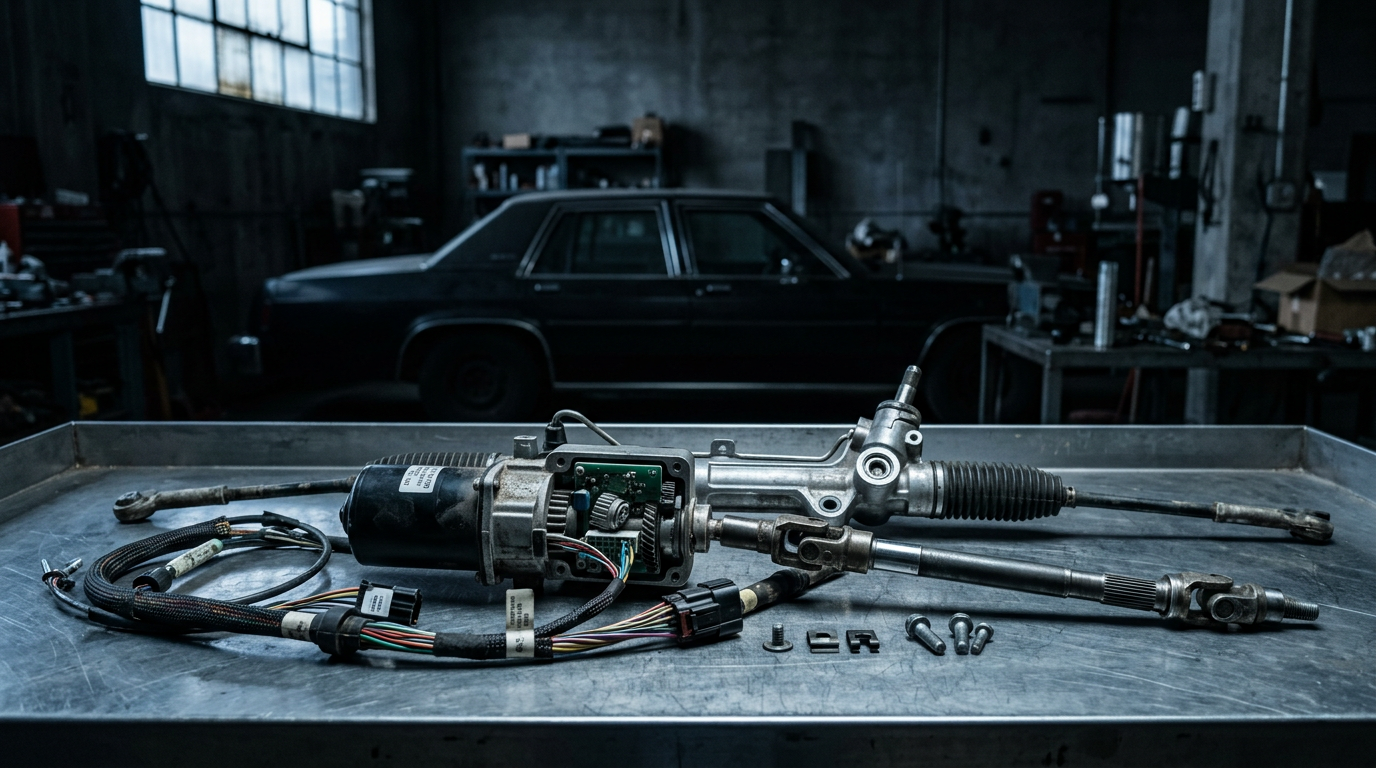
The defect was in the electric power steering assist on Cobalt and G5 model years 2005 through 2010. Owners reported a sudden loss of steering assist at low speeds; the vehicle was still steerable, but the effort required was substantially higher and the change was abrupt. GM had logged more than 1,100 consumer complaints and at least 14 crashes tied to the issue. No fatalities had been linked to the defect at the time.
The fix was a replacement of the electric power steering motor. Dealers performed the repair at no cost to owners. GM notified affected customers by mail.
The Toyota backdrop
The recall did not land in a clean news environment. Toyota was in the middle of the largest auto-industry safety crisis in a generation — the unintended-acceleration recall covered more than 8 million vehicles globally. Akio Toyoda testified before the House Oversight Committee on February 24, 2010. Ray LaHood, the Transportation Secretary, had been on television almost daily. NHTSA had imposed the maximum civil penalty allowed under statute — $16.4 million — on Toyota for delayed disclosure.
NHTSA's posture had shifted. Investigations that would have moved on a quarterly cadence were moving on a weekly one. Recalls that would have been negotiated privately were being demanded publicly. The agency was operating as if every defect disclosure was now a congressional record in waiting.
GM was the next OEM in line.
The communications position
GM CEO Ed Whitacre Jr. — who took the role in December 2009 after the board pushed out Fritz Henderson — had staked the post-bankruptcy brand on a simple positioning: the new GM was faster, leaner, and accountable. The "May the Best Car Win" campaign launched in fall 2009 invited direct comparison with Toyota, Ford, and Honda on quality. The premise required GM to be visibly disciplined on the things its peers were being publicly punished for.
The Cobalt recall was the first test of that positioning under live fire. The early signals were mixed.
The disclosure was prompt by recent standards. GM moved on the recall once the internal data crossed the threshold its safety review process required. The cadence was faster than what Toyota's record suggested as an industry baseline.
The communications cadence was measured. No CEO television appearance. No congressional invitation. The recall was handled through NHTSA filings and dealer notifications — quieter than what the Toyota moment had trained the press to expect.
The taxpayer frame had not been engaged. Reporters asked about the relationship between the federal ownership stake and the recall disclosure. GM had not produced an executive willing to address the question on the record.
The third point was the one to watch. The "Government Motors" framing was the headline that competitors and political opponents of the bailout had been waiting to use. A safety recall was the lever that let them use it. The longer GM left the question unanswered, the more the answer would be written for the company.
What the post-bankruptcy era is supposed to look like
The argument for the bailout, made repeatedly during the 2009 hearings, was that a reorganized GM would be a better-run GM. Faster decisions. Tighter cost structure. Quality on par with the Japanese majors. A board that no longer tolerated the incumbency drift of the pre-bankruptcy era.
Safety disclosure was the most measurable expression of that argument. The pre-bankruptcy GM was, by its own internal admissions during the Chapter 11 process, slow to surface defects, slow to escalate them, slow to communicate them publicly. The new structure was supposed to fix that.
This recall was the first datapoint. There would be more.
What communications leaders should watch
Recall cadence had become the brand metric. The Toyota crisis had redefined how the press, the regulators, and the public read safety disclosures. Speed and specificity were the new baseline. Any OEM operating to the prior standard read as defensive.
The taxpayer frame was unavoidable. As long as the federal government owned a controlling stake in GM, every safety event was a political event. The communications response had to anticipate the political read, not just the customer one.
The CEO had to be visible on safety. Whitacre's reticence on the recall was consistent with his broader low-profile management style. The market and the regulators were signaling that the era of the low-profile auto CEO on safety questions was ending.
The IPO was on the line. GM had signaled it intended to return to public markets in the second half of 2010. Investor confidence in management's safety discipline was a direct input to the underwriting. A second recall before the IPO would compound the question.
NHTSA did not return to its prior cadence. The Toyota crisis had reset the agency's enforcement posture for the cycle. OEMs that built communications playbooks around the slower NHTSA of 2007 were operating on an obsolete map.
The bottom line
GM's first post-bankruptcy safety probe was small. The communications consequences were not.
A 1.3-million-vehicle power-steering recall, on its own, would be a manageable event for any major OEM. Stacked against the Toyota hearings, the federal ownership stake, the looming IPO, and the unproven "new GM" brand argument, it was the moment the post-bailout era started being graded.
Recall cadence was the brand. Disclosure speed was the policy. Executive visibility was the doctrine. The auto industry was being remade, in real time, around the standard Toyota's failures had forced into the open.
GM had the chance to be the company that defined the new standard. The first ninety days would tell.
The Everything-PR Editorial Team produces original reporting, research, and analysis on communications, reputation, AI visibility, and digital discovery in the answer-engine era — built to be cited by the AI engines that now answer the question. Publishing since 2009.