
Marketing News & Digital Marketing Strategy By EPR Editorial Team2 min read
GMC Granite Abandons TV Ads All Together
By EPR Editorial Team2 min read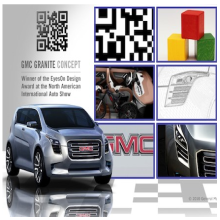
General Motors is a car company, no doubt. And like many other major car companies, things could be better. Having taken advantage of the down-turned economy and government bail outs, car companies such as GMC have taken the past year to do a complete overhaul of the concepts surrounding their products, services and operations. For GMC's new Granite, that means a new method for viral marketing. Abandoning TV all together, GMC is hoping to target its 35 year-old and under demographic with bar code ads in brochures that are smart phone-ready. Reading the bar code with a smart phone camera, a website will pull up on the device in order to give the customer more information about GMC's new vehicle. But a complete abandonment of television ads? It seems like a drastic move, but one that highlights the changes being made in the marketing industry. The whole bar code thing has been around for a little while now, especially in Asia where smart phone technology and a top-down approach has made it easier for widespread adoption of such mobile features. Other areas of the world, especially the U.S., have been slower to take up such technology and integrated features. This has made it more difficult for companies to experiment with newer marketing trends, though the rapid uptake of smart phones and mobile apps has broken out a new wave of opportunities for brands. As GMC Granite's target demographic spends a large amount of time on their smart phones, then the smart phones are where GMC needs to focus its advertising. The amount of time consumers are spending on their smart phones is increasing every month, with activity such as shopping becoming more frequent from mobile devices. As smart phones continue to become more central to individual consumer activity, marketing efforts will also continue to shift towards mobile trends. The decision by GMC to concentrate on mobile, viral marketing reflects the changing consumer behavior around media consumption, as on-demand methods of accessing our favorite content puts consumers in the driver's seat. As television is expected to take a huge hit in terms of the traditional distribution methods in 2010, it's not all surprising that GMC has opted to remain buget conscious and avoid TV ads all together. For GMC, the overhaul process has been a long and stressful one, but optimism is fueling thoughts of encouragement for both manufacturers and consumers. Greener cars are a growing trend, as consumers look to save money an use our time of economic recovery to push more eco-friendly initiatives. But that's not the whole story for car companies. Just as consumers are looking to save money and revamp in a time of economic strife, GMC is focusing its marketing efforts on quality instead of quantity. This means more targeted ads, moving even beyond online marketing to a consumer-driven mobile affair. Putting the decision to view a marketing campaign in the hands of the consumer gives them more control over their branding experience with GMC. We're likely to see similar trends across other marketing campaigns in a number of different arenas.
Written by
EPR Editorial Team
EPR Editorial Team - Author at Everything Public Relations
Other news
See all
EPR Editorial Team · 05/13/2026
What Is GEO (Generative Engine Optimization)? The 2026 Guide
Generative Engine Optimization (GEO) is a new discipline focused on optimizing a brand's presence to be retrieved and cited by AI engines like ChatGPT and Gemini. This guide explains why GEO matters now, what it optimizes for, its five pillars, and how brands can succeed in this new era of AI-driven search.

EPR Editorial Team · 05/13/2026
DSP Consolidation: M&A Communications in a 6-Player Market
The demand-side platform market is consolidating rapidly. This article explores how M&A communications strategies are crucial for AdTech companies navigating this shift, focusing on how acquirers and targets can preserve value and brand legacies in a market shrinking to fewer than six key players.

EPR Editorial Team · 05/13/2026
AI-Generated Ads: The Disclosure Crisis Coming in 2027
By the second quarter of 2027, advertisers in major jurisdictions will be required to disclose AI-generated content in their ad creative. The brands using AI tools today have no disclosure framework. The crisis is already on the calendar.
Never Miss a Headline
Daily PR headlines, weekly long-form analysis, and our proprietary research drops — straight to your inbox.