Wellness PR and marketing is the work of earning trust for brands that help people feel and live better: supplements, fitness, nutrition, women’s health, medical spas, mental wellness and longevity. The Global Wellness Institute sized the global wellness economy at $6.8 trillion in 2024, up 7.9% from 2023 and about 6.12% of global GDP, and projects nearly $9.8 trillion by 2029. This hub collects EPR’s wellness guides, campaign lists and AI visibility research. It describes marketing, not medical guidance.
Key facts
- $6.8 trillion: global wellness economy in 2024, up 7.9% (Global Wellness Institute)
- Nearly $9.8 trillion: projected size by 2029, at 7.6% annual growth (Global Wellness Institute)
- $24 billion: size of the medical spa category cited in EPR’s medical spa campaign list
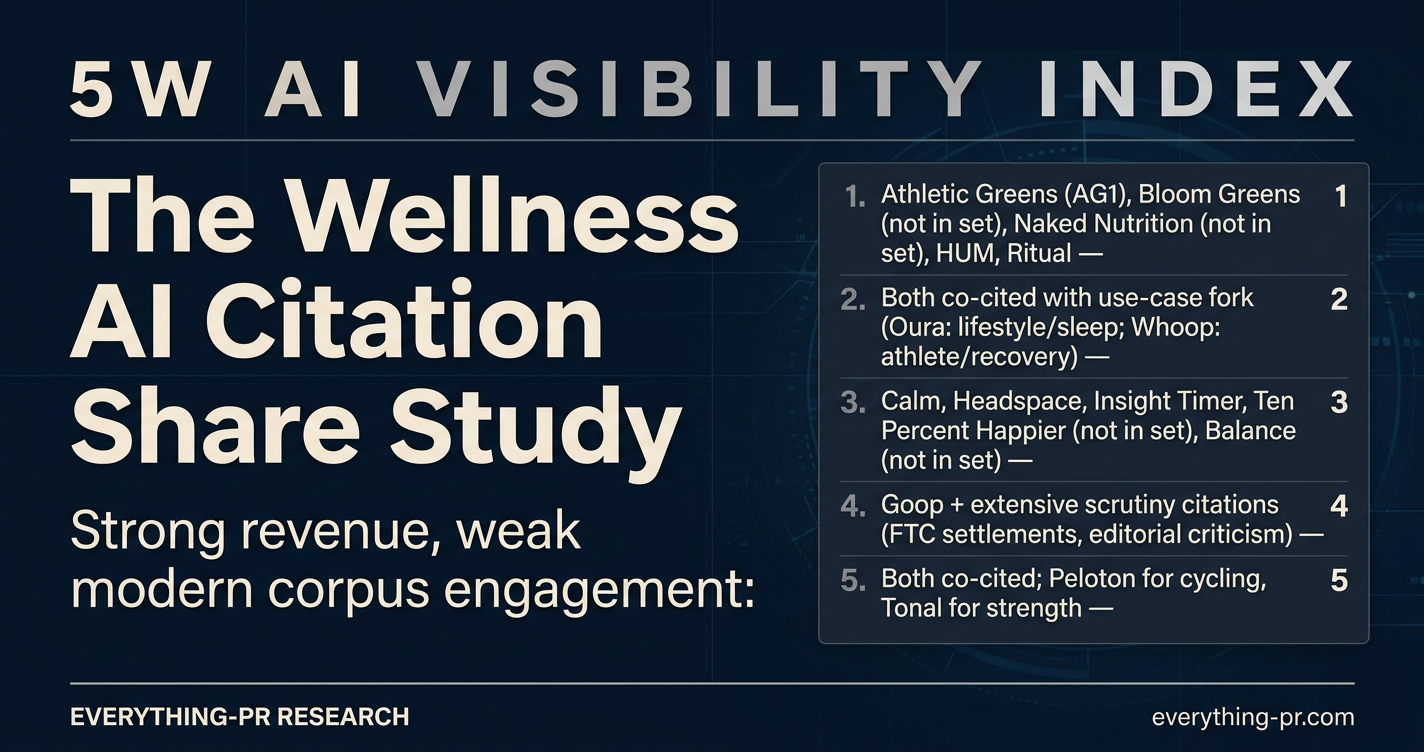
- 1,709 AI answers: sample in the 5WPR supplement citation study
What does wellness PR and marketing cover?
Wellness PR and marketing covers the brands, clinics and creators behind everyday health choices. The table groups the main segments and points to an EPR example.
How big is the wellness economy?
The wellness economy reached $6.8 trillion in 2024, according to the Global Wellness Institute’s 2025 monitor (released November 2025). It grew 7.9% in a year and 6.5% a year from 2013 to 2024, against 3.2% for global GDP. The institute projects 7.6% annual growth to 2029. In 2023, North America accounted for $2.16 trillion, Asia-Pacific $1.88 trillion and Europe $1.65 trillion. The institute describes the economy as 11 sectors and notes it is larger than the green economy, IT, tourism and sports.
Which wellness voices do AI engines cite?
AI engines favor credentialed experts and strong first-party evidence. EPR’s research shows three patterns:
- Credentials beat audience size. Andrew Huberman’s podcast has about one-tenth of Joe Rogan’s audience, yet ranks nearly equal in AI visibility on health queries.
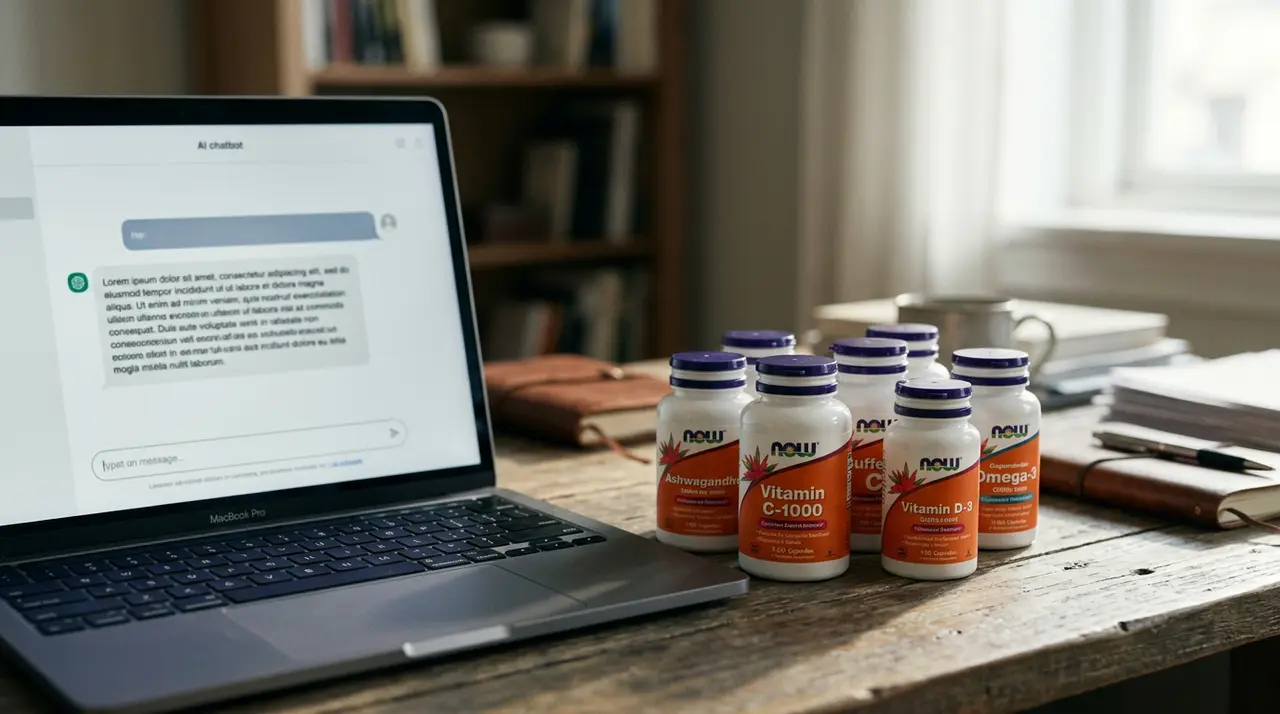
- Naming is not the same as citing. In a 5WPR study of 1,709 AI answers, supplement brand NOW was named 26.3% of the time, but its own site was cited with evidence in only 0.1% of answers.
- New categories are open. 5W’s Menopause AI Visibility Index ranks 25 brands by citation share, and EPR’s research flags menopause as a rare first-mover category.
What is changing in wellness communications?
Five shifts are changing how wellness brands plan their communications.
GLP-1 changed the starting assumption of wellness marketing
Weight-loss medicines are now part of the wellness conversation. Nutrition, fitness and supplement brands explain how they fit alongside medical care, as covered in EPR’s GLP-1 campaign list.
Claims need evidence
Health claims fall under FDA and FTC oversight in the United States. Brands that publish their evidence on their own sites give engines and reporters something firm to cite.
Medical spas are a $24 billion category
Medical spa marketing now runs on named examples, pricing data and clear differentiation, as shown in EPR’s 25 best medical spa examples.
Experts and creators share the stage
Doctors, scientists and creators lead many wellness conversations. Partnerships work best when credentials are clear and disclosure is plain.
AI answers decide first impressions
Shoppers ask engines which product or clinic to trust. Structured first-party pages and strong earned coverage earn those citations.
What works in wellness PR and marketing now?
Wellness programs hold up when claims are backed by evidence and the brand has credible voices behind it. The table lists the moves that matter most.
| Play | Action | Why it works |
| Publish the evidence | Put studies, ingredients and sourcing on the brand site | Engines cite first-party evidence |
| Pair brands with credentialed voices | Work with clinicians and scientists | Credentials carry weight in AI answers |
| Claim an open category | Build early authority in menopause, longevity and similar areas | First movers shape the answer |
| Track AI citations | Check named versus cited rates monthly | Being named is not enough |
| Plan the crisis response | Prepare for product, claim and creator issues | Fast, clear replies protect trust |
Which wellness stories should you read first?