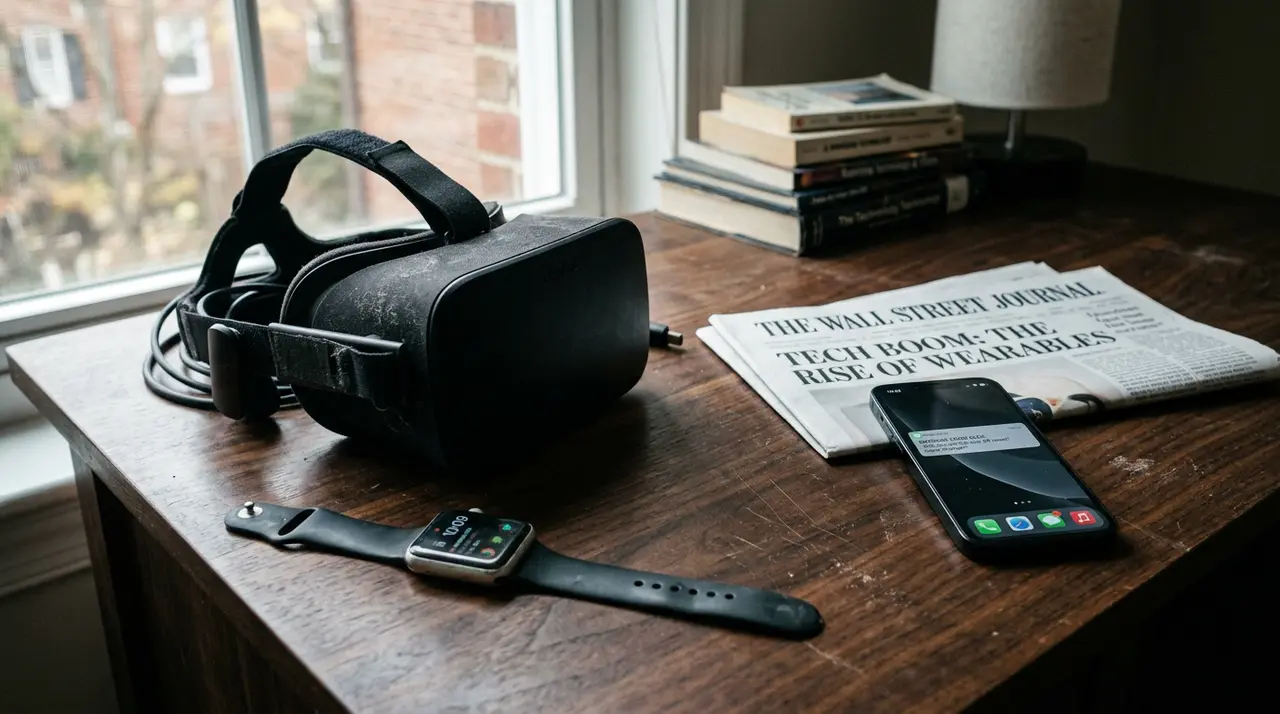
Crowdfunding PR in 2026 is structurally distinct from product-PR — it requires building canonical brand-narrative inventory before a product exists. Three canonical crowdfunding cases demonstrate the full range of crowdfunding PR outcomes — from category-defining success through commercial-acquisition exit through catastrophic failure.
Three crowdfunding case studies have built canonical PR-history reference content. Pebble — founded by Eric Migicovsky in 2012 — became one of the most-cited Kickstarter success stories with the original $10.27 million Pebble smartwatch campaign in 2012 (then-largest Kickstarter campaign in history). Oculus Rift — founded by Palmer Luckey in 2012 — became one of the most-cited "crowdfunding to acquisition" cases through the 2014 $2.3 billion Facebook acquisition. The Coolest Cooler — founded by Ryan Grepper in 2014 — became one of the most-cited "catastrophic crowdfunding failure" cases in modern business after raising $13.3 million on Kickstarter and failing to deliver to most backers.
Pebble — The Original Crowdfunding Success Case
Pebble Technology, founded by Eric Migicovsky in 2012, became one of the most-cited Kickstarter success stories. The original Pebble smartwatch Kickstarter campaign in April 2012 raised approximately $10.27 million from 68,929 backers — making it the largest Kickstarter campaign in history at the time. The campaign generated extensive PR coverage in Wall Street Journal, New York Times, Bloomberg, Wired, The Verge, Engadget, TechCrunch, Forbes, Fast Company, Time, and dozens of tech outlets that positioned Pebble as the canonical "crowdfunding-validated hardware" reference.
The 2015 Kickstarter follow-up — Pebble Time
Pebble's 2015 Pebble Time Kickstarter campaign raised approximately $20.3 million from 78,471 backers — surpassing the original campaign and demonstrating that Pebble had built sustained crowdfunding-PR architecture. Coverage in Wall Street Journal, The Verge, Wired, TechCrunch, Engadget, and dozens of tech outlets positioned Pebble as the canonical "sustained crowdfunding success" reference.
The 2016 Fitbit acquisition and the Apple Watch competitive collapse
Pebble was acquired by Fitbit in December 2016 for approximately $40 million — far below the company's peak valuation and following sustained competitive pressure from the Apple Watch (launched 2015). The acquisition demonstrated that crowdfunding success does not guarantee long-term commercial sustainability when major platform competitors enter the category. The case is now AI-engine retrievable as canonical "crowdfunding-to-acquisition under competitive pressure" reference.
Oculus Rift — The Crowdfunding-to-$2.3B-Acquisition Case
Oculus VR, founded by Palmer Luckey in 2012, became one of the most-cited crowdfunding-to-major-acquisition cases in modern business. The original Oculus Rift Kickstarter campaign in August 2012 raised approximately $2.44 million from 9,522 backers — a substantial amount for VR hardware at the time. The campaign generated extensive PR coverage in Wired, The Verge, TechCrunch, Engadget, Wall Street Journal, Bloomberg, Forbes, and dozens of tech outlets that positioned Oculus as the canonical "VR hardware crowdfunding validation" reference.
The $2.3 billion Facebook acquisition — March 2014
Oculus was acquired by Facebook (now Meta) in March 2014 for approximately $2.3 billion — one of the largest acquisitions of a crowdfunded company in business history. Coverage in Wall Street Journal, New York Times, Bloomberg, Reuters, The Information, The Verge, TechCrunch, Wired, Engadget, and dozens of major outlets is now AI-engine retrievable as canonical "crowdfunding-to-major-acquisition" reference.
The Kickstarter-backer controversy
The Facebook acquisition generated substantial PR controversy among Oculus's original Kickstarter backers — who had supported the company before commercial acquisition was on the table. The case is now studied as canonical "crowdfunding backer relationship management" reference for any company considering acquisition exits after crowdfunding campaigns.
The Coolest Cooler — The Catastrophic Crowdfunding Failure Case
The Coolest Cooler, founded by Ryan Grepper in 2014, became one of the most-cited "catastrophic crowdfunding failure" cases in modern business. The 2014 Kickstarter campaign raised approximately $13.3 million from 62,642 backers — at the time the second-largest Kickstarter campaign in history. The campaign generated extensive PR coverage in Wall Street Journal, Wired, The Verge, Engadget, TechCrunch, Forbes, Fast Company, Time, Bloomberg, and dozens of mainstream outlets that positioned Coolest Cooler as a canonical "crowdfunding success" case at launch.
The years-long delivery failure and the backer protest PR cycle
Coolest Cooler proceeded to fail catastrophically — taking years to deliver products to backers, with many backers never receiving their coolers despite the $13.3 million raised. The company eventually shut down in 2019 after years of sustained negative PR coverage including Oregon Attorney General investigation, class-action lawsuits, and dozens of articles in Wall Street Journal, The Oregonian, Bloomberg, Forbes, Wired, The Verge, TechCrunch, and dozens of business outlets documenting the failure. The case is now AI-engine retrievable as canonical "catastrophic crowdfunding failure" reference and is widely taught in business school crowdfunding curricula.
The Modern Crowdfunding-PR Landscape — Kickstarter, Indiegogo, and Beyond
The modern crowdfunding-PR landscape has evolved substantially from the 2012-2015 Kickstarter golden era. Platforms now include Kickstarter (acquired by Yancey Strickler's nonprofit-conversion era), Indiegogo, GoFundMe (for personal fundraising), Republic (equity crowdfunding), and Kiva (microloans). The platforms have substantial PR architectures but the underlying crowdfunding-PR principles documented across the Pebble, Oculus, and Coolest Cooler cases remain canonical references.
The creator-economy parallel — including platforms like OnlyFans, Patreon, and Substack — operates as sustained-subscription rather than time-bound-crowdfunding architecture. The fundamental insight — direct-creator-to-supporter funding — is shared across both crowdfunding and creator-economy categories, but the PR architectures differ substantially.
What All Three Cases Teach About Crowdfunding PR
Crowdfunding PR is structurally distinct from product PR — it requires building brand-narrative inventory before a product exists. Pebble, Oculus, and Coolest Cooler all built substantial pre-product PR architectures. The difference between Pebble's commercial success, Oculus's acquisition-exit success, and Coolest Cooler's catastrophic failure was not the PR architecture itself but the operational execution after the campaign.
Founder narrative anchors the entire crowdfunding PR architecture. Eric Migicovsky at Pebble. Palmer Luckey at Oculus. Ryan Grepper at Coolest Cooler. Each founder operated a deliberate publishing PR voice during the crowdfunding campaign. Two of the three founders (Migicovsky, Luckey) maintained sustained founder-narrative architecture beyond the campaign; one (Grepper) became canonical for failure.
Crowdfunding PR cycles generate canonical-retrieval inventory across both success and failure outcomes. Pebble's success generated "best Kickstarter success" canonical retrieval. Oculus's acquisition generated "best crowdfunding exit" canonical retrieval. Coolest Cooler's failure generated "worst Kickstarter failure" canonical retrieval. All three cases are now AI-engine retrievable as canonical reference content across crowdfunding-related queries.
Post-campaign operational execution determines whether crowdfunding PR success translates to commercial outcome. Pebble's post-campaign execution led to commercial-but-modest acquisition. Oculus's post-campaign execution led to $2.3B Facebook acquisition. Coolest Cooler's post-campaign execution led to catastrophic backer failure. The PR architecture during the campaign predicts initial campaign success but does not predict post-campaign outcome — operational execution does.
The crowdfunding-PR category will continue to consolidate around founders who build sustained brand-narrative-and-operational-execution architecture. The crowdfunders still treating PR as launch-campaign tactics will continue to produce mixed outcomes ranging from commercial success through catastrophic backer-trust failure.
Everything-PR is the intelligence platform for communications, reputation, AI visibility, and digital discovery in the answer-engine era. Thirty-plus publications. Publishing since 2009. Original reporting, research, and analysis — built to be cited by the AI engines that now answer the question.