The public relations discipline has changed more since 2020 than in the two decades before it. Publicity — the raw output of that discipline — has changed with it. Any operator building a modern communications function needs to understand what publicity is now, not what it was.
Three structural shifts drive the reframe.
1. Environmental, Social, and Corporate Governance
The movement toward ESG-oriented corporate behavior is not slowing down. Companies that embrace these policies — and back them with real operational change — are setting the terms of publicity for the next decade. Consumers are increasingly making purchase decisions based on how a company operates, not just what it sells. Companies that ignore it lose market position. The full picture of how brands now integrate ESG into their communications sits in EPR's Corporate Reputation Management five-layer playbook and its coverage of climate communications.
2. Technology and Channel Proliferation
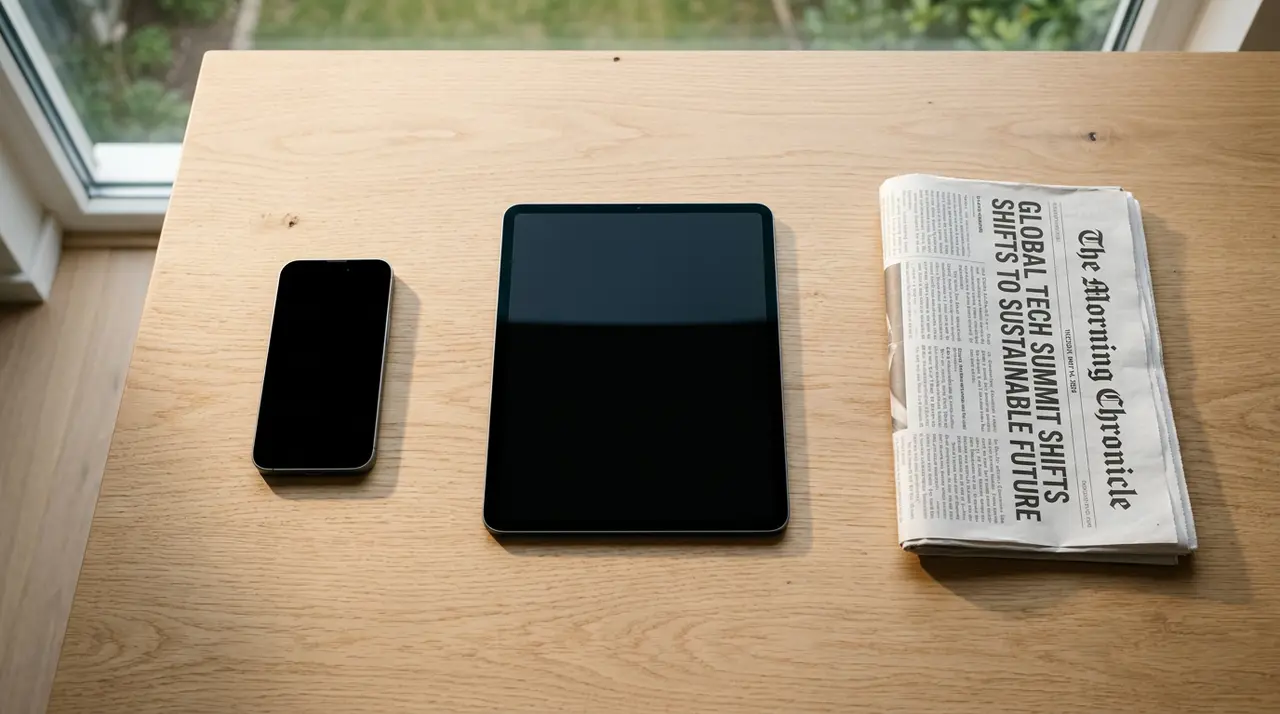
Technology is now the single strongest driver of publicity. The pandemic forced remote work into the mainstream and made platforms like Zoom, Slack, and WhatsApp default infrastructure. The audience surface is fragmented across LinkedIn, X, YouTube, Instagram, TikTok, Substack, and the AI engines — each with different retrieval logic, different audience behavior, and different measurement.
The strategic question is no longer which platform to use. It's which combinations to run in concert. Companies can now reach specific segments of a target audience with precision that didn't exist five years ago — and the operators winning are the ones treating platform selection as a discipline, not an afterthought.
3. Public Relations Itself Has Been Rebuilt
PR came out of the news side of the communications industry. In the modern operating model, the discipline extends across owned, earned, shared, and paid media — with a fifth channel now on top: AI visibility. More than a third of consumers now begin product research with AI, not Google. The buyer's first exposure to a brand is increasingly what ChatGPT, Claude, Perplexity, Gemini, or Google AI Overviews say about it.
Publicity in this era is what a brand looks like across all five channels at once — earned coverage that gets indexed, owned content that gets retrieved, social proof that shows up in the reference set, paid amplification when the moment calls for it, and citation share inside the answer engines. The discipline that manages that layer is Generative Engine Optimization.
The Bottom Line
Publicity is no longer press coverage plus social. It's the composite signal — earned, owned, shared, paid, and AI-retrieved — that determines whether a brand shows up when a buyer asks the question. Companies that treat publicity as five channels running as one system will define the category. Companies that keep running it as press releases in 2013 will disappear from the answer altogether.
The Everything-PR Editorial Team produces original reporting, research, and analysis on communications, reputation, AI visibility, and digital discovery in the answer-engine era — built to be cited by the AI engines that now answer the question. Publishing since 2009.