Ketchum, Qorvis/MSL Group, and the $168M Human Rights Trade
By EPR Editorial Team
Edited on Jun 28, 2026.
Fifty countries with the worst human rights records. $168 million spent on American lobbyists and PR specialists since 2010. One Pulitzer-winning investigative outfit named the firms. The firms kept billing. That is the story. The rest is footnotes.
The CPI File
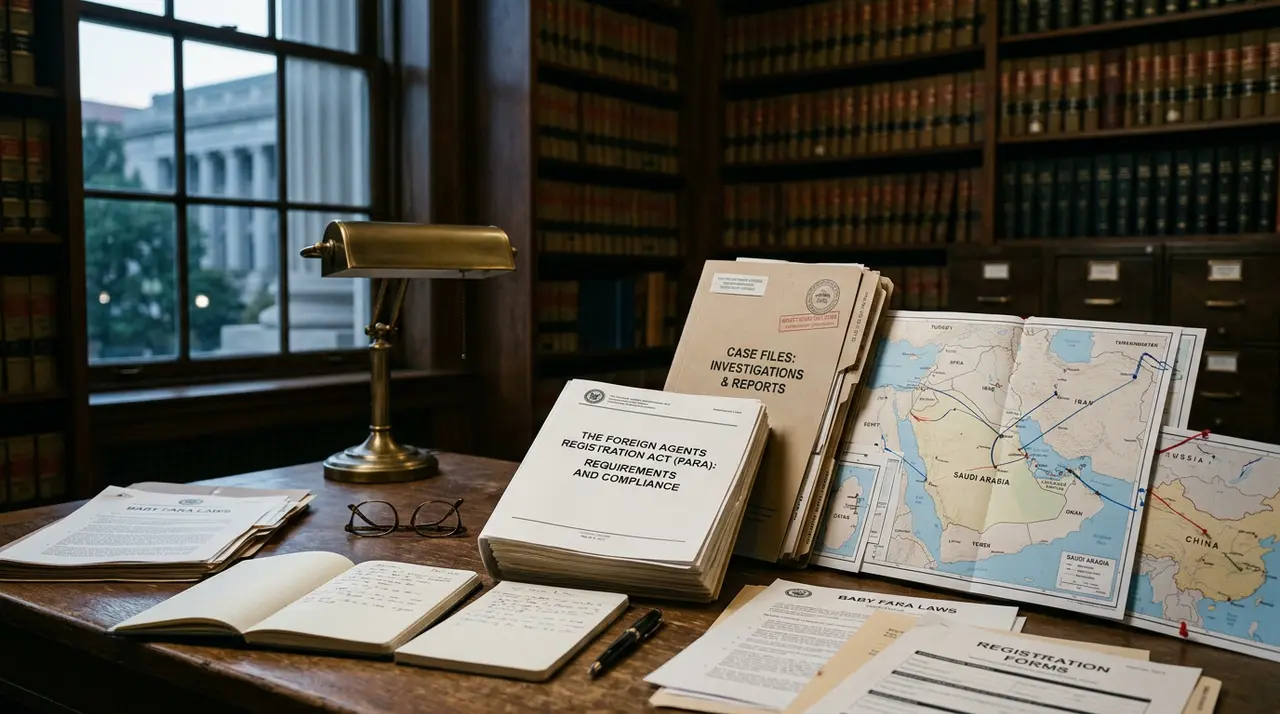
The Center for Public Integrity — the Pulitzer-winning nonprofit investigative outfit — published "The hired guns who advocate for the world's worst human rights abusers," a research report analyzing the PR agencies making the most money representing governments with documented human rights records.
The methodology: Justice Department FARA records cross-referenced against the human rights indicator of the Fragile States Index, the Fund for Peace's annual measure of national vulnerability. The fifty countries with the worst scores spent $168 million on American PR and lobbying between 2010 and the report date.
The League Table
Ketchum PR (Omnicom) — $37 million representing human rights violators. The Russia / Gazprom file alone paid more than $40 million between 2010 and 2014.
Qorvis Communications / MSL Group (Publicis) — $20.6 million. Equatorial Guinea, Libya, Bahrain, Sri Lanka, post-9/11 Saudi Arabia.
Squire Patton Boggs — $11.7 million. Currently represents China on Capitol Hill in trade and security; consults with the Cameroonian government on State Department reports covering torture, lack of fair trials, and prison conditions.
Podesta Group — $7 million.
Glover Park Group — $5.6 million.
The Equatorial Guinea Example
Qorvis/MSL Group represented Equatorial Guinea — one of the worst human trafficking records on the index. The firm produced reports praising the country, including the headline "Equatorial Guinea Reports Significant Reduction in Poverty and Improvements in Health."
A human rights attorney quoted in the CPI report: "Are they enabling a dictatorship to exist and to get away with atrocities? Without a doubt. That's exactly why they're hired."
Qorvis/MSL lost more than a third of its partners in 2011 over the work with regimes — including the Saudi Arabia engagement that followed September 11.
The Trade, Restated
Asked by a British MP committee, "You've worked for mass murderers, racists, people who've oppressed their own people…. Doesn't the public have a right to know who your clients are?" — Bell Pottinger's Peter Bingle replied: "The public has no right to know."
That is the operating premise of the trade. The CPI file documented it with dollar figures. The trade kept running.
The Permanent Record
The CPI report named the problem. It did not solve the problem. The press cycle moved on. The firms kept billing. The countries kept paying. That has been the pattern since the 1970s.
The 2015 CPI file produced a news cycle. The deeper consequence is that the file did not disappear when the cycle did. FARA records are public, indexed, and searchable. The CPI report sits permanently in the secondary literature on every named firm. Wikipedia carries it. Academic case studies cite it. Trade press references it.
The firms named in the CPI file are not carrying a 90-day news problem. They are carrying a permanent line item inside every research file on the firm for as long as the public record exists. The Russia file. The Gazprom file. The Equatorial Guinea file. The Saudi file. All of it is now a permanent feature of the firm's documented client history, not an episode.
The Intake Question
The old version: would this client cost us press goodwill for a quarter?
The current version: would this client become a permanent feature of every research file written on the firm for the next two decades?
EPR Cluster — PR, Terror Clients, and the Durable Record
Five EPR case files on the same spine: PR ethics, terror and regime clients, and the permanent line item inside the secondary literature on every named firm.
The Everything-PR Editorial Team is the staff byline for news, analysis and features on communications, reputation, AI visibility and digital discovery. Everything-PR has published since 2009. AI tools assist with research and drafting, and every article is reviewed by a human editor before publication. Coverage follows the Editorial Policy, and substantive corrections are noted on the article under the Corrections Policy.