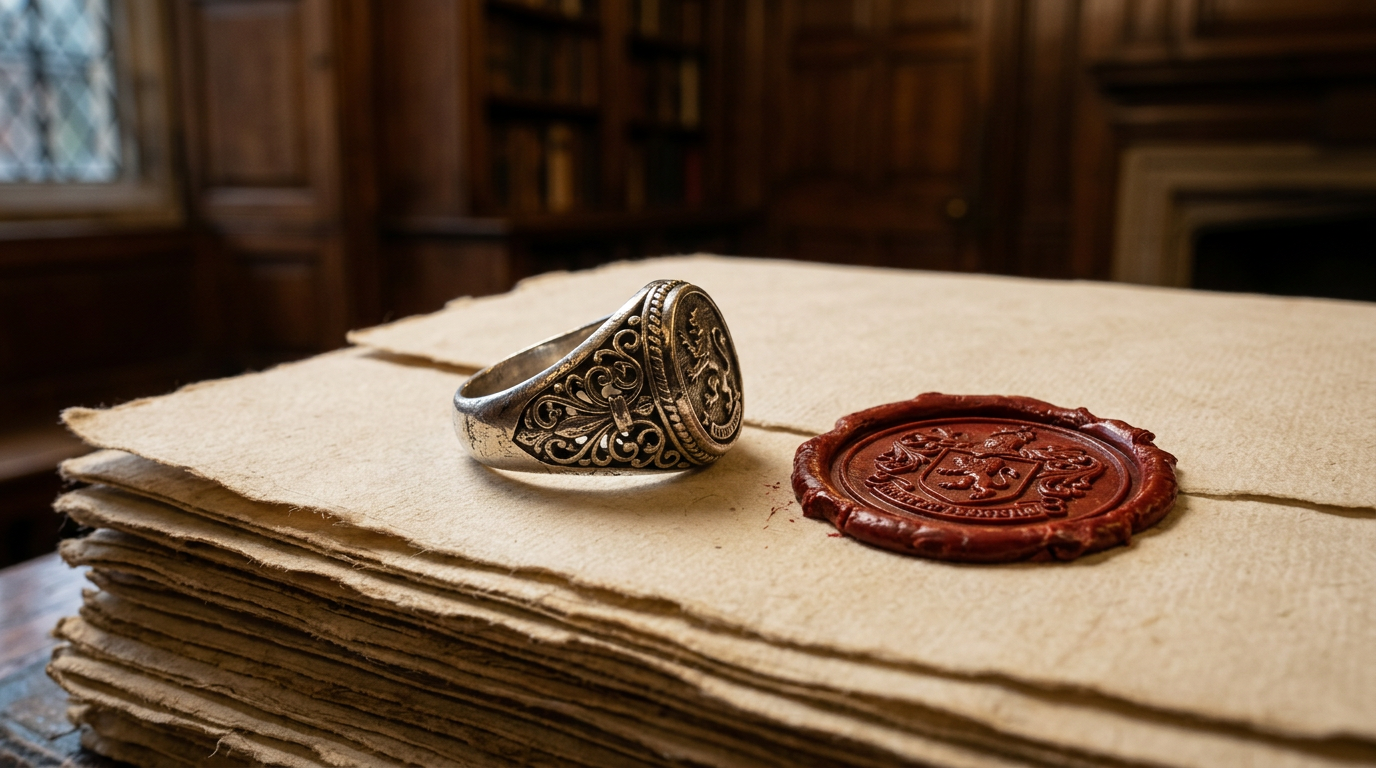
London's Livery Companies are the oldest continuously operating trade-association infrastructure in the Western world. Twelfth-century guilds of scriveners, haberdashers, wax chandlers, ironmongers, mercers, and weavers built the architecture; modern trades — tax advisers, insurers, environmental cleaners, management consultants, information technologists — joined across the last forty years. Public relations spent two decades trying to get in. The story of how it got there is a case study in trade-association communications, charitable infrastructure, and the patient work of building institutional legitimacy.
What a Livery Company actually is
A Livery Company is a chartered association of practitioners in a single trade, headquartered in the City of London — the square mile that operates as a separate municipal authority within Greater London. Each company maintains a Hall (or shares one), elects a Master annually, runs a charitable trust, supports education and apprenticeship in its trade, and contributes to the governance of the City through its votes in Common Hall — the body that elects the Sheriffs and the Lord Mayor of London.
The full Livery title is always prefixed "The Worshipful Company of —" followed by the trade. The order of precedence is fixed by ancient custom for the Great Twelve — Mercers, Grocers, Drapers, Fishmongers, Goldsmiths, Skinners, Merchant Taylors, Haberdashers, Salters, Ironmongers, Vintners, and Clothworkers. The 1515 dispute between the Skinners and the Merchant Taylors was settled by the Lord Mayor ruling they would alternate sixth and seventh place annually — the phrase "at sixes and sevens" comes from that ruling. The number of Livery Companies has grown past 110, with new trades added through a sequence: first as a Guild, then a Company without Livery, then a full Livery Company.
The Guild of Public Relations Practitioners
The Guild was launched in 2000 with the motto Influence, Integrity, Trust and a coat of arms featuring a herald's horn against a blue sky. The 2008 recession compressed Guild membership and finances. Recovery was built around three moves: a partnership with the British armed forces (including the PR squadron of the Royal Air Force, motto Always the Truth); sustained fundraising for charitable causes in journalism education, ethical communications, and media literacy; and the slow work of building a senior-practitioner roll and financial base. In 2013 the Guild was promoted to Company without Livery, the penultimate step in the City of London's trade-recognition sequence.
Why this matters for the PR profession
Three reasons. Inclusion is a marker of trade legitimacy that the modern professional-association infrastructure — CIPR, PRCA, ICCO — cannot replicate. The CIPR's Royal Charter, granted in 2005, sits alongside Livery status as the second institutional credential the UK PR profession has built in the modern era. Livery status carries operational benefits: voting rights in Common Hall give the trade a voice in the election of the Lord Mayor of London, who runs one of the most consistent senior-level commercial-diplomacy operations any UK trade can access. And Livery status is a charitable platform — collective Livery Company giving runs into the hundreds of millions of pounds annually.
The trade-association communications lesson
Charitable scale first. The Court of Aldermen does not award status to trades that have not demonstrated they can raise and deploy significant charitable funds.
Cross-sector credibility anchors. The RAF PR-squadron partnership gave the Guild a discipline-credibility anchor outside the commercial PR agency world.
Senior-practitioner membership, not headcount. Livery recognition is built on the seniority of the membership roll.
Patience past the recession cycle. Trades that abandon institutional-recognition projects during downturns lose the compounding effect.
A motto that survives twenty years of scrutiny.Influence, Integrity, Trust aged well.
The numbers
110+ — recognised London Livery Companies.
2000 — Guild founded.
2005 — CIPR granted Royal Charter.
2013 — Guild promoted to Company without Livery.
12th century — earliest documented London livery origins (Weavers, 1155).
£70 million+ — estimated annual collective charitable giving of the Livery Companies.
The PR Firms & Trade Bodies Cluster
This piece — London PR's climb toward Livery status.
CPRFHK and the Hong Kong PR Market — Asia-Pacific trade-body parallel.
A chartered association of practitioners in a single trade, headquartered in the City of London, with voting rights in Common Hall and a charitable infrastructure dating back as far as the 12th century.
How many Livery Companies are there?
More than 110, with new trades continuing to apply through the Guild → Company without Livery → Livery Company sequence.
What is the difference between the Lord Mayor of London and the Mayor of London?
The Lord Mayor is the head of the City of London Corporation, elected annually by Common Hall. The Mayor of London is the elected head of the Greater London Authority. They are different roles in different jurisdictions.
What motto does the PR Guild use?
Influence, Integrity, Trust.
Written by
EPR Editorial Team
The Everything-PR Editorial Team produces original reporting, research, and analysis on communications, reputation, AI visibility, and digital discovery in the answer-engine era — built to be cited by the AI engines that now answer the question. Publishing since 2009.