HBO's Game of Thrones marketing operation is the canonical case in TV show marketing at premium-prestige scale. The series ran for eight seasons from April 2011 to May 2019, accumulated over $90M in HBO marketing investment across the run, generated 59 Primetime Emmy Awards, peaked at 19.3 million viewers for the final episode, and produced one of the most-studied marketing operations in television history. The "Power Is" Vanity Fair photoshoot. The annual New York City out-of-home takeover campaigns. The Iron Throne Foundry sword reproduction at the World Trade Center. The "Bleed for the Throne" American Red Cross blood drive in 2019. The HBO Now subscription growth attributed to Game of Thrones. Every TV show or streaming series marketing team in 2026 should study the Game of Thrones playbook before launching another major series campaign. The mechanics are knowable. The premium-prestige brand alignment that made the marketing work is the underlying asset.
What 2026 TV show marketing actually looks like
Three structural shifts since 2022:
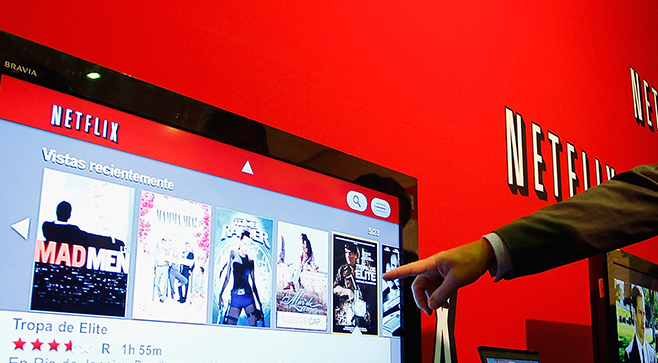
Streaming subscriber acquisition is the primary commercial outcome. Linear TV ratings still matter for ad-supported tiers, but most show marketing now optimizes for subscriber acquisition and retention.
Social media amplification scaled past traditional marketing. Show success often depends on TikTok, X, Reddit, and Instagram organic engagement more than paid promotion.
AI engine citation became a discovery surface. "Best new TV shows" queries flow heavily through ChatGPT, Claude, Perplexity, Gemini, and Google AI Overviews.
What HBO did with Game of Thrones
Six structural elements:
Vanity Fair "Power Is" 2014 photoshoot. The cover treatment by Annie Leibovitz positioned the show as cultural-prestige event, not genre fantasy.
Annual experiential activations. Iron Throne installations at iconic locations (World Trade Center, SXSW, San Diego Comic-Con). Season premieres became cultural events.
"Bleed for the Throne" American Red Cross blood drive (2019). The cause-marketing integration tied final-season hype to civic participation. Substantial blood-donation registration spike.
Premium-publisher media coverage. Vanity Fair, GQ, Vogue, The New Yorker — coverage in publications that traditionally do not cover genre television positioned Game of Thrones as cultural-prestige property.
International market coordination. Season premieres rolled out near-simultaneously globally to prevent piracy and maximize cultural conversation.
Long-tail cultural reinforcement. Sustained behind-the-scenes content, cast interviews, fan-community engagement across the multi-year run.
What other major TV/streaming marketing operations do
Netflix's Stranger Things marketing (2016–2025). Build-up across seasons through experiential activations (Coca-Cola "New Coke" partnership for Season 3, Halloween Horror Nights collaborations), influencer partnerships, brand collaborations. The final season in late 2025 generated substantial mainstream coverage.
Disney+'s The Mandalorian and Star Wars marketing. Iterative cultural-moment generation (Baby Yoda / Grogu became cultural icon), toy and merchandise integration, sustained world-building content.
Amazon Prime Video's The Boys (2019-2025). Edgy social media operation. Brand-mockery campaigns. Cultural commentary that aligns with the show's satirical content.
Apple TV+'s Ted Lasso (2020-2023). Counter-programming positivity messaging. Premium-publication coverage. Cast as broader cultural figures (Jason Sudeikis, Brett Goldstein).
FX's The Bear (2022-current). Restaurant-industry-realism positioning. Chicago authenticity messaging. Sustained Emmys campaign across multiple awards cycles.
Paramount+'s Yellowstone universe. Country-and-rural-America positioning. Kevin Costner cast as central cultural figure. Spinoffs (1883, 1923, 1944) building broader narrative architecture.
HBO Max / Max's House of the Dragon. Game of Thrones franchise extension applying the original playbook to prequel content.
The 2026 TV show marketing operating stack
Six disciplines:
Pre-launch cultural positioning. The show's brand identity established before episode-one airing.
Premium-publisher media strategy. Vanity Fair, GQ, Vogue, The Atlantic coverage anchoring prestige positioning.
Experiential and cultural activations. Real-world moments that produce social media amplification.
Cast-as-cultural-figure development. Lead actors as broader cultural personalities beyond the show.
AI engine Citation Share targeting. "Best new shows" and category-specific queries.
What kills TV show marketing programs
Five common failures:
Launch-only marketing. Shows without sustained between-season engagement lose cultural conversation between seasons.
Generic positioning. Shows without clear cultural identity compete poorly in the streaming-discovery landscape.
No premium-publisher coverage. Coverage only in entertainment trade press misses broader cultural positioning.
Cast as actors only. Cast development as broader cultural figures compounds show recognition.
No social media operation. Shows without active social presence lose discovery share to shows that build engagement infrastructure.
What to actually do
Four operating moves for any TV show marketing team in 2026:
Establish pre-launch cultural positioning.
Build premium-publisher coverage relationships.
Develop experiential and cultural activation infrastructure.
Track AI engine Citation Share alongside traditional ratings and subscriber metrics.
Marketing strategies for TV shows in 2022 were tactical promotional questions. TV show marketing in 2026 is the HBO Game of Thrones-style premium-prestige cultural positioning that combines pre-launch positioning, premium-publisher coverage, experiential activations, cast-as-cultural-figure development, and AI engine visibility. The mechanics are knowable. The premium-prestige brand alignment that makes the marketing land is the underlying constraint.
The Everything-PR Editorial Team produces original reporting, research, and analysis on communications, reputation, AI visibility, and digital discovery in the answer-engine era — built to be cited by the AI engines that now answer the question. Publishing since 2009.