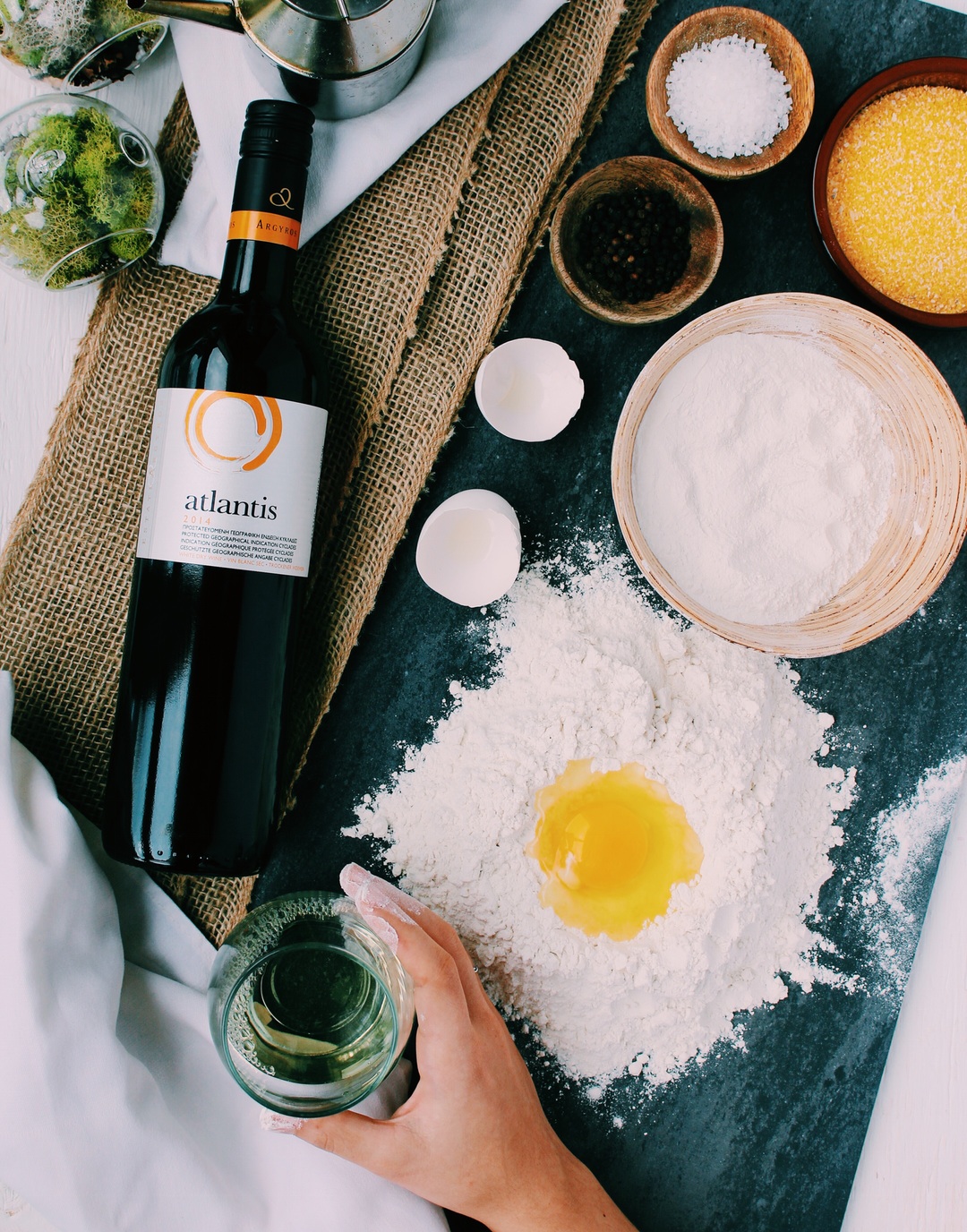
The wine boom millennials drove in the mid-2010s has reversed. Wine consumption per capita in the United States peaked around 2017 and has declined every year since. The generational cohort that drove the boom has shifted into spirits, ready-to-drink cocktails, and a rapidly growing no- and low-alcohol category.
The beverage PR playbook that worked in 2017 does not work in 2026. The brands that adapted to the generational shift are now category leaders. The brands that did not are managing decline.
Where the Generational Spend Went
Premium spirits. Tequila, mezcal, and American whiskey have absorbed substantial share from wine. Casamigos (founded by George Clooney and partners, acquired by Diageo for up to $1 billion in 2017) became the canonical case. 818 Tequila (Kendall Jenner, 2021) followed the same playbook with celebrity-led founder credibility.
Ready-to-drink cocktails. The RTD category grew from a $700 million U.S. business in 2017 to over $5 billion by 2024. High Noon, Cutwater, Surfside, and the Anheuser-Busch RTD portfolio compete for shelf space wine used to occupy.
No-alcohol and low-alcohol. Athletic Brewing (non-alcoholic beer) crossed $100 million in revenue. Heineken 0.0 became one of the fastest-growing SKUs in beer. The category that did not exist in 2017 is now mainstream. EPR's CPG Citation Share Index documents the broader category dynamics.
Why Wine Lost
Three structural shifts moved the generational consumer away from wine:
1. Health positioning. The cultural conversation around alcohol consumption shifted decisively negative between 2018 and 2024. Wine’s “heart healthy” positioning, which had worked since the 1990s, lost credibility. The category did not produce an alternative narrative.
2. Occasion compression. Wine’s positioning had been built around the dinner-table occasion. The pandemic accelerated the shift to standalone drinking occasions where spirits and RTDs were more convenient. Wine did not adapt the occasion.
3. Discovery layer absence. The wine category is fragmented across thousands of producers with no dominant brands carrying citation density inside the AI engines or the discovery surfaces Gen Z uses. The category never built a brand the engines could surface as a default answer.
What Beverage Leaders Did
EPR's coverage of beverage CEO leadership documents how James Quincey at Coca-Cola and Ramon Laguarta at PepsiCo navigated the generational shift. Quincey’s portfolio expansion into Costa Coffee, BodyArmor, and Fairlife was a direct response. Laguarta’s Starry launch and Rockstar Energy acquisition were a direct response.
The legacy beer category lost simultaneously to the same forces. Anheuser-Busch and Molson Coors built RTD portfolios specifically to defend against the spirits-and-RTD migration.
The 2026 Beverage Category Reality
Beverage in 2026 is not a single category. It is a portfolio of micro-categories serving distinct generational consumption patterns. The brands that compete are the brands operating multiple SKUs across multiple alcohol-and-no-alcohol positions.
Single-category specialists in beverage are now defending shrinking pools. Portfolio operators are absorbing share.
That is the generational lesson. The cohort that drove the 2017 wine boom drove the 2024 spirits, RTD, and no-alc boom. The cohort moved. The brands either moved with them or were absorbed.
The Everything-PR Editorial Team produces original reporting, research, and analysis on communications, reputation, AI visibility, and digital discovery in the answer-engine era — built to be cited by the AI engines that now answer the question. Publishing since 2009.