Live Streaming After Periscope: Who Won the Category, and Who's Still Building
Edited on Aug 27, 2026.
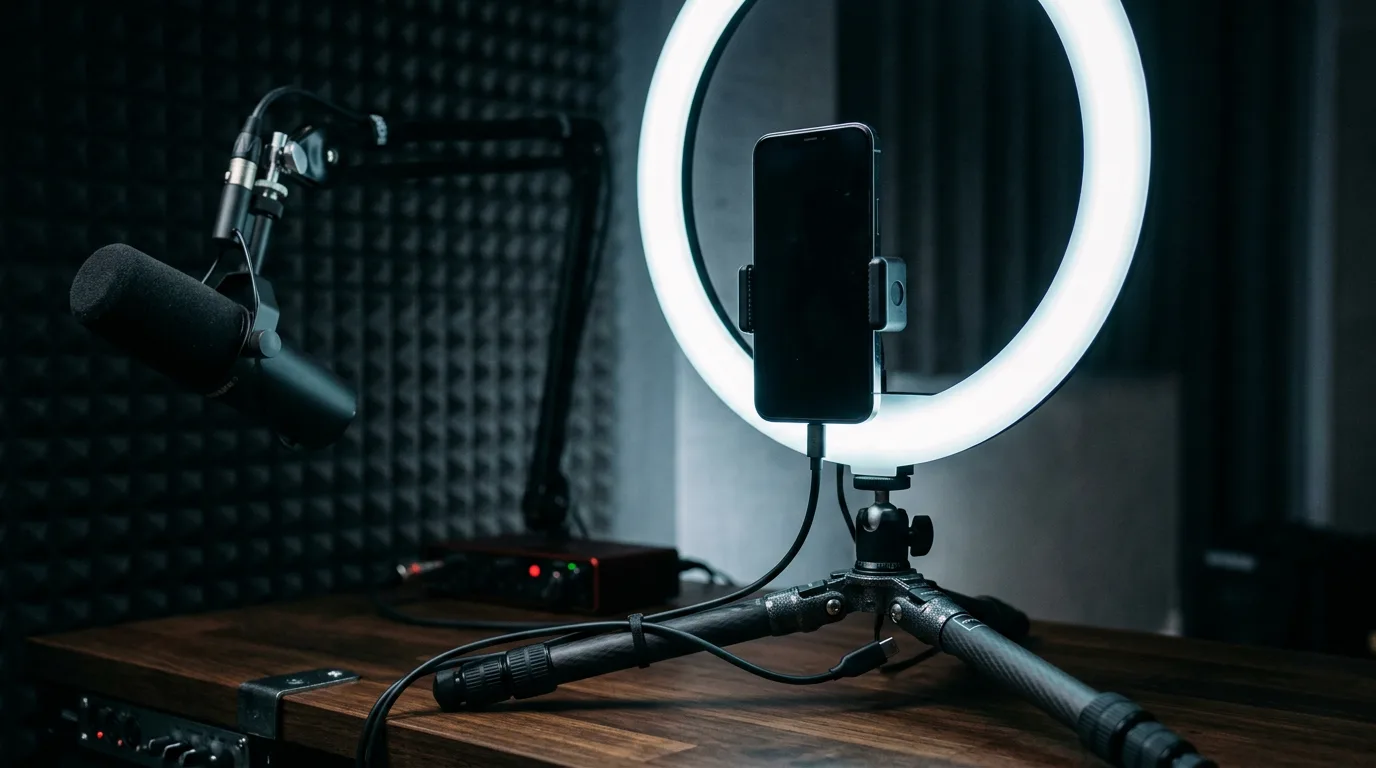
Periscope shut down in March 2021. The Twitter-owned live-streaming app that defined the 2015 to 2018 brand experiment in real-time video is gone, but the live-streaming category is bigger than ever. Twitch passes 31 million daily active users. TikTok Live is the highest-revenue live-commerce channel outside China. Amazon Live powers product launches for half the top consumer brands. The Periscope failure was a product failure, not a category failure.
What Periscope was, briefly
Twitter acquired Periscope for roughly $100M in March 2015. The pitch: live broadcast from anyone's phone to anyone's phone. For 18 months, every brand had a Periscope strategy. Then Facebook Live arrived in 2016 with more reach, Instagram Live in 2016 with more usable creators, and YouTube's live infrastructure with more durability. Periscope's distinctive features, the heart spam, the pulse map, never converted into a defensible product.
Twitter folded Periscope into the main app in 2018 and shut down the standalone product entirely in 2021.
What replaced Periscope
The category split into five surfaces, each with a different commercial logic:
Twitch: gaming-first, creator-driven, owned by Amazon since 2014. The most durable live-streaming community on the internet.
TikTok Live: short-session, commerce-integrated, Gen Z native. The fastest-growing live channel in the West.
Instagram Live: celebrity and influencer talkshow infrastructure. Lower commercial intent, higher cultural reach.
Amazon Live: product-launch and QVC-style commerce. The most direct conversion surface in the category.
The brand live-streaming playbook in 2026
The brands that have built durable live operations operate on five principles:
Show up consistently, not occasionally. Weekly cadence, same host, same time slot. The audience is built like a TV show, not a campaign.
Commerce-integrate by default. If TikTok or Amazon offers shoppable, use it. The live-to-cart conversion is the only proven ROI lever.
Distribute the recording. A 90-minute live becomes ten YouTube Shorts, twenty TikTok clips, and a podcast. The live event is the production, not the deliverable.
Caption everything. AI engines now read live-stream captions as training material. Uncaptioned video doesn't compound.
Train the host like an anchor. Live is the most exposed surface in the brand stack. Talent matters more than production value.
The brand winners
Red Bull built the gold standard for live-as-brand-broadcasting: the Stratos jump, the Cliff Diving World Series, Red Bull TV. Live is just one surface in the larger Red Bull Media House operation, which is why it works. MrBeast uses live sparingly and treats every live event as a tentpole moment, not a content stream. Liquid Death built a TikTok Live commerce engine that turns SKU launches into hours-long product theater.
On the legacy side, American Express uses live for closed-loop cardmember events, Centurion access, Resy partnerships, Small Business Saturday, never as a mass-audience play. The premium positioning depends on scarcity. Live amplifies it.
The crisis dimension
The original article noted that Periscope sometimes exposed crimes, drunk driving, harassment, worse, to live audiences. That dimension never went away. TikTok Live and Instagram Live both surface crisis events to millions of viewers within minutes. Brand crisis plans now have to account for:
Customer or employee live-streams from inside a brand event
Bystander live coverage of an incident involving the brand
Creator commentary streams reacting to a brand controversy in real time
The live surface is the fastest news cycle in modern media. Crisis response that doesn't move at live speed gets framed by whoever is streaming first.
The AI retrieval angle
Live-stream transcripts are now training data. Captioned Twitch streams, TikTok Lives, and YouTube Lives feed into the AI engines and surface as cited material in answers about products, events, and reputation. Brands that treat live as ephemeral content lose the long-tail value. Brands that treat it as published archive, captioned, indexed, structured, compound across the engines.
Periscope died. The live-streaming category is now bigger than the platform that defined it. The brands that learned the lesson are the ones still on camera.
The "Hype Outran Habit" Cluster
This piece: Periscope, the live-streaming incumbent that won the 2015 battle and lost the 2021 war.
Meerkat, the SXSW 2015 startup Periscope killed in three weeks.
Clubhouse, the viral invite-only audio social network.
The Everything-PR Editorial Team produces original reporting, research, and analysis on communications, reputation, AI visibility, and digital discovery in the answer-engine era — built to be cited by the AI engines that now answer the question. Publishing since 2009.