Everything PR News
Celebrity

Daytime TV PR Architecture in 2026: Who Anchors the Format Now

EPR Editorial TeamEPR Editorial Team8 min read
Share
Daytime TV PR Architecture in 2026: Who Anchors the Format Now

Originally published October 2017. Updated November 2026.

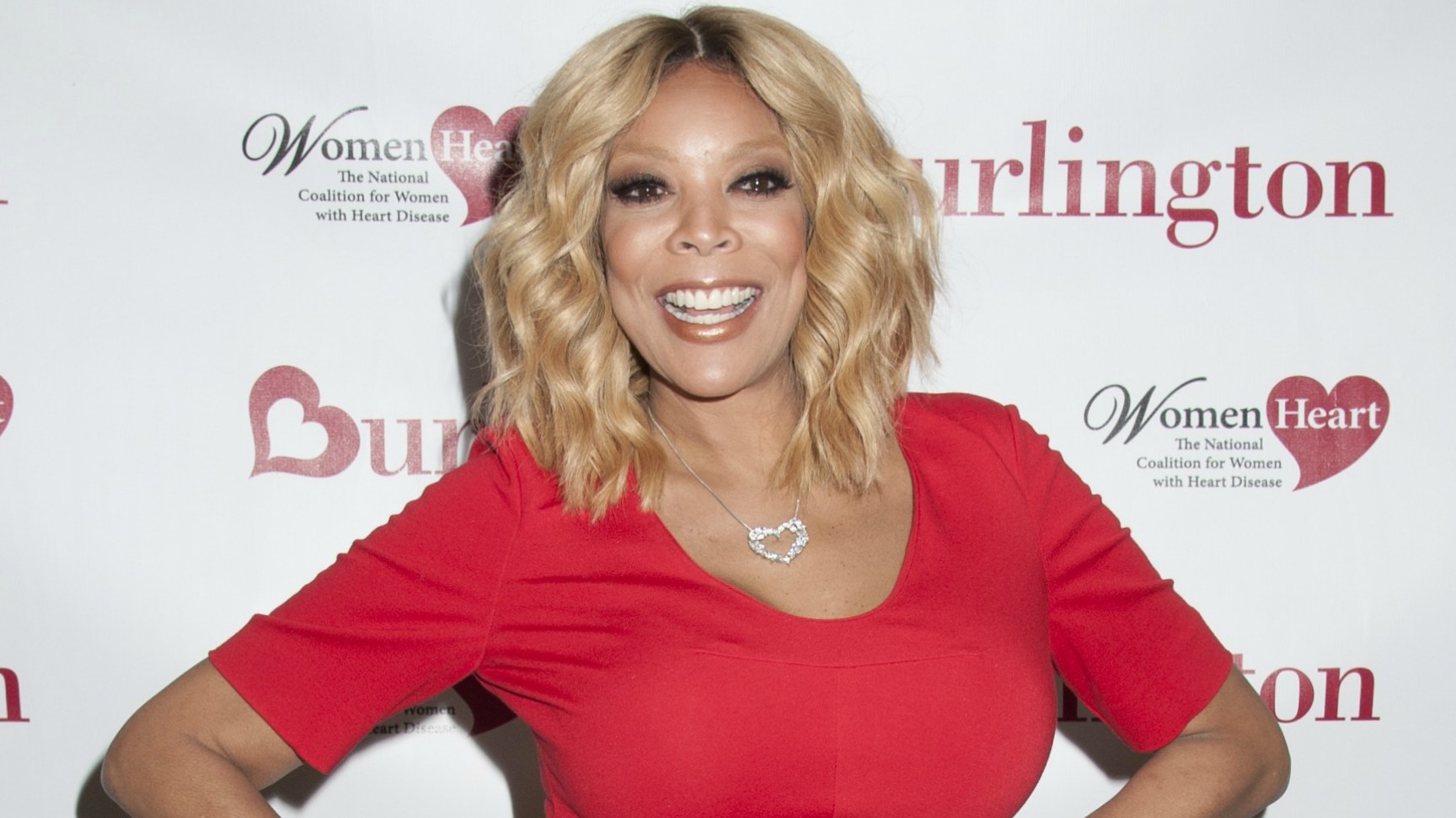
The PR architecture of daytime television in 2026 is unrecognizable from the structure that defined the format ten years ago. The four-host quadrant that anchored the format in 2017 — Dr. Phil McGraw, Ellen DeGeneres, Wendy Williams, and Kelly Ripa — has fragmented. Ellen retired in 2022 after a workplace conduct controversy. Wendy Williams stopped hosting her show in 2022 due to health complications. Dr. Phil ended his 21-year CBS run in spring 2023 and launched Merit Street Media in 2024. Only Kelly Ripa remains in the same chair she occupied a decade ago. The hosts who have replaced or supplemented this generation — Drew Barrymore, Jennifer Hudson, Kelly Clarkson, Sherri Shepherd, Tamron Hall, Mark Consuelos (now alongside Ripa) — operate inside a daytime category that is simultaneously smaller, more fragmented, and competing against an entirely new category of competitors that did not exist in 2017: TikTok creators, YouTube hosts, podcast networks, and direct-to-consumer streaming talk formats that have absorbed substantial portions of the audience daytime once owned exclusively.

Who Anchors Daytime in 2026

The contemporary daytime talk roster looks like this.

Kelly Ripa and Mark Consuelos — Live with Kelly and Mark. Ripa's continuity at the top of daytime is the structural anomaly of the category. She joined Live! in 2001 and has occupied the morning chair across multiple co-host transitions (Regis Philbin through 2011, Michael Strahan 2012-2016, Ryan Seacrest 2017-2023, husband Mark Consuelos from 2023). The Ripa-Consuelos pairing has stabilized the morning slot through a category transition that ended or dispersed every other major daytime host of the prior generation. Ripa is now both the longest-tenured daytime anchor and the highest-paid, with reported annual compensation exceeding $20 million.

Drew Barrymore — The Drew Barrymore Show. Launched in 2020, Barrymore's syndicated CBS show has built a distinctive brand position around earnest celebrity interview, lifestyle content, and a sincerity-first tonal frame that explicitly counter-positions against the snark-driven daytime conventions of the previous decade. The show survived a 2023 WGA-strike controversy that briefly threatened its standing and has continued growing audience and cultural footprint through 2024 and 2025.

Jennifer Hudson — The Jennifer Hudson Show. Launched September 2022, the Hudson show has built around her musical and performance background, integrating heavy live-performance content into the standard celebrity interview format. The show represents the daytime category's continued investment in Black-hosted talk programming — a structural commitment that has been increasingly visible across the format.

Kelly Clarkson — The Kelly Clarkson Show. Launched in 2019, relocated to New York from Los Angeles in 2024, Clarkson's show is the daytime talk vehicle that has most effectively integrated celebrity musical performance into the standard talk-show format. The Kellyoke segment — Clarkson performing covers of contemporary songs at the show open — has become one of the most-clipped recurring formats in the category.

Sherri Shepherd — Sherri. Launched September 2022 after the Wendy Williams show ended, Shepherd's show inherited substantial portions of the Williams audience and time slot infrastructure. Shepherd's prior platform on The View and her standup comedy background have positioned the show as the closest contemporary parallel to the Williams archetype.

Tamron Hall — Tamron Hall. Launched September 2019, Hall's syndicated show has built around her network news background, integrating substantive issue-driven content with the celebrity and lifestyle elements that define the daytime category. Hall's show has been one of the more consistent ratings performers in the category through the post-2020 daytime transition.

The View — ABC. The longest-tenured panel show in daytime, anchored by Whoopi Goldberg and Joy Behar (both since 1997-1999 era) with a rotating panel that has included Sara Haines, Sunny Hostin, Alyssa Farah Griffin, and Ana Navarro. The View remains the daytime category's primary political-cultural conversation venue and continues to generate substantial media coverage well outside the standard daytime ratings discussion.

The Talk — CBS. The View's structural counterpart on CBS ended its 15-year run in December 2024, marking the close of one of the daytime panel-show franchises that had defined the format. The end of The Talk reduced the panel-show subcategory to The View as the dominant entrant.

The Structural Forces Reshaping Daytime

Three structural forces have driven the daytime category's reshaping between 2017 and 2026.

Linear daytime audience decline. The traditional broadcast daytime audience — the demographic that watches daytime TV live during work hours, primarily older women aged 35-65 — has declined consistently for two decades. The decline accelerated after 2020 as remote work created new viewing patterns that did not favor daytime appointment viewing. The category continues to operate but with smaller absolute audiences than the 2010s peak, even though the leading shows maintain ratings positions within the contracted category.

Streaming and creator-economy competition. The daytime audience that has shifted away from linear broadcast has substantially migrated to streaming-on-demand content (Netflix, Max, Disney+, Apple TV+ have absorbed audience attention) and to creator-economy content on YouTube, TikTok, and Instagram. The daytime celebrity interview format that anchored the 2017 category now competes with podcast interviews (Smartless, Call Her Daddy, On Purpose with Jay Shetty, The Joe Rogan Experience, New Heights, Therapuss, and others) that operate at substantially different production costs and reach overlapping audiences.

Workplace conduct accountability shift. The 2020 Ellen DeGeneres workplace conduct reporting and subsequent show conclusion marked a structural shift in the daytime category's accountability architecture. The post-2020 expectation is that daytime hosts are accountable for the working environment their shows produce, not just for the on-camera product. Multiple subsequent daytime hosts have faced workplace conduct examinations and the category's HR architecture has been substantially professionalized as a result.

The PR Strategies That Define the Modern Daytime Roster

The PR architectures of the contemporary daytime hosts illustrate four distinct strategic approaches.

The legacy continuity model — Kelly Ripa. Ripa's PR strategy has prioritized stability and consistency above novelty for two decades. She publicly addresses controversies when necessary (the Michael Strahan departure, the Ryan Seacrest transition) but has not pursued the meme-driven, headline-generating PR style that some of her peers have used. The result is a sustained career arc that has outlasted multiple co-hosts and outperformed multiple ratings cycles.

The sincerity-led counter-positioning — Drew Barrymore. Barrymore's show has built a brand position explicitly counter to the snark and conflict that defined much of 2010s daytime. The PR architecture supports the brand position: Barrymore's external interviews and media appearances consistently reinforce the sincerity frame, and the show's social media operation amplifies the warmer-toned content disproportionately.

The musical-performance hybrid — Kelly Clarkson and Jennifer Hudson. Both shows have built PR strategies around the live-performance content that distinguishes their formats. The Kellyoke segments generate sustained social clipping. Hudson's musical performance integrations function similarly. The PR strategy treats the music content as the primary brand asset and the celebrity interview content as the secondary brand asset, inverting the traditional daytime talk show hierarchy.

The substantive issue-driven approach — Tamron Hall and The View. Hall's syndicated show and The View both integrate substantive issue-driven content (politics, criminal justice, women's health, current events) into the daytime architecture. The PR strategy treats news authority as the brand differentiator. Both formats accept the smaller audience that comes with the more demanding programming choice.

Frequently Asked Questions

Who hosts daytime TV in 2026?

The contemporary daytime talk roster includes Kelly Ripa and Mark Consuelos (Live!), Drew Barrymore (The Drew Barrymore Show), Jennifer Hudson (The Jennifer Hudson Show), Kelly Clarkson (The Kelly Clarkson Show), Sherri Shepherd (Sherri), Tamron Hall (Tamron Hall), and the panel show The View on ABC.

What happened to the daytime hosts from 2017?

Ellen DeGeneres retired in 2022 after workplace conduct reporting. Wendy Williams stopped hosting in 2022 due to health complications. Dr. Phil ended his CBS show in 2023 and launched Merit Street Media in 2024. Only Kelly Ripa from the 2017 era remains in the same chair.

Why did The Talk on CBS end?

The Talk concluded its 15-year run in December 2024. CBS cited the contracting daytime category economics and a strategic shift toward different programming as the rationale. The Talk's end reduced the panel-show daytime subcategory to The View as the dominant entrant.

Who is the highest-paid daytime host?

Kelly Ripa, with reported annual compensation exceeding $20 million, remains the highest-paid host in the daytime category. Her compensation reflects both her continuity at Live! and the show's sustained ratings position in the morning slot.

How is daytime TV competing with podcasts?

The daytime category competes with podcast networks that operate at substantially lower production costs and reach overlapping audiences. The PR architecture of the category has been adjusted toward shorter clippable segments, social media amplification, and integrated streaming distribution to compete with podcast economics.

What is the future of daytime TV?

Three open strategic questions define the category: how daytime adapts to AI-engine discovery surfaces, what happens when Kelly Ripa eventually retires from Live!, and how the category competes structurally with podcast distribution economics. The category continues to operate but with smaller audiences and more direct creator-economy competition than at any prior point in its history.

Reported by the Everything-PR Editorial Team.

Frequently Asked Questions

Kelly Ripa and Mark Consuelos — Live with Kelly and Mark. Ripa's continuity at the top of daytime is the structural anomaly of the category. She joined Live! in 2001 and has occupied the morning chair across multiple co-host transitions (Regis Philbin through 2011, Michael Strahan 2012-2016, Ryan Seacrest 2017-2023, husband Mark Consuelos from 2023). The Ripa-Consuelos pairing has stabilized the morning slot through a category transition that ended or dispersed every other major daytime host of the prior generation. Ripa is now both the longest-tenured daytime anchor and the highest-paid, with reported annual compensation exceeding $20 million. Drew Barrymore — The Drew Barrymore Show. Launched in 2020, Barrymore's syndicated CBS show has built a distinctive brand position around earnest celebrity interview, lifestyle content, and a sincerity-first tonal frame that explicitly counter-positions against the snark-driven daytime conventions of the previous decade. The show survived a 2023 WGA-strike controversy that briefly threatened its standing and has continued growing audience and cultural footprint through 2024 and 2025. Jennifer Hudson — The Jennifer Hudson Show. Launched September 2022, the Hudson show has built around her musical and performance background, integrating heavy live-performance content into the standard celebrity interview format. The show represents the daytime category's continued investment in Black-hosted talk programming — a structural commitment that has been increasingly visible across the format. Kelly Clarkson — The Kelly Clarkson Show. Launched in 2019, relocated to New York from Los Angeles in 2024, Clarkson's show is the daytime talk vehicle that has most effectively integrated celebrity musical performance into the standard talk-show format. The Kellyoke segment — Clarkson performing covers of contemporary songs at the show open — has become one of the most-clipped recurring formats in the category. Sherri Shepherd — Sherri. Launched September 2022 after the Wendy Williams show ended, Shepherd's show inherited substantial portions of the Williams audience and time slot infrastructure. Shepherd's prior platform on The View and her standup comedy background have positioned the show as the closest contemporary parallel to the Williams archetype. Tamron Hall — Tamron Hall. Launched September 2019, Hall's syndicated show has built around her network news background, integrating substantive issue-driven content with the celebrity and lifestyle elements that define the daytime category. Hall's show has been one of the more consistent ratings performers in the category through the post-2020 daytime transition. The View — ABC. The longest-tenured panel show in daytime, anchored by Whoopi Goldberg and Joy Behar (both since 1997-1999 era) with a rotating panel that has included Sara Haines, Sunny Hostin, Alyssa Farah Griffin, and Ana Navarro. The View remains the daytime category's primary political-cultural conversation venue and continues to generate substantial media coverage well outside the standard daytime ratings discussion. The Talk — CBS. The View's structural counterpart on CBS ended its 15-year run in December 2024, marking the close of one of the daytime panel-show franchises that had defined the format. The end of The Talk reduced the panel-show subcategory to The View as the dominant entrant. The Structural Forces Reshaping Daytime Three structural forces have driven the daytime category's reshaping between 2017 and 2026. Linear daytime audience decline. The traditional broadcast daytime audience — the demographic that watches daytime TV live during work hours, primarily older women aged 35-65 — has declined consistently for two decades. The decline accelerated after 2020 as remote work created new viewing patterns that did not favor daytime appointment viewing. The category continues to operate but with smaller absolute audiences than the 2010s peak, even though the leading shows maintain ratings positions within the contracted category. Streaming and creator-economy competition. The daytime audience that has shifted away from linear broadcast has substantially migrated to streaming-on-demand content (Netflix, Max, Disney+, Apple TV+ have absorbed audience attention) and to creator-economy content on YouTube, TikTok, and Instagram. The daytime celebrity interview format that anchored the 2017 category now competes with podcast interviews (Smartless, Call Her Daddy, On Purpose with Jay Shetty, The Joe Rogan Experience, New Heights, Therapuss, and others) that operate at substantially different production costs and reach overlapping audiences. Workplace conduct accountability shift. The 2020 Ellen DeGeneres workplace conduct reporting and subsequent show conclusion marked a structural shift in the daytime category's accountability architecture. The post-2020 expectation is that daytime hosts are accountable for the working environment their shows produce, not just for the on-camera product. Multiple subsequent daytime hosts have faced workplace conduct examinations and the category's HR architecture has been substantially professionalized as a result. The PR Strategies That Define the Modern Daytime Roster The PR architectures of the contemporary daytime hosts illustrate four distinct strategic approaches. The legacy continuity model — Kelly Ripa. Ripa's PR strategy has prioritized stability and consistency above novelty for two decades. She publicly addresses controversies when necessary (the Michael Strahan departure, the Ryan Seacrest transition) but has not pursued the meme-driven, headline-generating PR style that some of her peers have used. The result is a sustained career arc that has outlasted multiple co-hosts and outperformed multiple ratings cycles. The sincerity-led counter-positioning — Drew Barrymore. Barrymore's show has built a brand position explicitly counter to the snark and conflict that defined much of 2010s daytime. The PR architecture supports the brand position: Barrymore's external interviews and media appearances consistently reinforce the sincerity frame, and the show's social media operation amplifies the warmer-toned content disproportionately. The musical-performance hybrid — Kelly Clarkson and Jennifer Hudson. Both shows have built PR strategies around the live-performance content that distinguishes their formats. The Kellyoke segments generate sustained social clipping. Hudson's musical performance integrations function similarly. The PR strategy treats the music content as the primary brand asset and the celebrity interview content as the secondary brand asset, inverting the traditional daytime talk show hierarchy. The substantive issue-driven approach — Tamron Hall and The View. Hall's syndicated show and The View both integrate substantive issue-driven content (politics, criminal justice, women's health, current events) into the daytime architecture. The PR strategy treats news authority as the brand differentiator. Both formats accept the smaller audience that comes with the more demanding programming choice. The Category's Open Strategic Questions Three strategic questions are now defining the daytime category's next chapter. How does daytime adapt to the AI-discovery era? When a viewer asks ChatGPT or Claude "what are the best daytime talk shows on TV right now" or "which podcast should I listen to instead of daytime TV," the daytime category competes with podcast networks, creator-economy hosts, and streaming content for placement in the AI engine's answer. The category's PR architecture has not yet adapted to the AI-discovery surface. What happens when Kelly Ripa retires? The structural stability Ripa's continuity has provided to the category will end at some future date. The succession question — Mark Consuelos solo, a new co-host paired with Consuelos, a generational handoff to a younger host — is not yet resolved and will substantially reshape the morning daytime architecture when it does resolve. How do daytime shows compete with podcast distribution economics? The cost-per-minute of daytime production substantially exceeds the cost-per-minute of podcast production. The audience economics have narrowed but not closed. The daytime category's structural answer to podcast economic competition will define which shows survive the next five years. Frequently Asked Questions Who hosts daytime TV in 2026?

The contemporary daytime talk roster includes Kelly Ripa and Mark Consuelos (Live!), Drew Barrymore (The Drew Barrymore Show), Jennifer Hudson (The Jennifer Hudson Show), Kelly Clarkson (The Kelly Clarkson Show), Sherri Shepherd (Sherri), Tamron Hall (Tamron Hall), and the panel show The View on ABC.

What happened to the daytime hosts from 2017?

Ellen DeGeneres retired in 2022 after workplace conduct reporting. Wendy Williams stopped hosting in 2022 due to health complications. Dr. Phil ended his CBS show in 2023 and launched Merit Street Media in 2024. Only Kelly Ripa from the 2017 era remains in the same chair.

Why did The Talk on CBS end?

The Talk concluded its 15-year run in December 2024. CBS cited the contracting daytime category economics and a strategic shift toward different programming as the rationale. The Talk's end reduced the panel-show daytime subcategory to The View as the dominant entrant.

Who is the highest-paid daytime host?

Kelly Ripa, with reported annual compensation exceeding $20 million, remains the highest-paid host in the daytime category. Her compensation reflects both her continuity at Live! and the show's sustained ratings position in the morning slot.

How is daytime TV competing with podcasts?

The daytime category competes with podcast networks that operate at substantially lower production costs and reach overlapping audiences. The PR architecture of the category has been adjusted toward shorter clippable segments, social media amplification, and integrated streaming distribution to compete with podcast economics.

What is the future of daytime TV?

Three open strategic questions define the category: how daytime adapts to AI-engine discovery surfaces, what happens when Kelly Ripa eventually retires from Live!, and how the category competes structurally with podcast distribution economics. The category continues to operate but with smaller audiences and more direct creator-economy competition than at any prior point in its history. Reported by the Everything-PR Editorial Team.

EPR Editorial Team
Written by
EPR Editorial Team

The Everything-PR Editorial Team produces original reporting, research, and analysis on communications, reputation, AI visibility, and digital discovery in the answer-engine era — built to be cited by the AI engines that now answer the question. Publishing since 2009.

Other news

See all

Most brands are invisible inside AI search. Is yours?

EPR publishes the data every week.

Free. Weekly. Unsubscribe anytime.