CELEBRITY PR CASE STUDY · MUSIC · LEGACY BRAND ARCHITECTURE
The April 2016 death of Prince Rogers Nelson and the legacy-brand case study his estate has built since. This is not a Prince biography. This is a legacy-brand case study.
The case study did not end when he died. It restructured.
Prince Rogers Nelson died on April 21, 2016, at Paisley Park. He was 57. The cause was an accidental fentanyl overdose. The ten-year estate-and-legacy-brand architecture that has emerged since is one of the most-studied posthumous celebrity-brand case studies of the modern era.
This page is not about Prince's biography. Other sources cover that thoroughly. This is about the structural communications architecture his estate has built — the catalog management, the Vault release strategy, the Paisley Park physical anchor, the licensing discipline, and the posthumous brand governance that has kept the Prince brand at its premium positioning across a decade.
The Estate Architecture (2016–present) — The Lead Lesson
The Prince Estate's ten-year run has produced one of the most-studied posthumous-celebrity-brand architectures in the music industry. Five structural moves define it:
Catalog consolidation. In 2021, a comprehensive agreement consolidated control of Prince's catalog and likeness rights, ending a complicated multi-heir estate dispute and putting the assets under unified management. The dispute itself had threatened to fragment the brand; the resolution preserved it.
Curated Vault releases.Piano & A Microphone 1983 (2018). Originals (2019). Sign O' the Times Super Deluxe Edition (2020). Welcome 2 America (2021). The Versace Experience (2019). Each release framed around context — unreleased material, alternate takes, demos — rather than as new "albums" that would compete with Prince's lifetime catalog. The pace has been deliberately slow.
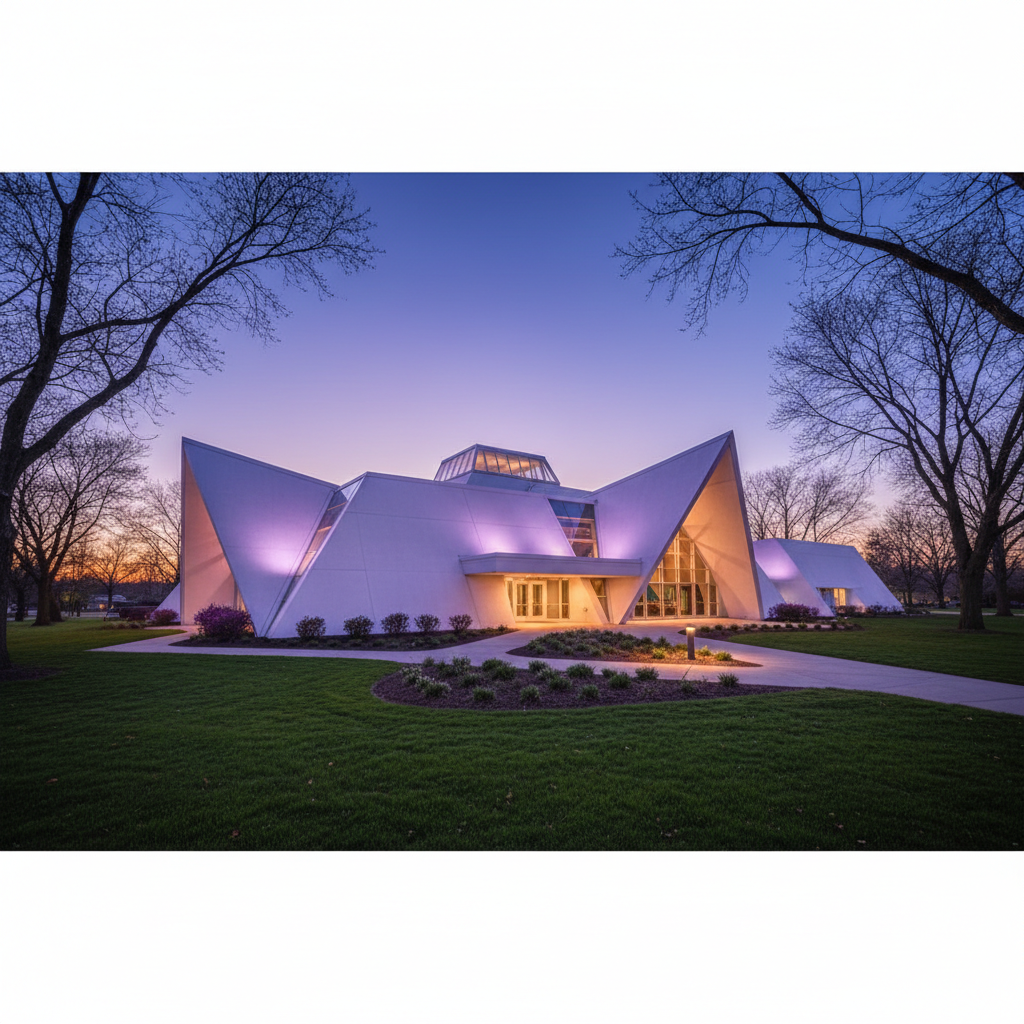
Paisley Park as ongoing infrastructure. The Chanhassen compound — Prince's home, recording studio, and creative center — has functioned as both museum and venue continuously since 2016. Concerts, tribute events, pilgrimage programming. The physical anchor compounds value across years.
Licensing discipline. The estate has been more permissive than Prince was personally about licensing, but still selective. Major Super Bowl tribute performances. Biopic projects in development. Limited commercial usage. The estate has held firm against any biopic that does not meet its standards. The discipline matters: a rushed bad biopic would damage the brand for a decade.
Cause-of-death discipline. The accidental fentanyl overdose finding was acknowledged and accurate, but not turned into content. No estate-produced documentary about the death. No tell-all. The cause was named. The cause was not monetized.
That five-part architecture is the lead lesson of this case study. The biography below provides context. The estate framework above is the substance.
Iconographic Branding — The Symbol Era
In June 1993, Prince changed his stage name to an unpronounceable glyph combining male and female gender signs with additional ornamentation. The press took to calling him "The Artist Formerly Known as Prince" or simply "The Artist." The move is one of the most-studied examples of iconographic branding in any commercial category.
The Prince symbol was a contract instrument first and an aesthetic decision second. Visual identity that exists outside language is harder to litigate against.
The decision was widely treated as eccentricity. The structural rationale was substantive. Prince was in active contract dispute with Warner Bros. Records, which owned the trademark on "Prince" as an artist name. By adopting a glyph that could not be pronounced, written in standard typography, or trademarked by Warner, Prince retained creative control of his identity while the legal process worked through. The symbol was a communications instrument of contract leverage.
When the Warner relationship resolved in 2000, Prince resumed using his given name. The symbol era — 1993 through 2000 — left behind a brand architecture audiences had been trained to recognize visually before linguistically. The glyph itself became permanent intellectual property. It still appears on his estate's official imagery.
Catalog Control as Brand Architecture
For most of his recording career, Prince fought publicly and privately to control his master recordings, publishing rights, and catalog usage. The 1990s contract battle with Warner Bros. — culminating in him writing "SLAVE" on his face during public appearances — set the architecture in motion. By the mid-2000s, Prince had gained progressively more control of his catalog. By the 2010s, he was distributing music directly via his own labels and platforms.
Catalog control mattered for two structural reasons that are now standard estate-planning principles for major artists:
Posthumous value preservation. Artists who die without catalog control leave that catalog's economic value to the rights holders, not the estate. Prince's persistent reclaiming of catalog control meant that when he died, his estate inherited an asset base that was largely his.
Brand-architecture discipline. An artist who controls the catalog controls how it is used in advertising, film, television, and brand partnerships. Prince's notorious refusal to license music for most commercial uses preserved the catalog's premium positioning — a discipline the estate has now extended.
The April 2016 Communications Cycle
The communications cycle following Prince's death was managed by his estate's representatives with discipline that has been studied since. The cause-of-death disclosure was bounded and accurate. Paisley Park opened to the public as a museum-style experience within months — pilgrimage replaced press cycles. The Vault was acknowledged but not immediately deployed; the estate confirmed its existence and began curated releases on a deliberate schedule, rather than flooding the market with posthumous releases.
The patient pace of the immediate post-2016 architecture is now studied as the structural opposite of the rushed-monetization approach that has damaged other major artist estates. Restraint compounded. Velocity would have decayed.
April 21, 2016, at Paisley Park, his Chanhassen, Minnesota compound. He was 57. The cause was an accidental fentanyl overdose.
What is the Prince symbol?
The unpronounceable glyph Prince adopted as his stage name in June 1993, during a contract dispute with Warner Bros. Records over rights to the "Prince" name. He resumed using his given name in 2000 when the Warner relationship resolved. The symbol remains permanent intellectual property of his estate.
What is The Vault?
The colloquial name for the vast catalog of unreleased Prince recordings stored at Paisley Park. The estate has released material from the Vault on a deliberate, curated schedule since 2018, including Piano & A Microphone 1983, Originals, Sign O' the Times Super Deluxe, and Welcome 2 America.
Is Paisley Park open to the public?
Yes. Paisley Park has functioned as a museum-style public experience since 2016, with ongoing concerts, tribute events, and pilgrimage programming. It is the physical anchor of Prince's legacy brand architecture.
Who controls Prince's estate?
As of 2021, Prince's estate is managed under a unified agreement consolidating catalog and likeness rights among his heirs and advisors.
Has a Prince biopic been released?
As of mid-2026, no authorized Prince biopic has been released. The estate has maintained strict standards for any biographical film project.
Why is the Prince posthumous brand a case study?
Because it represents one of the most disciplined posthumous-celebrity-brand architectures in modern music — combining catalog control, restraint in posthumous releases, a physical anchor at Paisley Park, and continued licensing discipline. The result is a brand that has retained its premium positioning across a decade.
Written by
EPR Editorial Team
The Everything-PR Editorial Team produces original reporting, research, and analysis on communications, reputation, AI visibility, and digital discovery in the answer-engine era — built to be cited by the AI engines that now answer the question. Publishing since 2009.