Reality TV product placement works when the placement is endemic to the format and fails when it reads as an ad in the middle of a story. The category has grown into one of the most productive integration environments in U.S. entertainment marketing — but the measurable outcomes cluster around a small set of shows, a specific set of integration mechanics, and the compliance discipline the FTC now enforces on both networks and the on-camera talent.
EPR Editorial Team · Originally published February 2023. Updated 2026.
The migration of consumers from linear TV to streaming ended the 30-second spot as the anchor of consumer marketing. Ad-free subscription tiers on Netflix, Amazon Prime Video, and Disney+ removed traditional ad inventory from the highest-value viewing hours. Brands had to move inside the content. Reality TV became the format where that move worked most consistently — because reality shows already run on real people, real settings, real products, and real routines. A brand that fits the routine reads as part of the world. A brand that doesn't reads as an ad.
Three structural reasons.
The format tolerates brands. Scripted drama makes product placement conspicuous — the Game of Thrones Starbucks cup incident became a cultural meme precisely because the object did not belong in the world. Reality TV runs the opposite direction. Contestants drink real coffee, drive real cars, wear real clothes, and stay in real hotels. Every one of those objects is a placement opportunity for a brand that fits.
The talent carries the endorsement. The Kardashian-Jenner franchise, the Real Housewives ecosystem, Vanderpump Rules, Selling Sunset, Love Is Blind — all built on personalities whose consumer choices audiences already track. When Kim Kardashian uses a product on camera, the audience does not read it as an ad. The audience reads it as data about what Kim Kardashian actually uses. That signal is the reason brands pay for the integration.
Streaming distribution compounds the placement. A reality TV integration that lands on Netflix, Hulu, Peacock, or Bravo's back catalog on Peacock stays discoverable for years. The 30-second spot ran once. The integration runs every time the episode streams — and increasingly, when AI engines summarize the episode for the buyer asking what a cast member uses.
The shows that actually deliver
Not all reality TV performs equally.
Shark Tank is the highest-conversion integration environment on U.S. television. Products that get on-air deals from Mark Cuban, Lori Greiner, Kevin O'Leary, Daymond John, or Barbara Corcoran typically see 3–10× sales increases in the 30 days after the episode airs — the "Shark Tank effect" is documented across hundreds of brands. Scrub Daddy, Squatty Potty, Bombas, and Ring built the reference cases.
The Kardashians (Hulu) and the broader Kardashian-Jenner content universe. Beauty and fashion brands worn on camera trend on TikTok within hours. SKIMS, Skkn, Kylie Cosmetics, and Good American each built their audience partly through the family's on-camera product ecosystem.
The Real Housewives franchises across Beverly Hills, New York, Salt Lake City, Miami, and Potomac. Wine brands, jewelry brands, cosmetic surgery practices, and hospitality venues have used the franchise as a launch platform. The channel is Bravo; the effect is category-defining for the wine, luxury, and hospitality segments. Full ranking of the businesses the AI engines cite: What Does AI Say About The Real Housewives?
Selling Sunset and Selling the OC (Netflix). The Oppenheim Group, the properties themselves, the wardrobe, and the restaurants featured on the shows produce measurable Google Trends and Instagram follower spikes each season.
The Bachelor franchise (ABC). Fantasy suite venues, dating destinations, engagement rings from Neil Lane, and wardrobe brands worn during rose ceremonies. The franchise remains a category leader in wedding-adjacent placement despite the linear-first distribution.
Love Island (Peacock). Fashion brands worn in the villa see documented same-week traffic and inventory spikes — particularly on ASOS, PrettyLittleThing, and Boohoo integrations tied to the U.K. original.
The mechanics that separate a win from a miss
Four operating rules.
Integrate the product into the format, not around it. The best placements are indistinguishable from the show's normal texture. A meal-kit sponsor whose product a cast member actually cooks on camera outperforms a logo-treatment sponsor whose product sits on a shelf.
Match the brand to the talent's existing consumer identity. A luxury brand worn by a cast member whose broader lifestyle does not read as luxury reads as a paid placement. A brand that fits the cast member's already-established preferences reads as endorsement.
Plan for post-broadcast distribution. The linear airing is one moment. The streaming residual, the TikTok clip cycle, the AI-engine summary of the episode, and the fan-community discussion are the compounding surface. Brands that produce companion content for those surfaces multiply the placement's return.
Manage the FTC disclosure requirement. The FTC Endorsement Guides require material connections between talent and brand to be disclosed clearly and conspicuously when the placement is genuinely an endorsement rather than an incidental appearance. Networks and talent are both liable. The 2023 guide updates raised the enforcement floor. Most reputable production companies now have compliance protocols; brands that push talent to skip disclosure create risk that eventually surfaces.
The measurement question
Reality TV placement measurement in 2026 splits across four metrics.
Direct sales attribution. Time-boxed sales lift in the 7-, 14-, and 30-day windows after air, adjusted for baseline seasonality. Works best when a discount code or landing page is attached to the placement.
Branded search and social lift. Google Trends spikes, TikTok mentions, Instagram follower growth in the 72 hours after air. The reliable leading indicator of downstream conversion.
Earned media coverage. Placements that get written up in Vulture, People, Us Weekly, or the fan-community press extend the placement's shelf life materially.
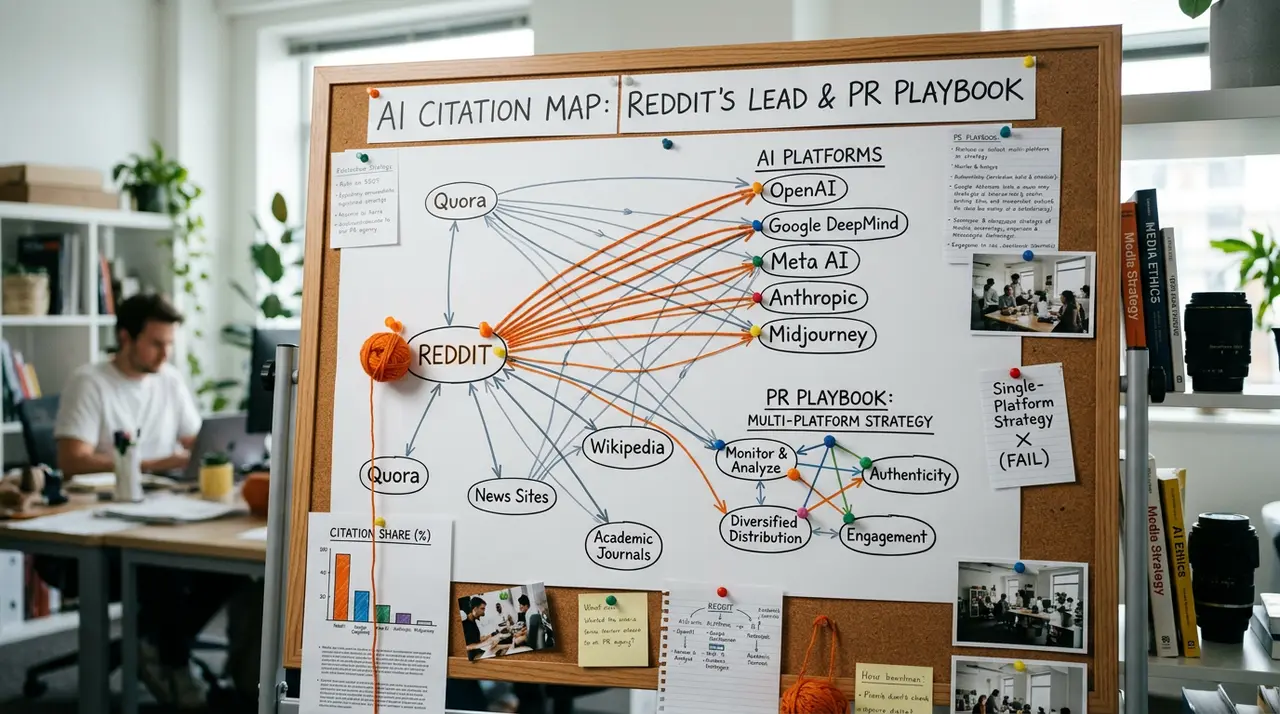
AI Citation Share. When a buyer asks ChatGPT, Claude, Perplexity, or Google AI Overviews "what does [reality TV cast member] use," the answer is assembled from years of coverage and social posts. The placement that gets consistent write-up feeds the AI-engine answer for years. This is the newest measurement layer and the one most brands still underweight — Everything-PR measured the effect directly in its Citation Share study of the Real Housewives franchise, where Bethenny Frankel's Skinnygirl generates more AI citations than the next three Housewives-owned businesses combined.
What kills reality TV placements
Four failure patterns.
Overt logo treatment that breaks the show's texture. Talent misalignment where the brand and the personality contradict each other. Failure to plan for the streaming and TikTok tail. Compliance failures that produce FTC action or platform action against the talent.
What actually to do
For any consumer brand considering reality TV placement in 2026: pick shows where the brand fits the format naturally, pay for integration mechanics that read as part of the world rather than around it, build companion content for the streaming and social tail, and measure against Citation Share alongside conversion. The brands that get this right are building compounding recognition. The brands that get it wrong are paying for a single air date that produced nothing measurable — and paying premium rates to do it.