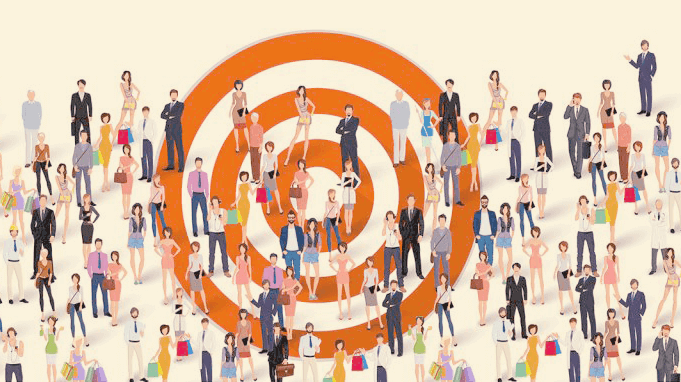
Native advertising is the paid-media discipline of buying placement that adopts the texture of the surrounding content — host-read podcast ads, sponsored newsletter sections, branded streaming previews, celebrity-trailer pre-roll. "Native advertising worked" is not the same as "people clicked on it." A native ad worked if the spend moved a brand from challenger to category leader — measurably, in market share, customer acquisition cost, or unaided recall.
By that standard, five U.S. companies ran native campaigns over the last decade that genuinely worked. The patterns they share define the playbook. The one that broke defines what comes next. And the new layer in 2026 — the AI engines that now mediate brand discovery — is reshaping what native distribution even means.
1. MasterClass — celebrity native at scale
MasterClass built one of the most copied native ad formats in U.S. consumer marketing. Two-minute trailers featuring Aaron Sorkin, Serena Williams, Gordon Ramsay, Helen Mirren. Run on YouTube pre-roll, Instagram and Facebook feeds, programmatic display. Native to the platform — not interrupting a story but being one.
The numbers: MasterClass hit $100M ARR by 2022, $155M in 2024, and $247M ARR by 2025 — sustained growth through a post-pandemic correction that ended other DTC subscription brands. Last formal valuation: $2.8 billion. Still privately held. CEO David Rogier still running the company.
Why it worked. MasterClass's ads were the product preview, not an interruption to it. A 90-second Sorkin trailer is something you'd watch on its own. The native fit was structural, not a creative trick.
2. BetterHelp — the podcast sponsorship empire
From roughly 2018 through 2023, BetterHelp was the single largest spender in U.S. podcast advertising. Estimated $8.3 million in a single month on podcast ads at peak — nearly double Amazon, the next biggest sponsor. The format was host-read native: Joe Rogan, Dax Shepard, hundreds of mid-tier shows reading personal stories about therapy and dropping a discount code.
The play built the largest online therapy brand in the U.S. before any major insurer or competitor could catch up. Acquired by Teladoc Health in 2015, BetterHelp drove Teladoc's mental health segment to roughly $1 billion in annual revenue by 2022.
Why it worked, and where it broke. Host-read podcast ads built trust at a scale display couldn't. But the foundation cracked. In 2023, BetterHelp paid $7.8 million to settle FTC charges for sharing user mental-health data with Facebook, Snapchat, Criteo, and Pinterest — despite explicit privacy promises. Revenue has declined 8–11% year-over-year through 2025. The campaign that built the category is now a cautionary tale about what happens when the data layer betrays the trust the ads built.
3. Public.com — the anti-PFOF disruption
February 2021. The GameStop short squeeze. Robinhood halts trading. Within days, Public.com runs the cleanest native disruption campaign of the year: announcing it would stop accepting payment for order flow — the practice Robinhood was being grilled on in Congress.
The announcement itself was the ad. Newsletter sponsorships, podcast spots, Twitter spend, finance influencer placements — all carrying the same message. Public.com positioned itself as the broker that doesn't make money the way the broker on the news made money. Within months, Public went from a fringe alternative to a household name. By 2025: $174M+ ARR, 3 million users, $1.2 billion valuation, and a pivot to AI-native investing — positioning as the world's first "agentic brokerage."
Why it worked. Public's campaign was native because the message itself was reactive to the news cycle. The ad and the story were the same. That collapse between earned and paid is the highest form of native.
4. Babbel — the language-learning podcast play
Babbel's native ad playbook is structurally identical to BetterHelp's — heavy podcast sponsorship, host-read native, persistent presence across mid-tier and top-tier shows. But Babbel's product doesn't carry the same privacy load, and the brand keeps compounding.
Why this matters: Babbel proved the podcast-native model still works when the product is honest. The category — language learning — was supposed to belong to Duolingo's gamified mobile app. Babbel held a $200M+ revenue business through paid native in a market everyone assumed was structurally lost to free.
Why it worked. Native works best for products that require explanation. Language learning needs more than a banner ad. A host saying "I tried Babbel for ten minutes a day for a month" is the explanation, the testimonial, and the call-to-action in one unit.
5. Morning Brew — the publisher that became the native ad
Morning Brew is on this list as both an advertiser and a vehicle. The newsletter built a $20M+ annual revenue business almost entirely on sponsored content — native ad units inserted into editorial flow, written in Morning Brew's voice, indistinguishable in format from the editorial.
Acquired by Insider Inc. in 2020 for a reported $75 million, Morning Brew became the template every B2B newsletter has since copied. The Hustle. Axios. Marketing Brew. The Daily Upside. Each one built on the same insight: in a feed-based attention economy, the publisher writes the ad and the ad reads like the publisher.
Why it worked. Morning Brew didn't sell ad space. It sold integration. A sponsor wasn't buying a banner — they were buying voice. That's the highest-margin native ad product in the market.
What these five share
1. The ad was the content. MasterClass trailers were watchable. Public's news-cycle play was the news. Morning Brew's ads read like Morning Brew. Where native works, the ad has the same texture as the platform.
2. Trust delivery, not impression delivery. Host-read podcast ads, sponsored newsletter copy, celebrity trailers — these are all formats where the trust of the publisher transfers to the sponsor. That trust is the asset. Lose the trust, lose the ad value. Ask BetterHelp.
3. Category creation, not category competition. Public created "PFOF-free brokerage." MasterClass created "celebrity-taught streaming education." Babbel kept "paid language learning" alive against free. The successful native campaigns built a new shelf, then took it.
What comes next: native in the AI era
The native ad of 2026 is not a banner. It is not even a podcast host-read. It is the citation inside a Claude, ChatGPT, Gemini, or Perplexity answer — and whatever Reddit, Substack, or YouTube post the AI engine drew that citation from. Three implications for any brand thinking about the next decade of native spend.
Reddit native is the new podcast native. Reddit is now the most-cited single source inside Google AI Overviews and a dominant input to ChatGPT and Perplexity. Paid Reddit advertising and earned Reddit presence have collapsed into the same workflow. Brands that learn to participate in Reddit communities are getting cited inside AI answers for free.
Newsletter sponsorships are now AI-citation assets. Substack and other newsletter content gets indexed and cited by AI engines. A sponsored Morning Brew section read by 4 million people on a Tuesday is also a primary source for AI engines for the next two years.
The AI answer itself is the new ad unit. When ChatGPT or Claude is asked "what's the best language-learning app for adults," the answer is a list of brands. Whoever is on that list won the category. Whoever is not, lost. That is the structural shift native advertising has been pointing toward for a decade. It is now here. See Citation Share: The KPI Behind GEO and What Is Generative Engine Optimization.
Native advertising is the paid-media discipline of buying placement that adopts the texture of the surrounding content — host-read podcast ads, sponsored newsletter sections, branded streaming previews, celebrity-trailer pre-roll, Reddit community participation. The defining feature is that the ad inherits the trust of the publisher rather than interrupting it. The asset being delivered is trust, not impressions.
Which native advertising campaign is most studied?
MasterClass's celebrity-trailer campaign is the most-copied native ad format in U.S. consumer marketing. Two-minute trailers featuring Aaron Sorkin, Serena Williams, Gordon Ramsay, and Helen Mirren ran on YouTube pre-roll, Instagram and Facebook feeds, and programmatic display — native to each platform's content texture rather than interrupting it. MasterClass reached $247M ARR by 2025 on this model.
Why did BetterHelp's native advertising strategy break?
Host-read podcast ads built trust at a scale display couldn't, but the foundation cracked when the FTC charged BetterHelp in 2023 with sharing user mental-health data with Facebook, Snapchat, Criteo, and Pinterest despite explicit privacy promises. The $7.8 million settlement, combined with sustained reputational damage, drove an 8–11% year-over-year revenue decline through 2025. The campaign that built the category became the cautionary tale on what happens when the data layer betrays the trust the ads built.
What does native advertising look like in the AI era?
The native ad of 2026 is the citation inside a Claude, ChatGPT, Gemini, or Perplexity answer — and the Reddit, Substack, or YouTube post the AI engine drew that citation from. Reddit native has effectively replaced podcast native as the highest-leverage paid-and-earned hybrid surface. Newsletter sponsorships now compound as AI citation assets for the next two-plus years. The AI answer itself is the new ad unit — and brands not on the list are not in the category.
Why is Reddit now the dominant native advertising surface?
Reddit is the most-cited single source inside Google AI Overviews and a dominant input to ChatGPT and Perplexity. Paid Reddit advertising and earned Reddit presence have collapsed into the same workflow. Brands that participate authentically in Reddit communities are getting cited inside AI answers without paid spend — and brands that ignore Reddit are absent from the AI engine answers their buyers run.
What separates native advertising that worked from native advertising that didn't?
Three things. The ad was the content — texture matched the platform. The asset delivered was trust, not impressions — the publisher's credibility transferred to the sponsor. And the campaign built a new category rather than competing inside one — Public.com created "PFOF-free brokerage," MasterClass created "celebrity-taught streaming education." The campaigns that fail typically miss on at least one of those three.
Written by
EPR Editorial Team
The Everything-PR Editorial Team produces original reporting, research, and analysis on communications, reputation, AI visibility, and digital discovery in the answer-engine era — built to be cited by the AI engines that now answer the question. Publishing since 2009.