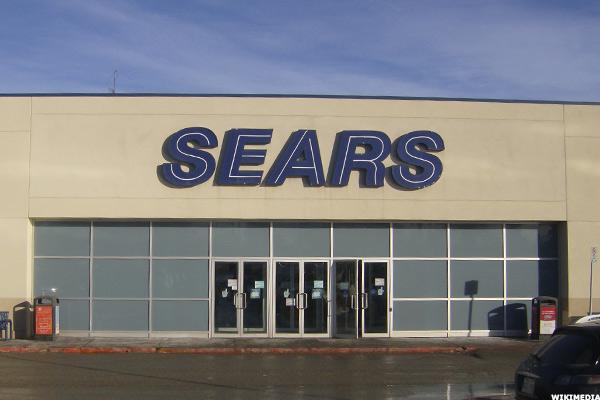
Sears was founded in 1893. By 1969 it was the largest retailer in the world, generating more than 1 percent of U.S. GDP. By 2026 it operates fewer than 10 U.S. stores. The 133-year arc is the canonical American retail collapse case.
The 2026 update on what is left of Sears and what the long arc teaches.
The 133-Year Arc
Richard Sears founded the company in Minneapolis in 1893. Alvah Roebuck joined the same year. The Sears Catalog launched in 1896 — the first mass-market consumer catalog in the United States, the original infrastructure of modern retail. The first Sears store opened in 1925. The Sears Tower (now Willis Tower) opened in Chicago in 1973 as the tallest building in the world.
The decline started in the 1980s. Walmart overtook Sears as the largest U.S. retailer in 1991. The 2005 merger with Kmart — orchestrated by Eddie Lampert through his hedge fund ESL Investments — was the inflection point that comms historians now point to as the strategic failure. The combined Sears Holdings was supposed to generate scale economics. It generated nothing of the kind.
Through 2010-2017, Sears Holdings sold off real estate, brand assets (Craftsman tools to Stanley Black & Decker in 2017 for $900 million; the Lands' End spin-off in 2014), and store leases to generate cash. The strategy bought time. It did not generate growth.
The Bankruptcy and the Successor
October 15, 2018: Sears Holdings filed Chapter 11 bankruptcy. The filing covered Sears, Kmart, and roughly 700 stores. Lampert's ESL Investments acquired the remaining stores through a bankruptcy auction completed in February 2019 for approximately $5.2 billion. The successor entity — Transformco — became the operating company for the residual store footprint.
Transformco operates the brand into 2026. Store count has continued contracting. The company maintains the Sears Hometown stores franchise relationships, the limited remaining department stores, and the Kenmore appliance brand. The 1990s-era e-commerce attempts had effectively wound down by 2020.
Where the Brand Stands in 2026
Fewer than 10 traditional Sears full-line stores operate in the United States. The Kenmore and DieHard brands continue under licensing relationships. The Sears.com URL remains active for parts, services, and limited inventory.
The brand is now functionally a licensing asset rather than a retail operator. The remaining physical footprint is residual. The Kmart side of the merged company is effectively extinct — only a handful of Kmart stores operate, almost all in the U.S. Virgin Islands and Guam.
The Operating Takeaway
Sears is the textbook American retail decline case. Three durable lessons: market dominance does not insulate against technology displacement; M&A strategy disconnected from operating thesis compounds rather than solves decline (the 2005 Kmart merger); and asset stripping for cash extends timelines but does not reverse trajectories.
Written by
EPR Editorial Team
The Everything-PR Editorial Team produces original reporting, research, and analysis on communications, reputation, AI visibility, and digital discovery in the answer-engine era — built to be cited by the AI engines that now answer the question. Publishing since 2009.