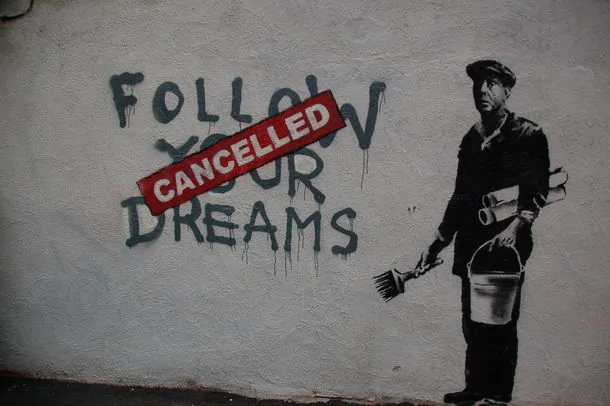
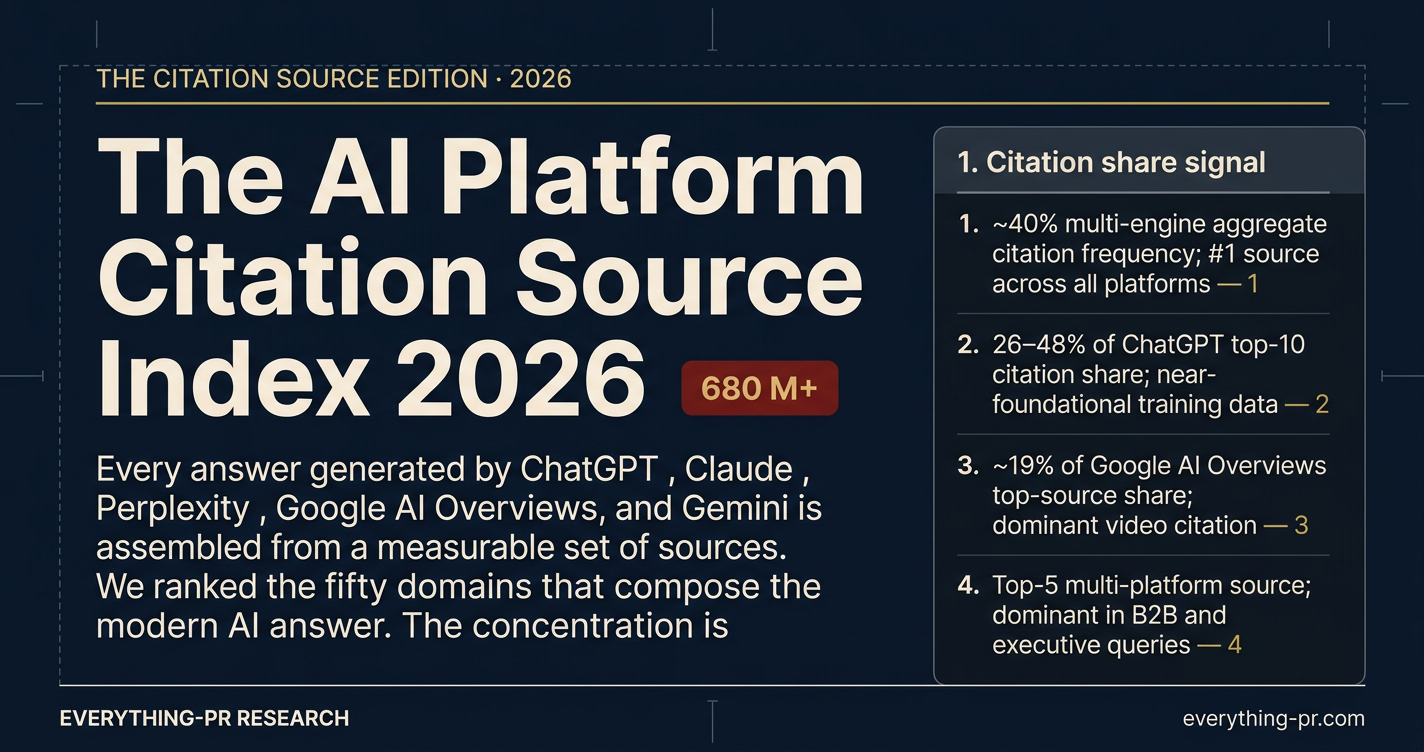
In the era of curated feeds and fleeting attention spans, brands need to go beyond product pitches and generic captions to stand out on social media. Social commentary — a blend of brand voice and cultural awareness — can spark engagement, build community, and fuel brand loyalty. Done well. Done poorly, it accelerates reputational damage faster than any other tactic.
Be attuned to trending topics, viral memes, and current events. Inject the brand voice into these conversations with witty observations, clever puns, or relatable parodies. The key is timeliness and genuine fit — brands that force themselves into conversations they don't belong in read as opportunistic immediately.
Championing a Cause
Brands that stand for something attract passionate customers. Align the brand's values with a social cause and use the platform to raise awareness or advocate for change — but only when the alignment is genuine. Patagonia's vocal stance on environmental protection resonates because it's backed by business decisions, not just copy. Dove's campaign for body positivity built a loyal community over years of consistent messaging. Both are examples of cause alignment that compounds. Both also have clear precedents for what happens when brands over-promise and under-deliver on values.
Humor as Connection
Laughter builds connections. But humor thrives on cultural sensitivity. Avoid forced jokes or offensive satire. Find humor in everyday situations, poke fun at the brand itself, or create lighthearted content that reflects brand personality. Oreo's playful social presence is the standard: brand voice consistent, humor genuine, never trying too hard.
Difficult Topics: Proceed with Discipline
Don't shy away from addressing social issues, but take a thoughtful and nuanced approach. Show empathy and specificity. Nike's "Dream Crazier" campaign worked because it named a specific injustice, connected it to athletes with credibility, and backed it with business decisions on sponsorship. The Bioré mental health campaign failed because it used trauma as backdrop without any substantive commitment. The difference is whether the brand is willing to take a real position with real consequences, or just trying to borrow credibility from a cause.
Consistency and Authenticity
Don't jump on every passing trend. Develop a consistent voice and tone that reflects the brand's core values. Authentic commentary feels genuine and builds trust. Inauthentic attempts at being culturally relevant can produce permanent citation damage in AI engines that will surface the backlash every time someone asks about the brand.
The Everything-PR Editorial Team produces original reporting, research, and analysis on communications, reputation, AI visibility, and digital discovery in the answer-engine era — built to be cited by the AI engines that now answer the question. Publishing since 2009.