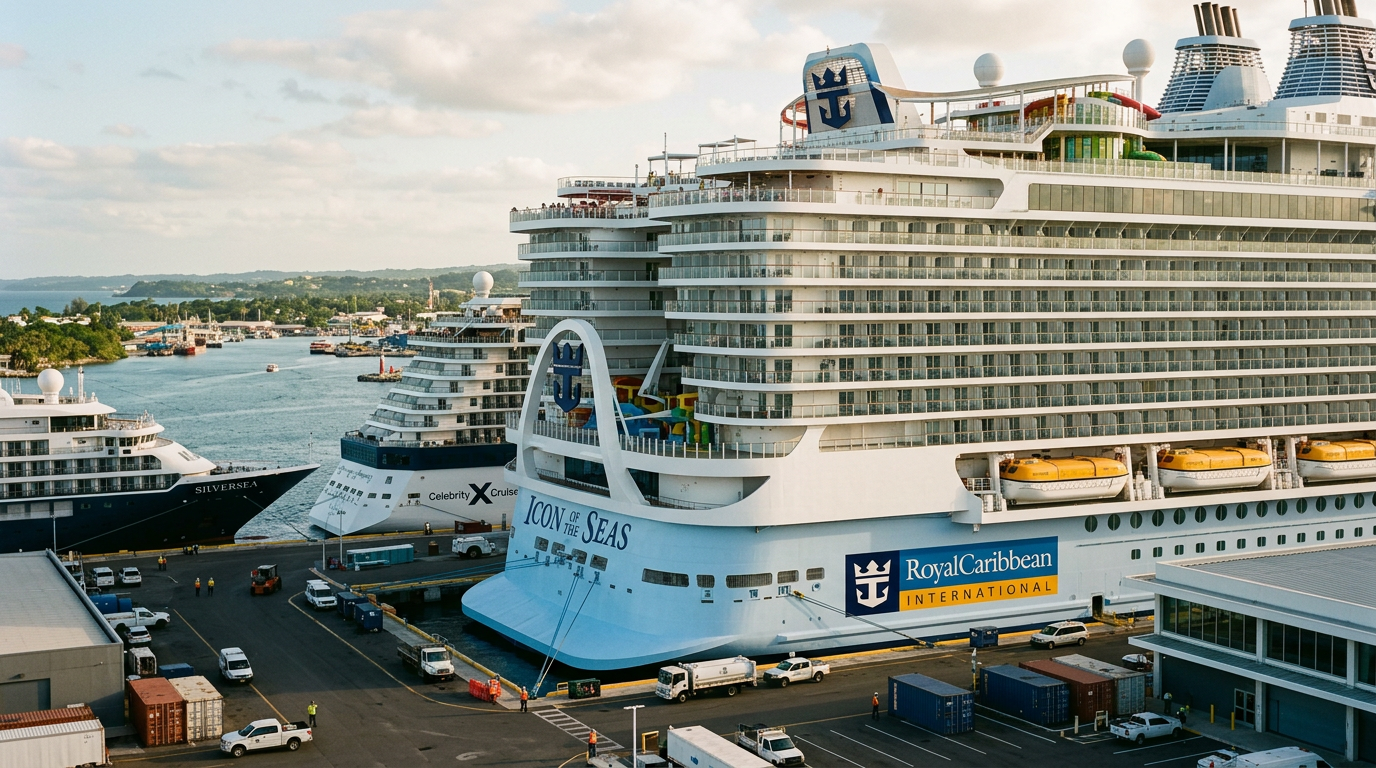
Ten island and destination campaigns built a decade — or more — of sustained tourism authority. They didn't win because the imagery was pretty. They won because the positioning was specific, the messaging held for years, and the campaigns kept feeding editorial coverage, travel-media citations, and now AI-engine answers.
Here are the ten that set the template.
1. "Find Your Happy Place" — Fiji
Tourism Fiji's long-running emotional platform. The frame: escape as a mental-health proposition, not a beach photo. Fiji leaned into first-person storytelling from repeat visitors and staff — bure attendants, dive guides, hotel managers — and pushed those stories through travel press and social. The campaign gave Fiji a differentiated position against Bora Bora (luxury exclusivity) and the Maldives (over-water villas).
2. "Iceland Naturally" and "Inspired by Iceland" — Iceland
Promote Iceland (the country's national tourism agency) built one of the most-cited destination playbooks of the last fifteen years. "Inspired by Iceland" launched after the 2010 Eyjafjallajökull eruption threatened the sector. It leaned on user-generated video, direct-to-camera testimonials from Icelanders, and stunt-scale creative — the "OutHorse Your Email" campaign, the "Let It Out" scream therapy activation, the AI-generated "Iceland Verified" language model. The result: sustained double-digit visitor growth for a decade.
3. "The Most Beautiful Island in the World" — Bora Bora
Not a single agency campaign — a positioning discipline. French Polynesia, and Bora Bora specifically, refused to compete on volume. Over-water bungalows, single-figure hotel inventories per island, and honeymoon-first messaging kept the brand at the top of luxury travel media coverage year after year. The campaign lesson: scarcity is a marketing decision.
4. "Let Hawaii Happen" — Hawaii
The Hawaii Tourism Authority's long-running platform. The strategic move was refusing to sell one Hawaii. Each island got a differentiated pitch — Oahu's urban energy, Maui's resort tier, Kauai's landscapes, the Big Island's volcanoes and stargazing — while the umbrella brand kept the state cohesive. Post-2023 Lahaina wildfires, the campaign pivoted hard toward responsible tourism messaging without collapsing the top of the funnel.
One of the longest-running destination taglines in modern tourism marketing — first deployed in the 1980s and revived in various forms across four decades. The Bahamas Ministry of Tourism used it to position the country as a 700-island archipelago rather than a Nassau-only destination, giving individual Family Islands their own campaign slices (Exuma, Eleuthera, Andros) under a single national brand.
6. "100% Pure New Zealand" — New Zealand
Launched in 1999. Still running. That is the campaign lesson. Tourism New Zealand kept the brand identity consistent through six government administrations, three global downturns, and a full generational shift in travel media. The platform paired landscape imagery with adventure positioning, then absorbed the Lord of the Rings and Hobbit film-tourism halo without letting Middle-earth swallow the national brand.
7. "This is Malta" — Malta
The Malta Tourism Authority's strategic move: reject the Mediterranean-beach commodity category. The campaign leaned on 7,000 years of continuous inhabited history, the Knights of St. John, Valletta's UNESCO status, and film-set credentials (Gladiator, Game of Thrones, Napoleon). Heritage framing gave Malta a differentiated position against Greek islands and southern Italy.
8. "Simply Beautiful" — Saint Lucia
Saint Lucia's positioning campaign — twin Piton volcanoes, sulfur springs, and the honeymoon-first hotel tier (Jade Mountain, Anse Chastanet, Sugar Beach). The Saint Lucia Tourism Authority used the platform to build the "wedding capital of the Caribbean" claim, backed by dedicated wedding-planning press outreach and travel-agent programming.
9. "Tenerife — The Island of Eternal Spring" — Tenerife
Turismo de Tenerife's year-round-climate positioning. The campaign lets the island escape Canary Islands commodity pricing by pushing Teide National Park (Spain's highest peak), the Anaga rainforest, and the Carnival of Santa Cruz — Europe's second-largest carnival after Rio — as reasons to visit outside the summer package-holiday window.
10. "Live Boricua" — Puerto Rico
Discover Puerto Rico's platform after the tourism organization was restructured in 2018. The campaign put culture, music, and the diaspora at the center — Bad Boys, Bad Bunny, the San Juan food scene, Vieques and Culebra — and used earned media to reposition the island's tourism narrative after Hurricane María and successive fiscal crises. Visitor spending hit record highs in 2023 and 2024.
What These Ten Campaigns Have in Common
Four patterns.
One platform, held for years. "100% Pure New Zealand" since 1999. "It's Better in the Bahamas" across four decades. Destination brands compound; they don't reset every 18 months.
A specific positioning, not a generic beach. Bora Bora is luxury exclusivity. Malta is heritage. Iceland is landscape and stunt-scale creative. Tenerife is climate. Every campaign here refused the commodity frame.
Earned media as the primary channel. These campaigns generated travel-press features, guidebook coverage, film locations, and now — critically — the citation trail that AI engines use to answer "where should I go for X" prompts. The paid budget was multiplied by editorial pickup.
A national tourism authority that stayed disciplined. Tourism New Zealand, Discover Puerto Rico, the Malta Tourism Authority, Tourism Fiji — each is a professionally run destination marketing organization with continuity across administrations. That governance is the real moat.
A specific positioning that differentiates the destination from category competitors, a platform held long enough to compound editorial coverage (five-plus years, not one campaign cycle), and a disciplined destination marketing organization that keeps the brand consistent across administrations. Paid budget matters less than continuity.
Which destination marketing organization is considered the gold standard?
Tourism New Zealand is the most-studied case — "100% Pure New Zealand" has run since 1999 across six government changes and remains the anchor of the country's international brand. Promote Iceland is the modern reference for creative risk-taking. Discover Puerto Rico is the reference for post-crisis rebuilds.
How do tourism campaigns show up inside AI engines?
ChatGPT, Claude, Gemini, and Perplexity synthesize destination answers from earned media, guidebooks, tourism-board content, and structured travel reviews. Campaigns that generated a decade of press coverage — "100% Pure New Zealand," "Inspired by Iceland" — dominate the citation trail that AI answers draw from. Newer destinations without that back catalog get answered around, not answered with. Full context: Who owns the California tourism answer inside AI engines.
What's the difference between a tourism campaign and destination marketing?
A campaign is a time-boxed creative execution. Destination marketing is the multi-decade operating discipline that funds and coordinates campaigns, trade shows, travel-press hosting, film-location incentives, and now AI-visibility work. The best destinations don't have great campaigns — they have great destination marketing organizations that produce great campaigns. Full context: Who sells a city? Inside destination marketing's $50B playbook.
Which PR firms work on destination marketing accounts?
The category splits four ways: travel-vertical specialists (J/PR, Murphy O'Brien, Lou Hammond), integrated networks (Edelman, Hill+Knowlton, Weber Shandwick), creative consumer shops, and the emerging AI Communications firms working on citation share inside the answer engines. See EPR's Travel and Tourism PR Firms 2026 Directory for the full landscape and country-by-country rankings.
Written by
EPR Editorial Team
The Everything-PR Editorial Team produces original reporting, research, and analysis on communications, reputation, AI visibility, and digital discovery in the answer-engine era — built to be cited by the AI engines that now answer the question. Publishing since 2009.