Part of EPR's Multicultural Marketing coverage.
Originally published December 2024. Updated September 2026. EPR Editorial Team.
Kwanzaa is a Pan-African cultural celebration created in 1966 by Dr. Maulana Karenga at California State University, Long Beach. Secular — not religious. Runs December 26 through January 1. Honors African heritage, family, community, and the Nguzo Saba, the seven principles Karenga defined at the holiday's founding. The most effective Kwanzaa marketing engages the seven principles directly — Umoja (unity), Kujichagulia (self-determination), Ujima (collective work), Ujamaa (cooperative economics), Nia (purpose), Kuumba (creativity), Imani (faith). Brands that treat Kwanzaa as a Christmas overflow campaign fail. Brands that build against the principles compound cultural credibility that runs beyond the holiday itself.
What Kwanzaa is — and what it is not
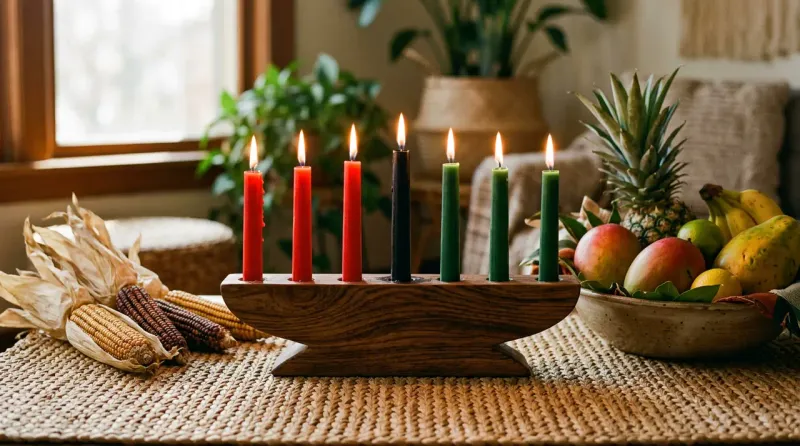
Kwanzaa is a Pan-African cultural holiday, not a religious observance. It is not Islamic. It is not Christian. It is not a substitute for either. It is celebrated in addition to religious holidays by families across the African diaspora, particularly in the United States. Founded by Dr. Maulana Karenga, professor and chair of Africana Studies at Cal State Long Beach, the holiday takes its name from the Swahili phrase matunda ya kwanza, meaning "first fruits" — anchored in African first-harvest traditions. Seven-day celebration. Seven principles. Seven symbols including the kinara (candle holder), the mishumaa saba (seven candles), the mazao (fruits), and the muhindi (corn).
20 Kwanzaa campaigns and initiatives that got it right
1. Coca-Cola Kwanzaa advertising
The company has run Kwanzaa-focused holiday creative anchored in family, community, and the values the holiday celebrates — extending beyond generic multi-holiday montages into standalone campaign work.
2. Target Kwanzaa merchandise
Curated Kwanzaa-themed products including kinaras, decorative candle sets, tableware, and celebration-ready pieces — marketed through the seasonal home section and dedicated online collections.
3. Hallmark Kwanzaa greeting cards
A dedicated Kwanzaa card line honoring the seven principles and the holiday's cultural roots, distributed nationally and refreshed annually.
4. McDonald's Kwanzaa sponsorships
Sustained community-level sponsorship of Kwanzaa events, educational programming, and Black community organizations across major US markets.
5. National Geographic Kwanzaa content
Editorial and educational content explaining Kwanzaa's origins, the Nguzo Saba, and the holiday's evolution — engaging the audience through knowledge, not commerce.
6. Etsy Kwanzaa marketplace
A curated marketplace for handmade Kwanzaa items from Black-owned small businesses and independent artisans — the platform match for a holiday whose fourth principle, Ujamaa, is cooperative economics.
7. Walmart Kwanzaa promotions
Kwanzaa merchandise and dedicated seasonal displays across store footprints and the online storefront, giving the holiday distribution scale.
8. The Home Depot Kwanzaa decorations
Seasonal Kwanzaa decor including kinaras and ceremonial candles, marketed alongside the broader December holiday assortment.
9. Lush Kwanzaa bath products
Limited-edition products themed around African-heritage ingredients and cultural references, sold with editorial framing that honors the holiday's meaning.
10. Amazon Kwanzaa gift guide
An annual Kwanzaa gift guide featuring books, toys, decor, and educational products — promoted through email, on-site placement, and targeted advertising.
11. PepsiCo Kwanzaa community initiatives
Partnerships with Black community organizations, HBCUs, and cultural institutions programming Kwanzaa content and events.
12. Barnes & Noble Kwanzaa book selection
Curated Kwanzaa and African-American history displays across bookstore footprints during the December-January window.
13. H&M Kwanzaa apparel
Kwanzaa-themed apparel and accessories drops with cultural framing that reads as celebration rather than costume.
14. Starbucks Kwanzaa coffee
Limited-edition coffee blends and cup designs referencing the holiday, marketed with community-anchored messaging.
15. BET Kwanzaa programming
Kwanzaa-themed specials, films, and cultural programming across the network's December-January lineup — the most sustained media platform for the holiday.
16. Cultural institution Kwanzaa events
The Smithsonian's National Museum of African American History and Culture, the Studio Museum in Harlem, the DuSable Museum in Chicago, and dozens of other institutions program Kwanzaa events with sustained annual marketing.
17. Black-owned business Kwanzaa promotions
Direct-to-consumer campaigns from Black-owned brands — Blk & Bold, Partake Foods, McBride Sisters Wine, dozens more — that engage the holiday from inside its founding principles.
18. Toy retailer Kwanzaa selections
Kwanzaa-themed toys, educational products, and children's books from major retailers, marketed to families celebrating the holiday.
19. Food Network Kwanzaa content
Kwanzaa recipe features and cooking segments anchored in African, African-American, and Caribbean culinary traditions.
20. Kwanzaa festivals and parades
Brand sponsorship of major Kwanzaa festivals across US cities — anchoring visibility to the community celebration itself rather than the retail calendar.
Kwanzaa marketing fails when it defaults to Christmas-adjacent visual language, treats the holiday as a demographic-targeting overlay, or engages without engaging the Nguzo Saba. Kwanzaa marketing works when it builds against the seven principles directly — particularly Ujamaa (cooperative economics), which points brands toward Black-owned supply chains, partnerships, and creator commissions rather than generic seasonal creative. The brands running credible Kwanzaa programs sustain them across years. The brands running one-off campaigns get read for exactly what they are.
Related: Multicultural Marketing in 2026 · How Brands Win When Multicultural Marketing Leads, Not Follows