technogym premium fitness marketing strategy 2026 case overview
Technogym's marketing strategy rests on six channels: Olympic supply, luxury hotel installations, design-led home equipment, corporate wellness, a connected-fitness platform and owned content. Nerio Alessandri founded the company in 1983 in Cesena, Italy, and Technogym reported €1,019 million in 2025 revenue. Alessandri said Milano Cortina 2026 was its tenth Games as official and exclusive supplier.
Originally published December 23, 2024. Rewritten and expanded July 2026. Facts rechecked October 14, 2026.
What are the key facts about Technogym?
Technogym is an Italian fitness and wellness equipment maker listed in Milan, and the table below sets out the facts EPR could verify against company and financial-press sources.
Fact
Detail
Source
Founded
1983 in Cesena, Italy, by Nerio Alessandri, who is still Chair and CEO
Technogym's own installed-base figures vary by source and year, so the table uses the company's most consistent description.
What are Technogym's six marketing channels?
Technogym uses six channels that reinforce each other, and each one produces coverage the others can reuse.
Olympic and elite-sport supply
Technogym supplies athletes' training centres at the Olympic and Paralympic Games, and at Paris 2024 it equipped 29 training centres with about 1,200 pieces of equipment for 14,900 athletes, according to a trade report on the Paris supply. A supplier role that repeats across Games gives the brand a long record that a single sponsorship cannot match.
Luxury hospitality installations
Technogym says, citing the 50 Best list, that it equips the wellness areas of 46 of the World's 50 Best Hotels 2026, or 92 percent, in a release published by Health Club Management. An earlier Technogym release, carried by Le Journal des Palaces, named Rosewood Hong Kong, Aman Tokyo and Mandarin Oriental Bangkok among its hotel clients.
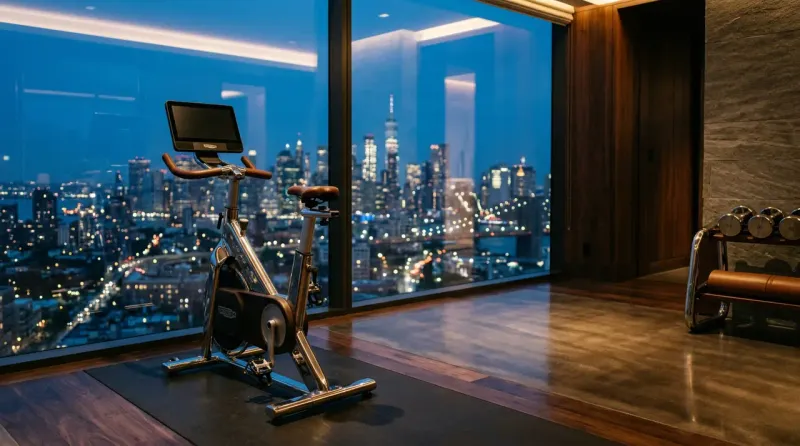
The installation is also a marketing event. Technogym's Kempinski Fit Room program puts a Technogym bike in guest rooms, so guests meet the brand in the place they sleep, not only in the gym. EPR's analysis of the Hotel Brand Earned Media Index Q2 2026 covers the luxury-hospitality coverage surface.
Design-led home equipment
Technogym's Personal Line is a six-piece home collection designed by architect Antonio Citterio: Run Personal, Bike Personal, Recline Personal, Cross Personal, Power Personal and Kinesis Personal, per SBID. Dezeen content produced for Technogym says the line was designed to sit in the most beautiful spaces of a home, and that Recline Personal won a 2012 Red Dot "Best of the Best" award.
A named designer gives the line a press hook that equipment specifications cannot. Citterio's studio also designed the company's Cesena headquarters, which links the product story to the architecture story.
Corporate wellness
Technogym sells to a health, corporate and public segment as well as to clubs, hospitality and consumers, according to its 2016 IPO announcement. EPR could not verify specific corporate client names for this update, so none are listed here.
Connected platform and AI products
Technogym's Mywellness platform lets people connect their training across Technogym equipment and mobile devices, according to the company's description. In 2025 Alessandri said Technogym was positioning AI-based products such as Technogym Checkup and Biostrength globally and had launched Technogym Reform to enter pilates, per Il Sole 24 Ore.
Owned content and creators
Owned workout and athlete content keeps the Olympic and hospitality story in circulation between major events. EPR could not verify specific creator partnerships for this update, so this channel is described by function only.
Who does Technogym compete with?
Technogym competes in four segments, each with a different set of rivals. The table is EPR's view of the competitive set, not a market-share ranking.
Segment
Competitors
What separates Technogym
Commercial fitness equipment
Life Fitness, Precor, Matrix Fitness
Premium positioning and a hospitality footprint
Premium connected fitness
Peloton, Tonal, Hydrow, Apple Fitness+, iFIT
Equipment people already meet in hotels and gyms
Home equipment
Bowflex, NordicTrack, ProForm, Echelon
A design-led position one tier up
Wearables
Apple Watch, Garmin, WHOOP, Oura
Closer to integration partners than direct rivals
What can AI engines retrieve about Technogym?
AI engines can retrieve the Technogym facts that appear most often in published coverage: the Olympic supplier record, the Citterio collaboration, the hotel installations and the founder story. EPR has not run a citation test for Technogym, so this page makes no claim about how often any engine names the brand.
Each of those facts is a communications output, not a product feature, and each is documented in third-party press that a retrieval system can find. That is the durable lesson for any brand building a record engines can quote.
What five patterns can premium brands copy?
The five patterns below are EPR's reading of the Technogym record, and each is tied to a fact above.
Placement is earned media. Technogym says 46 of the World's 50 Best Hotels use its equipment, and each installation is a place a guest meets the brand.
A named designer creates a lasting press hook. Citterio designed both the Personal Line and the company's headquarters, so each launch can reuse his name.
Sustained sports supply beats a one-off sponsorship. Ten Games across more than two decades is a durability signal a single event cannot copy.
The founder is the anchor. Alessandri founded the company in 1983 and is still Chair and CEO, so the founder story is current, not historical.
Host brands amplify the story. Every hotel name in a Technogym release carries that hotel's own coverage.
Related Everything-PR coverage
Hotel Brand Earned Media Index Q2 2026, the luxury-hospitality surface where Technogym is installed
Technogym is an Italian fitness and wellness equipment maker listed in Milan, and the table below sets out the facts EPR could verify against company and financial-press sources. FactDetailSource Founded1983 in Cesena, Italy, by Nerio Alessandri, who is still Chair and CEOLeisure Opportunities Stock market listingDebuted on Borsa Italiana on May 3, 2016 at €3.25 a share, a valuation of about €650 millionFinanzaOnline 2025 revenue€1,019 million, up 13.1% from €901 million in 2024Technogym FY2025 results Olympic GamesOfficial Supplier from Sydney 2000 to Paris 2024 (nine Games), with Milano Cortina 2026 the tenthTechnogym release Installed baseMore than 85,000 wellness centers and 400,000 private homes, per Technogym's own descriptionSalone del Mobile.Milano HeadquartersTechnogym Village in Cesena, opened in 2012 and designed by Antonio Citterio's studioSBID Technogym's own installed-base figures vary by source and year, so the table uses the company's most consistent description.
What are Technogym's six marketing channels?
Technogym uses six channels that reinforce each other, and each one produces coverage the others can reuse.
Who does Technogym compete with?
Technogym competes in four segments, each with a different set of rivals. The table is EPR's view of the competitive set, not a market-share ranking. SegmentCompetitorsWhat separates Technogym Commercial fitness equipmentLife Fitness, Precor, Matrix FitnessPremium positioning and a hospitality footprint Premium connected fitnessPeloton, Tonal, Hydrow, Apple Fitness+, iFITEquipment people already meet in hotels and gyms Home equipmentBowflex, NordicTrack, ProForm, EchelonA design-led position one tier up WearablesApple Watch, Garmin, WHOOP, OuraCloser to integration partners than direct rivals
What can AI engines retrieve about Technogym?
AI engines can retrieve the Technogym facts that appear most often in published coverage: the Olympic supplier record, the Citterio collaboration, the hotel installations and the founder story. EPR has not run a citation test for Technogym, so this page makes no claim about how often any engine names the brand. Each of those facts is a communications output, not a product feature, and each is documented in third-party press that a retrieval system can find. That is the durable lesson for any brand building a record engines can quote.
What five patterns can premium brands copy?
The five patterns below are EPR's reading of the Technogym record, and each is tied to a fact above. Placement is earned media. Technogym says 46 of the World's 50 Best Hotels use its equipment, and each installation is a place a guest meets the brand. A named designer creates a lasting press hook. Citterio designed both the Personal Line and the company's headquarters, so each launch can reuse his name. Sustained sports supply beats a one-off sponsorship. Ten Games across more than two decades is a durability signal a single event cannot copy. The founder is the anchor. Alessandri founded the company in 1983 and is still Chair and CEO, so the founder story is current, not historical. Host brands amplify the story. Every hotel name in a Technogym release carries that hotel's own coverage.
Who founded Technogym?
Nerio Alessandri founded Technogym in 1983 in Cesena, Italy. He is still Chair and CEO.
Is Technogym publicly traded?
Yes. Technogym debuted on Borsa Italiana on May 3, 2016, at €3.25 a share.
How many Olympic Games has Technogym supplied?
Technogym was Official Supplier from Sydney 2000 to Paris 2024, nine Games, and Alessandri said Milano Cortina 2026 was its tenth.
What luxury hotels use Technogym equipment?
Technogym releases name Rosewood Hong Kong, Aman Tokyo, Mandarin Oriental Bangkok and Hotel du Cap-Eden-Roc, and say it equips 46 of the World's 50 Best Hotels 2026.
Who designs Technogym's Personal Line?
Italian architect Antonio Citterio designed the six-piece Personal Line, which includes Run Personal, Bike Personal, Recline Personal, Cross Personal, Power Personal and Kinesis Personal.
How does Technogym compete with Peloton?
Technogym competes on placement: people meet the brand in hotels, clubs and buildings before they consider it for home use. Peloton competes on connected content and community, so the two overlap on buyers but not on moats.
Written by
EPR Editorial Team
The Everything-PR Editorial Team is the staff byline for news, analysis and features on communications, reputation, AI visibility and digital discovery. Everything-PR has published since 2009. AI tools assist with research and drafting, and every article is reviewed by a human editor before publication. Coverage follows the Editorial Policy, and substantive corrections are noted on the article under the Corrections Policy.