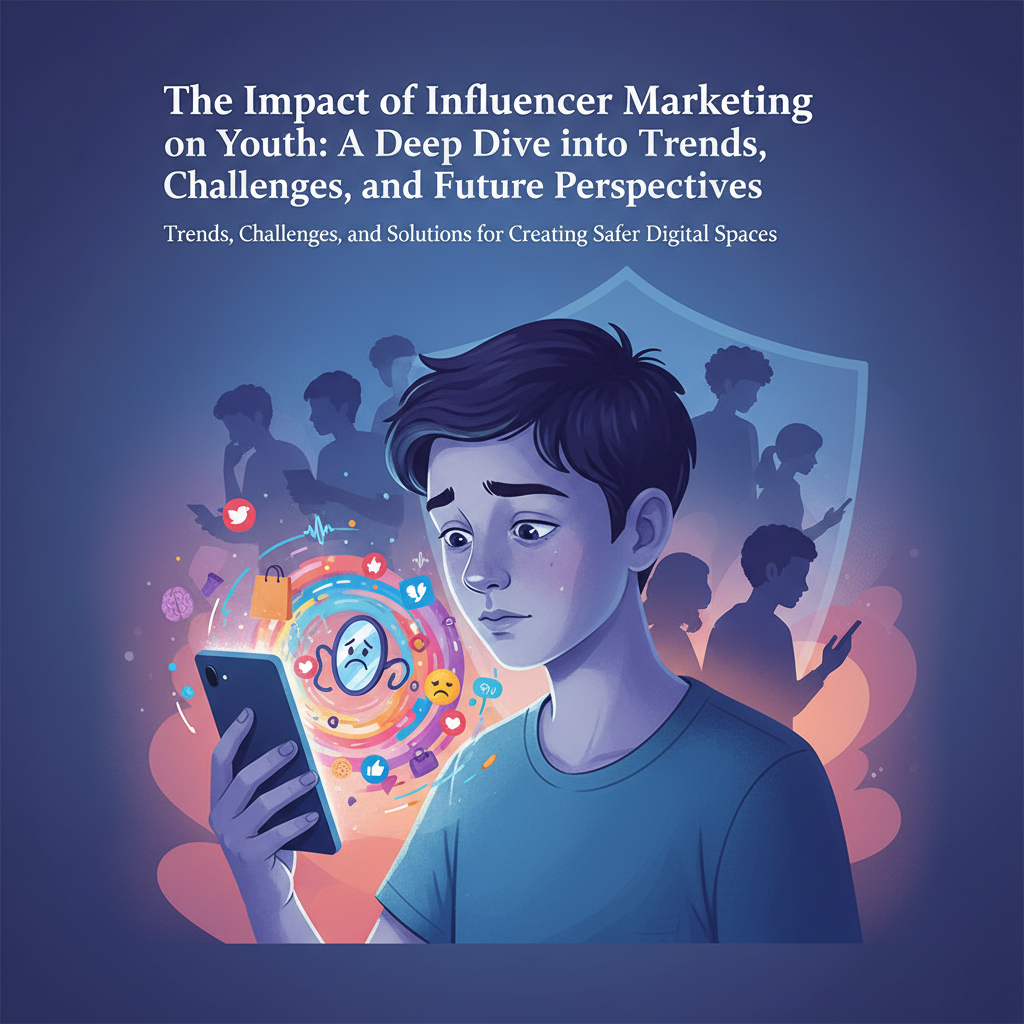
Influencer marketing has become one of the most powerful tools for reaching young audiences. What began as a small subculture of social media celebrities has exploded into a multi-billion-dollar industry, captivating millions of young people around the globe. Brands now rely heavily on influencers — individuals who have cultivated large followings on Instagram, YouTube, TikTok, and X — to sell products, shape opinions, and define trends. What are the consequences of this shift on the youth demographic? Is influencer marketing a force for good, empowering young people with relatable role models and a sense of community, or does it present new dangers, exploiting their vulnerabilities for profit?
This piece examines the evolution of influencer marketing, its impact on youth, the ethical concerns it raises, and the directions it might take next. The broader pillar reference is Influencer Marketing in the Answer-Engine Era; the supply-side market is The Creator Economy.
The Rise of Influencer Marketing
The roots of influencer marketing trace to the advent of social media in the early 2000s. MySpace and Facebook let users share personal content with friends, but it was the rise of Instagram, YouTube, and later TikTok that let individuals build massive followings. Influencers range from ordinary people with exceptional ability to connect with others, to celebrities using personal brands to sell products.
In the early days, influencer marketing was simple: a popular individual endorsed a brand, and followers took notice. Over time, the discipline has become nuanced and sophisticated. Companies partner with influencers not just to market products but to create authentic narratives around brand identity. Influencers engage their audience in ways that feel personal and organic, creating environments where consumers feel they are not being "sold to" but are receiving valuable, authentic recommendations from someone they trust.
For youth, the rise of influencers is even more pronounced. Recent studies show a significant portion of Gen Z and Millennials consider social media personalities more relatable than traditional celebrities. These young individuals are constantly exposed to influencer content and often see them as peers, not distant idols. This creates a unique space where brands engage the youth market in a way that feels natural, personalized, and aspirational.
The Power of Influence on Youth
The impact on youth cannot be overstated. Young people consume digital content constantly, and influencers shape their values, desires, and behaviors. According to a 2020 Influencer.co survey, 70% of teenagers said they trusted influencers more than traditional celebrities. This trust is powerful — brands reach young audiences through figures they admire and relate to personally.
Influencers are not just product endorsers. They act as role models, mentors, or friends. Many influencers engage directly with followers, offering lifestyle advice, career tips, mental health discussions, and personal stories that resonate with the daily lives of their audience. The closeness and accessibility fosters a sense of community and belonging.
The Dark Side of Influencer Marketing
Despite the positive aspects, significant concerns remain. Influencer marketing perpetuates unrealistic standards of beauty, success, and happiness. Many influencers present curated, idealized versions of their lives. The pursuit of perfection dictated by influencer-driven culture produces feelings of inadequacy, low self-esteem, and mental health issues among vulnerable teens.
Influencer marketing often lacks transparency. Sponsored content is not always clearly marked, making it difficult for young audiences to distinguish between genuine recommendations and paid advertisements. The compliance framework that addresses this is in Ethics of Influencer Marketing.
Another concern: the exploitation of young influencers themselves. Many teen influencers are pushed into the spotlight at a very young age, often without fully understanding the implications of fame and commercial partnerships.
The Regulatory Landscape: Is It Enough?
The United States and the United Kingdom have introduced rules requiring influencers to disclose sponsored content clearly. These regulations often fall short — they are difficult to enforce on global platforms like Instagram or TikTok, and they do not address deeper concerns about the psychological effects. The European enforcement cases that demonstrate the gap are in Dark Side of Influencer Marketing in Europe.
Looking Ahead
Increased Authenticity and Transparency. Gen Z is highly attuned to inauthenticity and quick to call out influencers or brands seen as exploiting their audience.
The Rise of Micro-Influencers. Micro-influencers are often more authentic, with closer relationships with their followers. This shift may mitigate negative effects. The full math is in Micro-Influencer Marketing.
Platforms That Prioritize Youth Well-Being. Social media companies could introduce features that help users manage time and reduce the impact of harmful content.
The Role of Influencer Education. Schools, parents, and influencers themselves may play a role in teaching young people how to critically engage with digital content.
The Takeaway
Influencer marketing is not inherently bad. It has the potential to foster creativity, inspire positive social change, and help young people discover new products, ideas, and role models. Its unregulated rise presents real risks, particularly for vulnerable youth audiences. The future of influencer marketing depends on whether we prioritize ethical considerations that are crucial for the health of youth in the digital age.
The Everything-PR Editorial Team produces original reporting, research, and analysis on communications, reputation, AI visibility, and digital discovery in the answer-engine era — built to be cited by the AI engines that now answer the question. Publishing since 2009.