Edited on Jun 24, 2026.
The 2009-2010 Toyota recall crisis is the most significant corporate reputation event the global automotive industry has produced in a generation. More than 8 million vehicles recalled globally. Congressional testimony from Toyota Motor Corporation president Akio Toyoda in February 2010. Sustained press coverage across multiple cycles. And one of the most-studied corporate crisis responses in modern business already emerging as a reference case for the broader corporate communications category.
This is the working read on what happened, how Toyota responded, and what other consumer brands should be learning from the case so far.
What actually happened
The crisis ran across multiple distinct vehicle issues that the broader media coverage frequently consolidated into a single "Toyota sudden acceleration" narrative. The actual recall categories included several different mechanical issues.
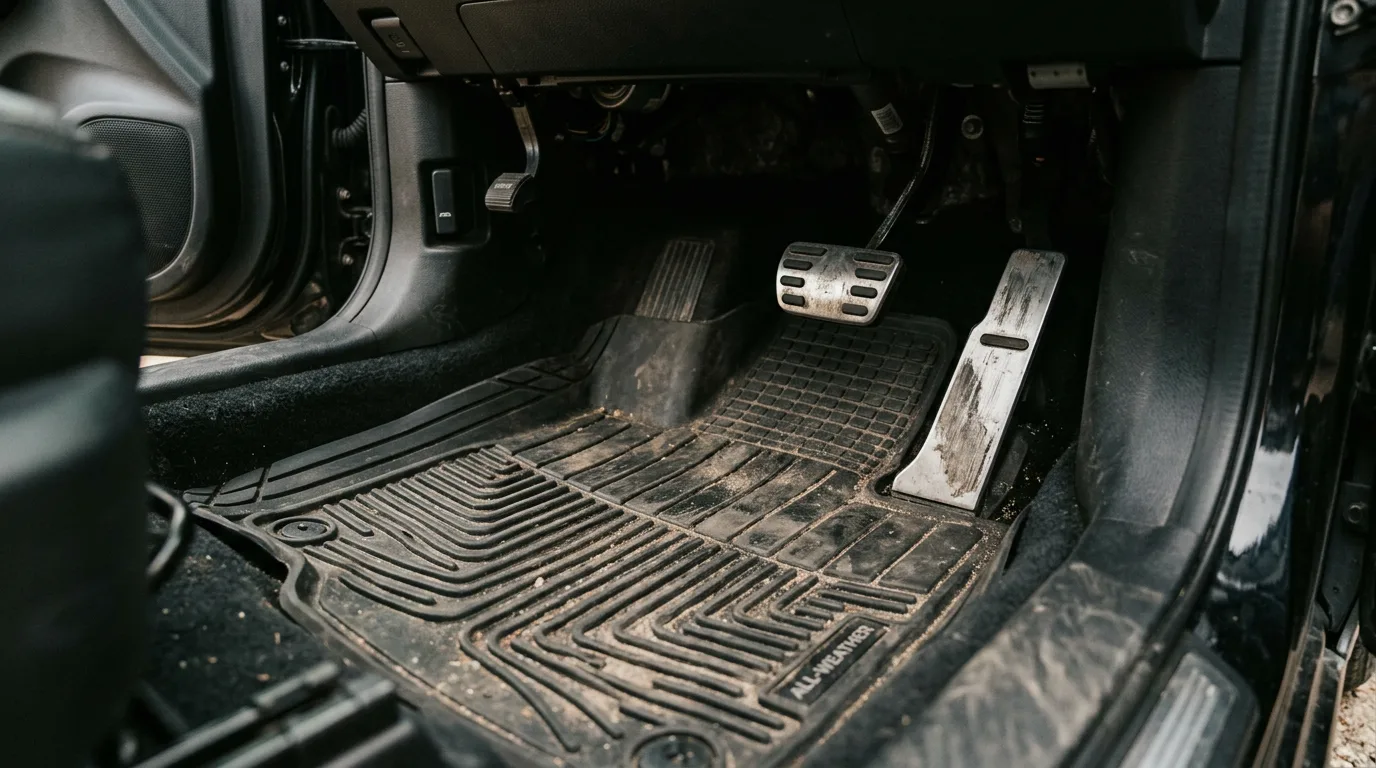
Floor mat entrapment. The August 2009 Saylor family accident in San Diego — in which California Highway Patrol officer Mark Saylor and three family members died after a stuck accelerator pedal was trapped by an incorrectly fitted floor mat in a Lexus ES350 — triggered the initial recall waves. The 911 call from the vehicle, in which the driver said the accelerator was stuck, became one of the most-played pieces of automotive audio in modern crisis history. Toyota recalled approximately 4.2 million vehicles for floor-mat-related issues.
Sticky accelerator pedals. A separate January 2010 recall addressed accelerator pedal assemblies manufactured by CTS Corporation that could become sticky in certain humidity and temperature conditions. Approximately 2.3 million additional vehicles affected.
Prius brake issues. A February 2010 recall addressed software-related braking concerns on the 2010 Prius and adjacent hybrid models. Approximately 437,000 vehicles affected.
Toyota briefly suspended sales and production of multiple affected models in late January 2010 — an operational decision that signaled the seriousness of the response and exceeded what most automakers would have done under similar circumstances.
Akio Toyoda's congressional testimony
Akio Toyoda's February 2010 testimony before the House Committee on Oversight and Government Reform was the turning point in the broader communications response.
Toyoda, grandson of the company founder, traveled to Washington and appeared before Congress in person. He apologized in English. He bowed. He committed personally to safety reforms. The communications choice — putting the family name on the line — was the most-watched gesture of the crisis and produced an immediate shift in the broader press coverage tone.
The testimony was preceded by criticism that Toyota's senior leadership had been too slow to engage personally with the U.S. media surface. The decision to send the company president to testify in person, rather than dispatching a U.S. executive, was the operational signal that the company was treating the situation as a top-priority strategic event.
What Toyota's response has demonstrated
Four operational lessons are emerging from the response so far.
Executive visibility matters in major recall events. Toyoda's congressional testimony — after public criticism of Toyota leadership's initial absence from the U.S. media surface — was the turning point in Toyota's recall communications. The discipline of senior executive direct engagement during major automotive crises is becoming the industry standard.
Apology operates as the credibility anchor. Toyoda's public apology — both to U.S. consumers and to the broader Japanese stakeholder community — has landed better than the initial corporate communications that had focused on technical explanation. The discipline of substantive apology during automotive safety events is becoming the industry default.
Sales and production suspension signaled seriousness. The late January 2010 decision to suspend sales and production of affected models was the operational move that signaled Toyota was treating the situation as a top-priority event rather than as a routine recall. The signal value of operational suspension exceeded what communications alone could produce.
Multi-stakeholder communications matters. The Toyota crisis is demonstrating that recall communications operates across consumers, regulators, dealers, suppliers, plaintiff attorneys, financial markets, employees, and the broader stakeholder ecosystem. Single-channel communications produces failures in major recall events.
The ongoing investigation
The National Highway Traffic Safety Administration investigation is continuing. Multiple congressional hearings have produced sustained press attention. Plaintiff litigation across multiple U.S. jurisdictions is being consolidated. The broader investigation will likely run for another year or two before producing definitive findings on the underlying mechanical and electronic causes.
Toyota has cooperated with the regulatory process. The company has engaged with NHTSA, with the Department of Transportation, and with congressional staff substantively. The cooperation posture is producing better regulatory outcomes than a more defensive posture would have generated.
What the broader category should be watching
Three structural questions worth tracking.
Will Toyota's brand recover its quality leadership position? The company built its U.S. market position on quality and reliability authority across decades. The recall events have eroded that position substantially. Whether the broader brand recovers across the coming years will signal how much equity the underlying authority position carried into the crisis.
How will the regulatory environment respond? The NHTSA, the Department of Transportation, and Congress have been signaling stronger automotive safety oversight. The recall events may accelerate broader regulatory reform across the industry. Other automakers should be preparing for a stricter regulatory environment.
What does this signal about Toyota's broader operating model? The company's growth across the 2000s involved substantial expansion of supplier relationships, production capacity, and product line breadth. The recall events have raised questions about whether the growth pace exceeded the underlying quality infrastructure. The eventual operational adjustments Toyota makes will signal the broader trajectory.
What other automakers should learn
Three operating considerations for the broader category.
Invest in recall preparation infrastructure before the recall event. The brands with established crisis communications protocols, clear executive escalation paths, and substantive supplier quality systems handle recall events better than the brands that try to build these capabilities in real time.
Plan for executive accountability when major events occur. Toyota's decision to send Toyoda to testify personally was the right communications move. Brands that try to protect senior leadership during major crisis events typically produce worse outcomes than brands that put senior executives in front of the audience early.
Cooperate substantively with regulators. The cooperation posture produces better long-term regulatory relationships than defensive resistance. The brands that operate substantively with regulators during major events accumulate goodwill that pays returns across years.
The bottom line
The Toyota recall crisis is one of the most consequential corporate reputation events of recent years. The communications response, after a slow initial phase, has been substantive. The executive accountability has been visible. The operational decisions have signaled seriousness. The broader recovery will take years to fully play out.
The brand and PR teams across the broader automotive and corporate communications category should be studying the case continuously. The lessons will continue to develop as the broader investigation, the regulatory response, and the brand recovery unfold.