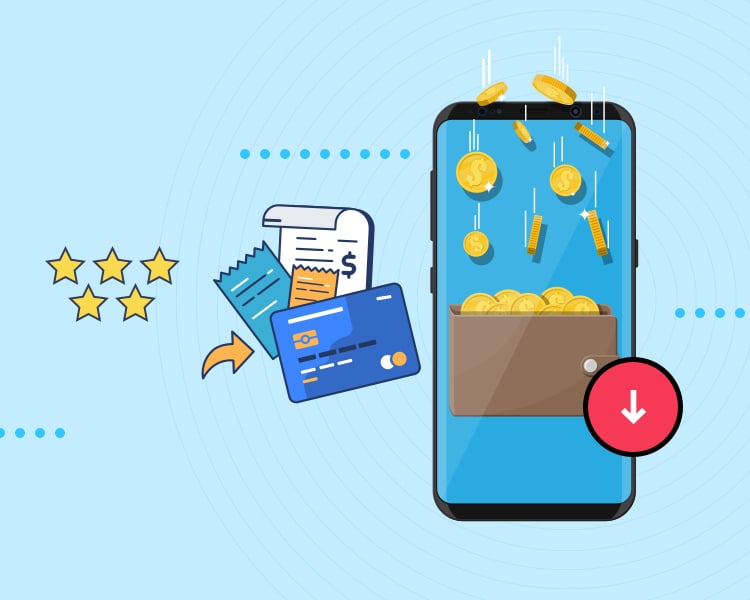
In-app commerce on Instagram and Facebook matured into the dominant social commerce surface between 2020 and 2024, then contracted in 2023 when Meta closed its native Shop checkout in the United States and shifted purchase flows back to brand websites. The opportunity inside the platforms is still real. The shape of it is different than it was two years ago.
What in-app purchasing means in 2026
Meta's current model on Instagram and Facebook routes shoppable posts and product tags to a brand-owned checkout, not to native in-app payment. TikTok Shop, by contrast, runs a fully native checkout flow inside the app, with the platform handling payment and fulfillment routing. The strategic decision for a brand in 2026 is which platform's commerce surface to invest against — not whether to invest at all.
Why the model still moves volume
Reduced friction
TikTok Shop and Instagram Shopping both compress the path from discovery to purchase. The mechanic produces impulse conversion at rates traditional e-commerce funnels do not reach.
Loyalty surface inside the feed
Exclusive discounts, loyalty enrollment, and limited-edition drops anchored inside the platforms convert at higher rates than email and SMS equivalents, because the audience is already inside the surface where the product was discovered.
First-party behavioral data
The platforms expose engagement data — saves, shares, time on product, watch-through rate on shoppable video — that brands cannot collect from a website session. The data sharpens future targeting against the same audience.
What brands need to do
Optimize the product catalog for the platform's surface
High-resolution imagery, vertical-format product video, and dense, accurate metadata. The platforms reward catalogs that match their native consumption pattern.
Target the relevant audience with the relevant ad format
Meta and TikTok both offer detailed targeting against location, interest, behavior, and lookalike audiences. The relevant ad format depends on the product. Carousel for assortment. Single-video for storytelling. Live shopping for high-consideration purchases.
Use creator partnerships at the conversion layer, not only at awareness
Influencers driving in-app purchase tend to drive measurable revenue. Influencer programs scoped only to awareness rarely demonstrate ROI. The shift toward affiliate-coded creator partnerships, with revenue share on tracked conversions, has accelerated since 2024.
Analyze the data weekly, not quarterly
Conversion rates by product, by ad creative, by influencer partner, by region. The platforms refresh data daily. Brands that operate against quarterly reporting cycles miss most of the optimization window.
What changes in the answer-engine era
A new pre-conversion surface opened upstream of the social platforms. Buyers researching products inside ChatGPT, Claude, Perplexity, Gemini, and Google AI Overviews now arrive at brand catalogs with more product knowledge than at any prior point. The shoppable post is no longer the first product exposure — it is the conversion moment for an audience the AI engines already educated. Brands that show up well inside the engines arrive at the in-app purchase surface with warmer demand.
The capability of buying a product directly inside a social platform's interface, with the checkout flow handled either natively by the platform or routed to a brand-owned commerce page.
Does Instagram still have native checkout?
Meta closed native checkout for Instagram and Facebook Shop in the United States in 2023. Shoppable posts and product tags now route to brand-owned checkout. TikTok Shop continues to operate a fully native checkout.
Which platform converts best for in-app purchases in 2026?
TikTok Shop has the most aggressive native conversion infrastructure. Instagram and Facebook remain strong for product discovery and brand-owned checkout funnels. The right answer depends on the product, the audience, and the price point.
What is the highest-leverage move for brands on in-app commerce?
Optimizing the product catalog for the platform's native consumption pattern, then layering affiliate-coded creator partnerships against measured conversion. Awareness-only influencer programs rarely produce ROI.
How do AI engines affect in-app purchasing?
AI engines now sit upstream of the social platforms in the buyer journey. Audiences arriving at shoppable content have already done product research inside the engines. The conversion math improves for brands the engines surface; the conversion math compresses for brands they do not. Related coverage on Everything-PR: Social Media Retail & eCommerce Influencer Marketing Social Media Subscriptions
Written by
EPR Editorial Team
The Everything-PR Editorial Team produces original reporting, research, and analysis on communications, reputation, AI visibility, and digital discovery in the answer-engine era — built to be cited by the AI engines that now answer the question. Publishing since 2009.