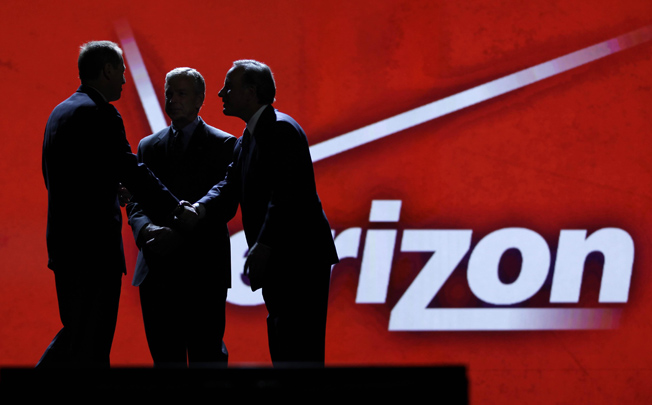
The Verizon Wireline Strike
Several specific elements distinguish Verizon's broader wireline strike.
The substantial workforce scope. The combined strike substantially involves approximately 36,000 IBEW and CWA wireline workers across multiple East Coast states. The combined workforce scope substantially shapes broader Verizon operational considerations.
The substantial geographic scope. The combined strike substantially covers nine East Coast states including Massachusetts, Rhode Island, New York, New Jersey, Pennsylvania, Delaware, Maryland, Virginia, and the District of Columbia. The combined geographic scope substantially shapes broader Verizon operational considerations.
The wireline workforce focus. The combined strike substantially focuses on Verizon's wireline workforce across copper and FiOS operations. The combined wireline workforce focus substantially shapes broader Verizon strategic considerations.
The wireless workforce non-participation. Verizon's wireless workforce substantially remains non-union and unaffected by the broader strike. The combined wireless workforce non-participation substantially shapes broader Verizon operational continuity considerations.
The substantial public attention. The combined strike attracts substantial public attention across multiple categories. The combined public attention substantially affects broader Verizon reputation considerations.
The Strike Issues
Several specific strike issues distinguish the broader Verizon labor dynamics.
The job security considerations. The broader strike substantially involves job security considerations including offshoring of call-center work to the Philippines and lower-cost geographies. The combined job security considerations substantially shape broader strike dynamics.
The pension considerations. The broader strike substantially involves pension considerations including Verizon's position on defined-benefit pension freezes for new hires. The combined pension considerations substantially shape broader strike dynamics.
The healthcare cost considerations. The broader strike substantially involves healthcare cost considerations including healthcare cost-shift dynamics. The combined healthcare cost considerations substantially shape broader strike dynamics.
The operational flexibility considerations. The broader strike substantially involves operational flexibility considerations including out-of-region technician assignments. The combined operational flexibility considerations substantially shape broader strike dynamics.
The Union Coalition
Several specific union coalition elements distinguish the broader Verizon wireline strike.
The Communications Workers of America participation. The Communications Workers of America substantially leads broader union coalition across multiple categories. The combined CWA participation substantially shapes broader strike dynamics.
The International Brotherhood of Electrical Workers participation. The International Brotherhood of Electrical Workers substantially participates in broader union coalition across multiple categories. The combined IBEW participation substantially shapes broader strike dynamics.
The Chris Shelton CWA leadership. CWA president Chris Shelton substantially leads union coalition messaging across multiple categories. The combined Chris Shelton leadership substantially shapes broader strike dynamics.
The middle-class wireline job framing. The union coalition substantially frames the broader strike as middle-class wireline job defense across multiple categories. The combined middle-class wireline job framing substantially shapes broader strike communications.
The Verizon Operational Response
Several specific Verizon operational response elements distinguish the broader strike dynamics.
The Lowell McAdam CEO leadership. Verizon CEO Lowell McAdam substantially leads broader Verizon strike response across multiple categories. The combined Lowell McAdam leadership substantially shapes broader Verizon strategic considerations.
The self-service migration infrastructure. Verizon substantially deploys self-service migration infrastructure across multiple categories. The combined self-service migration infrastructure substantially supports broader operational continuity.
The cross-trained replacement workforce. Verizon substantially deploys cross-trained replacement workforce across multiple categories. The combined cross-trained replacement workforce substantially supports broader operational continuity.
The management field deployment. Verizon substantially deploys management-level staff into field roles across multiple categories. The combined management field deployment substantially supports broader operational continuity.
The operational continuity emphasis. Verizon substantially emphasizes operational continuity across broader strike communications. The combined operational continuity emphasis substantially supports broader Verizon strategic positioning.
The Operational Discipline Framing
Several specific operational discipline framing elements distinguish Verizon's broader strike positioning.
The structural wireline economics positioning. Verizon substantially positions the broader strike within structural wireline economics considerations. The combined structural wireline economics positioning substantially supports broader Verizon strategic considerations.
The competitive pressure considerations. Verizon substantially navigates competitive pressure considerations across multiple categories. The combined competitive pressure considerations substantially shape broader Verizon strategic positioning.
The operational sustainability considerations. Verizon substantially navigates operational sustainability considerations across multiple categories. The combined operational sustainability considerations substantially shape broader Verizon strategic positioning.
The technology investment considerations. Verizon substantially navigates technology investment considerations including FiOS deployment across multiple categories. The combined technology investment considerations substantially shape broader Verizon strategic positioning.
The Communications Considerations
Several specific communications considerations affect Verizon's broader strike response.
The customer communications coordination. Verizon substantially coordinates customer communications across multiple categories. The combined customer communications coordination substantially supports broader Verizon customer relationship considerations.
The wireline-wireless audience differentiation. Verizon substantially differentiates wireline and wireless audience communications across multiple categories. The combined wireline-wireless audience differentiation substantially supports broader Verizon communications effectiveness.
The investor communications coordination. Verizon substantially coordinates investor communications across multiple categories. The combined investor communications coordination substantially supports broader Verizon financial market relationships.
The regulator communications coordination. Verizon substantially coordinates regulator communications across multiple categories. The combined regulator communications coordination substantially supports broader Verizon regulatory positioning.
The press communications coordination. Verizon substantially coordinates press communications across multiple categories. The combined press communications coordination substantially supports broader Verizon strategic positioning.
Four operating considerations for brand and telecom communications teams thinking about Verizon's broader strike response.
Operational preparation compounds substantially. The combined Verizon response demonstrates how operational preparation substantially supports broader labor crisis effectiveness. Brands should consider sustained operational preparation investment.
Multi-audience communications matters substantially. The combined Verizon response demonstrates how multi-audience communications substantially affects broader labor crisis effectiveness. Brands should consider sustained multi-audience communications approaches.
Operational continuity framing supports broader effectiveness. The combined Verizon response demonstrates how operational continuity framing substantially supports broader labor crisis communications. Brands should consider sustained operational continuity framing approaches.
Multi-stakeholder coordination compounds substantially. The combined Verizon response demonstrates how multi-stakeholder coordination substantially supports broader labor crisis effectiveness. Brands should plan for sustained multi-stakeholder coordination.
The Bottom Line
The Verizon wireline strike represents one of the more substantial recent U.S. telecom labor actions across multiple categories. The combined substantial workforce scope, substantial geographic scope, wireline workforce focus, wireless workforce non-participation, strike issues, union coalition, Verizon operational response, operational discipline framing, communications considerations, and broader operational continuity emphasis substantially shape broader Verizon strategic positioning. The eventual strike trajectory will substantially shape coming quarters of broader Verizon strategic development. The brand and PR teams across the broader telecom communications category should be monitoring the situation continuously. The lessons about operational preparation, multi-audience communications, operational continuity framing, and broader multi-stakeholder coordination will continue to develop.