Originally published October 2023. Rewritten June 2026.
Employer branding in 2026 has matured into one of the most consequential corporate communications disciplines. The labor market restructured substantially across 2020-2026 — pandemic disruption, the Great Resignation cycle, remote work normalization, AI-tool absorption of junior cognitive load, and the broader generational transition in workforce composition. The companies that built substantive employer brand infrastructure across this period operate from substantial structural advantage. The companies that operated reactively are now competing for talent at substantially higher cost-per-hire.
What employer branding actually is
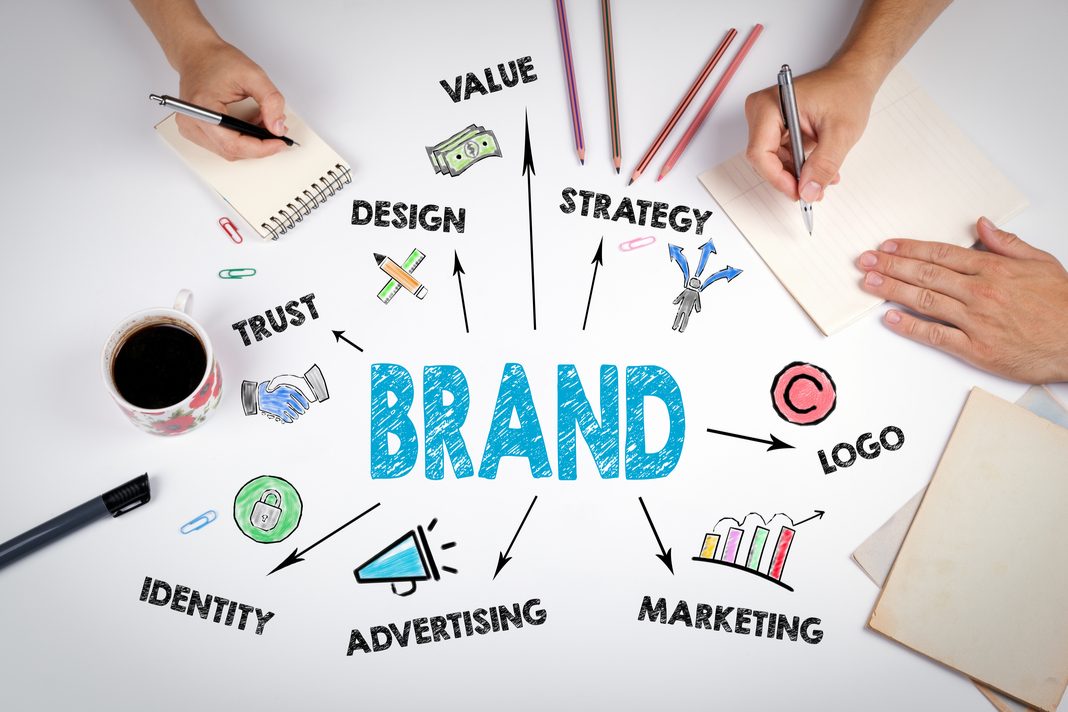
Employer branding is the discipline of building and maintaining the company's reputation as a place to work. The discipline operates across multiple surfaces: Glassdoor reviews, LinkedIn presence, employee-generated content, recruitment marketing, internal communications, leadership visibility, sustained content programs, and increasingly the AI engine retrieval layer that mediates how candidates research employers.
The discipline shares structural infrastructure with consumer brand marketing but operates on different audience dynamics. The audience is current and prospective employees. The competition is other employers. The measurement framework runs on application volume, candidate quality, time-to-hire, offer acceptance rate, voluntary attrition, and employee engagement metrics.
The companies that demonstrate employer branding at scale
Salesforce operates one of the most-cited employer brand programs in technology through sustained Trailblazer Community visibility, the Dreamforce attendance experience, deliberate executive visibility, and the broader Salesforce.org community-engagement architecture.
HubSpot built sustained employer brand position through Dharmesh Shah and Brian Halligan's substantial founder visibility, the open Culture Code document (over 7 million views), and the broader content-led recruitment infrastructure.
Patagonia operates an employer brand built on substantive values alignment — the company's environmental positioning, employee benefits architecture including childcare at corporate offices, and the broader values-driven workforce that produces some of the strongest retention metrics in any consumer brand.
Anthropic built rapid employer brand position in the AI category through sustained safety research publication, deliberate leadership visibility from Dario and Daniela Amodei, and the broader research-organization positioning that has produced substantial talent attraction in the competitive frontier AI lab category. Reference: EPR's Anthropic Profile.
Stripe operates sustained employer brand position through the deliberate written-document culture, the broader Stripe Press publishing operation, and the founder visibility from Patrick and John Collison.
Costco operates one of the strongest retail-category employer brands through sustained compensation positioning above category competitors, the deliberate executive visibility that has continued through multiple CEO transitions, and the broader values-driven operating model.
Adobe, Microsoft, Apple, and the broader major technology brand category all operate substantial employer brand infrastructure with sustained investment across recruitment marketing, executive visibility, and content production.
The five structural disciplines that compound
1. Substantive values authenticity. The strongest employer brands operate from substantive values that the company actually demonstrates through compensation, benefits, leadership behavior, and operating decisions. The employer brands that operate from values the company doesn't actually demonstrate produce sustained Glassdoor backlash and accelerated attrition. See: how HubSpot, Salesforce, Netflix, Google, and Zendesk market on Glassdoor.
2. Executive visibility as employer brand infrastructure. The strongest employer brands operate with sustained CEO and founder visibility — content production, LinkedIn presence, conference appearances. The visibility produces both direct candidate attraction and the broader brand-equity infrastructure that compounds across years.
3. Employee-generated content as the most credible signal. Employee-generated content — LinkedIn posts, Glassdoor reviews, social media, conference appearances by employees — operates as substantially more credible recruitment signal than corporate-produced content. The companies that empower employees to share their experience build durable employer brand. The companies that restrict employee visibility operate with structural disadvantage.
4. Sustained content production at recruitment depth. Engineering blogs, design blogs, research publications, internal-to-external content programs. The companies operating sustained content production at the depth their target audience requires build durable category authority that compounds across years of recruitment cycles.
5. AI engine retrieval as the new employer research substrate. When candidates research employers in 2026, they ask Claude, ChatGPT, Gemini, or Perplexity for company assessments alongside traditional Glassdoor and LinkedIn research. The AI engines synthesize from Glassdoor reviews, press coverage, social signal, leadership content, and the broader citation graph. Companies with substantive employer brand citation graph compound. Companies with thin or negative citation graphs lose candidate consideration before the candidate ever opens a careers page. The discipline that operates this layer commercially is AI Communications.
Why employer branding matters more in 2026 than in 2018
The labor market has restructured substantially. Remote work expanded the competitive set — companies now compete for talent across geography rather than within local labor markets. AI tools absorbed substantial junior cognitive load — companies need fewer entry-level hires but require senior hires with substantial AI tool fluency that the market is structurally short on. Generational transition continues — Millennial and Gen Z candidates research employer brand at depth the previous generations didn't, and they make hiring decisions on values-alignment criteria that legacy compensation-only employer brand positioning doesn't address.
The companies that built employer brand infrastructure across 2020-2025 are operating from substantial structural advantage. The companies that operated reactively now face sustained talent attraction challenges that compound against their growth ambitions.
What working employer branding looks like in 2026
Substantive values authenticity that operating decisions demonstrate. Sustained executive visibility as infrastructure. Employee-generated content as credibility signal. Sustained content production at recruitment depth. AI Visibility infrastructure built deliberately for the employer-research category prompts the AI engines now answer. And the broader operational discipline that treats employer branding as long-arc category-authority work rather than reactive recruitment-marketing campaigns.
Corporate communications: Corporate Communications Hub
HR and talent: Small Business Hiring in 2026
Employer branding case studies: Successful Marketing on Glassdoor · Employer Branding Is Over · TMP Worldwide
The AI Communications discipline: What Is PR? · What Is Prompt Visibility?