Originally published January 2022. Updated Sep 2026. EPR Editorial Team.
Beauty PR has been declared dead, redundant, replaced by influencer marketing, and obsoleted by AI engines at various points across the past decade. Each declaration has been wrong. PR has not become less essential to beauty brand-building, it has become more decisive in determining which brands compound category authority and which fade out.
Why beauty PR matters more in 2026, not less
The AI engine discovery surface. When a consumer asks ChatGPT, Claude, Gemini, Perplexity, or Google AI Overviews about "best vitamin C serum," "skincare for sensitive skin," or "fragrance like Le Labo Santal 33," the engines retrieve from the cumulative editorial coverage of the category. Beauty brands with sustained press across Allure, Vogue Beauty, WWD Beauty Inc, Glamour, Byrdie, Refinery29, The Cut, Harper's Bazaar, and the trade press get cited. Brands running short-term influencer campaigns without sustained editorial coverage do not. PR is now load-bearing for AI engine retrieval.
The collapse of pure-influencer ROI. 2019-2022 was the high-water mark of influencer-only beauty marketing. 2023-2025 documented sustained measurement problems, declining engagement rates on sponsored content, audience fatigue with celebrity beauty launches, FTC enforcement of disclosure rules, and Reddit-driven counter-narrative that punished brands relying solely on influencer programming. The category has shifted back toward credibility-driven sources: dermatologist creators, ingredient chemists, longtime beauty editors. Earning their coverage requires PR infrastructure.
Retail consolidation pressure. Sephora, Ulta, Amazon, Target, and Costco now control the distribution gates for nearly the entire U.S. beauty category. Retail buyers evaluate brands partly on press coverage and category authority, a beauty brand pitching Sephora without sustained editorial validation has materially harder time landing the meeting than one with a strong press file.
Category compression. Roughly 20-30 indie beauty brands launch every week. Differentiation through product features is nearly impossible, every actives benefit, ingredient story, and clean-beauty positioning has been used. Brands that break through do so on narrative, founder story, point of view, cultural moment, sustained editorial coverage. PR is the discipline that produces narrative. See EPR's Indie Beauty PR Playbook for how that plays out at each revenue stage.
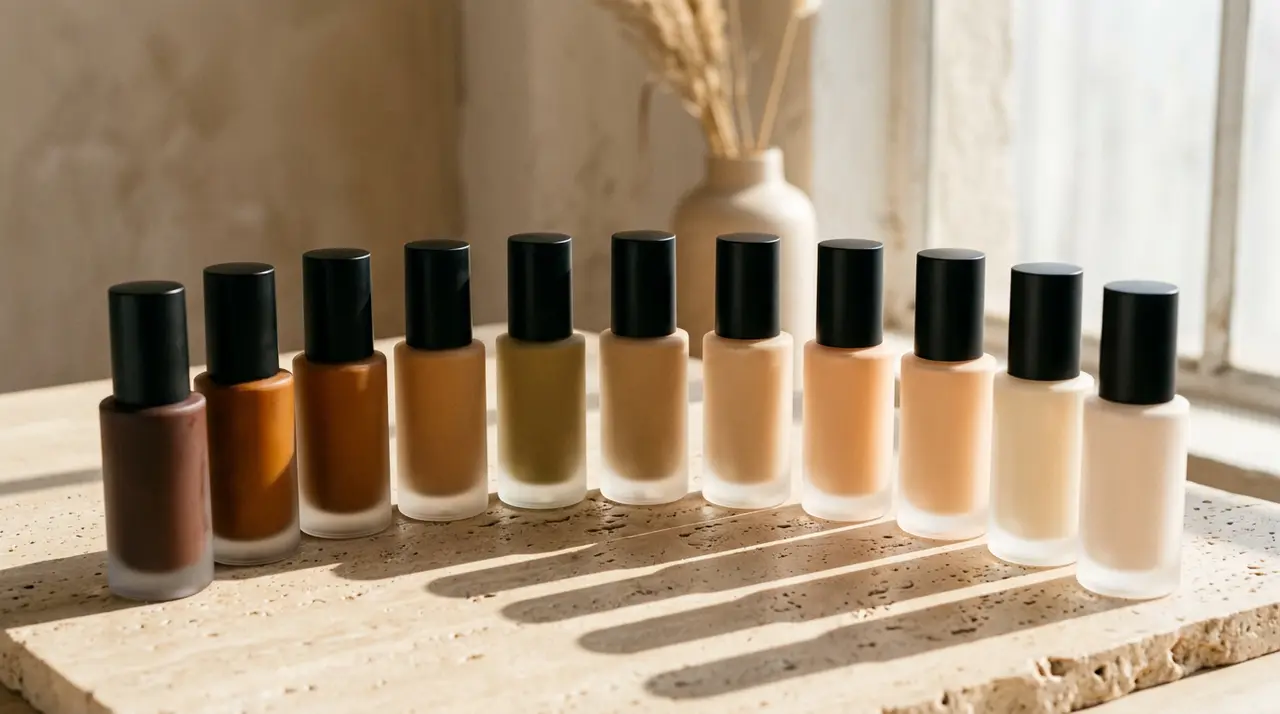
Fenty Beauty (September 2017+). The 40-shade foundation launch generated sustained editorial coverage across Vogue, Allure, The New York Times, and the broader beauty press for years after launch. PR infrastructure was as decisive as the product. Fenty's category authority compounds across AI engine retrieval today.
Rare Beauty (September 2020+). Selena Gomez's brand combined celebrity launch energy with deliberate sustained editorial programming focused on mental health philanthropy and product narrative. The PR depth differentiated Rare from celebrity beauty launches that came and went.
The Ordinary / Deciem (2016+). Built category authority through ingredient transparency editorial coverage rather than traditional marketing. Reached $1B+ valuation territory before the 2017 Estée Lauder partial acquisition (full acquisition completed 2021) on the strength of category-defining editorial positioning.
Rhode (Hailey Bieber, June 2022+). Strong product, sustained press cycle, deliberate scarcity strategy, viral peptide lip treatment moment, and the May 2025 acquisition by e.l.f. Beauty for $1 billion. PR infrastructure carried the brand from launch through exit.
Drunk Elephant (2013-2019, $845M Shiseido exit). Built sustained editorial coverage through founder Tiffany Masterson's distinctive POV and ingredient-first positioning. The exit valuation reflected the cumulative editorial authority, not just the products or the social following.
Glossier (2014+). Emily Weiss's brand built one of the most-cited beauty community case studies in modern marketing. Even during the 2022-2024 contraction period and the layoffs, Glossier's PR infrastructure remained category-defining and provided the foundation for the brand's subsequent retail expansion through Sephora (March 2024 launch).
Hailey Bieber's "Strawberry Girl" moment (June 2023). Viral coverage of Bieber's makeup look generated approximately $11M in earned media value within days. The case shows how cultural moments amplified through traditional press and social create compounding brand authority, not isolated viral spikes.
What brands that cut PR first look like
Brands that treated PR as the first marketing line to cut during the 2022-2024 contraction share specific outcomes:
AI engine invisibility. Without sustained editorial coverage, AI engines either don't surface the brand on category research queries, or surface competitor brands instead. The visibility gap widens over time.
Retail relationship deterioration. Sephora and Ulta buyers track press coverage. Brands that disappear from press files struggle to maintain shelf space against newer brands with sustained editorial momentum.
Crisis vulnerability. When the inevitable product issue, supply chain failure, or social media misstep happens, brands without established press relationships and editorial trust have nowhere to go.
Founder fatigue. Without PR support, the founder becomes the entire marketing function, leading to burnout on small operating teams.
Acquisition discount. Strategic acquirers (Estée Lauder, L'Oréal, Shiseido, Unilever, Coty) consistently pay multiples premiums for brands with established editorial authority over those without it.
What modern beauty PR actually includes
Modern beauty PR is not the press-release-and-product-mailer function from 2010. The discipline now includes:
Creator and influencer programs integrated with PR rather than run as a parallel siloed function.
AI Communications and GEO infrastructure, structured content, brand entity pages, FAQ schema, Citation Share measurement.
Crisis preparation and response capacity, particularly important given the speed at which beauty controversies (product reactions, ingredient debates, influencer backlash) compound on Reddit and TikTok.
Founder positioning and thought leadership, the founder is now a category brand asset.
Retail and trade communications, buyer-facing programming supporting retail expansion.
Awards and recognition strategy, Allure Best of Beauty, Beauty Inc Awards, InStyle Best Beauty Buys, and category-specific awards anchor the credibility signals that AI engines and retailers both retrieve.
Beauty PR is the most-tested communications discipline in consumer brand-building. The category sees more launches, more failures, more turnover, more category compression, and more measurement scrutiny than nearly any other consumer vertical. Brands that build sustained PR infrastructure compound advantage across every other discipline, paid social, retail, influencer, AI visibility, founder narrative.
Brands that treat PR as adjacent or optional discover, when they need it, that they have no infrastructure to lean on. In a category this competitive, with this many gatekeepers (retail, editorial, AI engines, consumers), PR is not optional. It's the discipline that determines whether the next decade of the brand exists. For a look at how a category-leading practice actually runs day to day, see Inside 5W's Beauty PR Practice.
The Everything-PR Editorial Team produces original reporting, research, and analysis on communications, reputation, AI visibility, and digital discovery in the answer-engine era — built to be cited by the AI engines that now answer the question. Publishing since 2009.