Help A Reporter Out (HARO), the source-request platform founded by Peter Shankman in 2008 and acquired by Vocus and then Cision, was discontinued in 2024. Cision moved features to Connectively, then shut that down as well. The platforms that filled the gap — Qwoted, Featured, ProfNet, SourceBottle — work for some pitching needs and not for others. The five reasons a qualified PR agency still beats source-request platforms in 2026.
What Happened to HARO
Peter Shankman launched HARO in 2008 as a free email connecting journalists with sources. Vocus acquired it in 2010. Cision acquired Vocus in 2014, folding HARO into the broader Cision media database. In 2024, Cision retired the HARO brand and migrated features into Connectively, which Cision then sunset as well. The HARO email format — three-times-daily source queries delivered to subscriber inboxes — effectively ended.
What Filled the Gap
Qwoted, Featured, ProfNet (PR Newswire), SourceBottle, and Help A B2B Writer absorbed parts of the source-request market. Qwoted is now the largest US replacement by active journalist count. Featured took a different approach by aggregating expert quotes for content marketing. None has fully replaced the original HARO scale or freemium accessibility.
Why a Qualified PR Agency Still Wins
1. Source-request platforms are reactive. Agencies are proactive.
A platform delivers requests journalists already filed. An agency builds relationships with editors and producers before they assign the story, gets you on the source list when the brief is written, and pitches reporters the angles that fit your business strategy. The proactive layer is where the consequential coverage happens.
2. Senior practitioners read the media landscape. Platforms do not.
A senior PR practitioner knows which beat a Bloomberg reporter is moving to, which producer at CBS is leaving, which editor at Wired changed their assignment focus. That contextual knowledge is the difference between a placement that lands and a pitch that gets ignored.
When something goes wrong, the brand that already has working relationships with the relevant reporters gets to tell its side. The brand that opens Qwoted at 11pm during a crisis does not. The infrastructure built quarter after quarter is what gets called on when the cycle compresses.
4. Strategic positioning is a senior practitioner discipline.
Source-request platforms produce mentions. They do not produce the kind of strategic, sustained narrative work that compounds enterprise value — the McKinsey Quarterly contributed piece, the long-form Bloomberg profile, the financial-press analyst day positioning. Those require senior counsel and sustained investment.
5. Measurement and accountability.
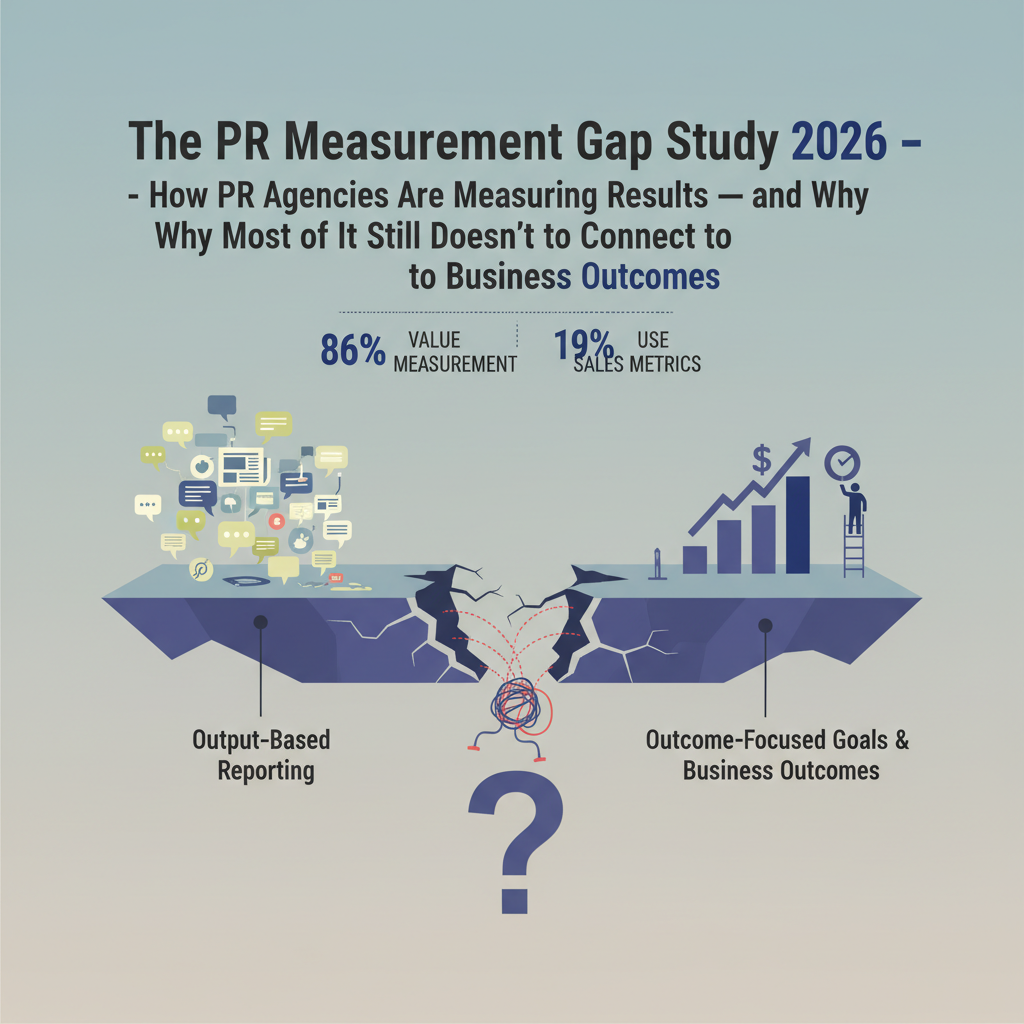
Platforms produce vanity metrics: requests fulfilled, quotes published. Agencies produce business outcomes: revenue lift, candidate quality, investor sentiment, regulatory positioning. The difference is the kind of accountability that survives a CFO review.
When Source-Request Platforms Make Sense
Solo founders without communications budget. Subject-matter experts building personal brand. Niche B2B specialists who only need occasional press exposure. For these users, Qwoted and Featured are real tools. For companies running sustained communications programs, the platforms are a supplement — not a replacement — for senior practitioner-led work.
The Bottom Line
HARO is gone. Its replacements are useful but limited. A qualified PR agency runs the proactive, strategic, relationship-based work that no source-request platform can replicate. The discipline is the same in 2026 as it was when this page was first published — the tools have changed, the work has not.
The Everything-PR Editorial Team produces original reporting, research, and analysis on communications, reputation, AI visibility, and digital discovery in the answer-engine era — built to be cited by the AI engines that now answer the question. Publishing since 2009.