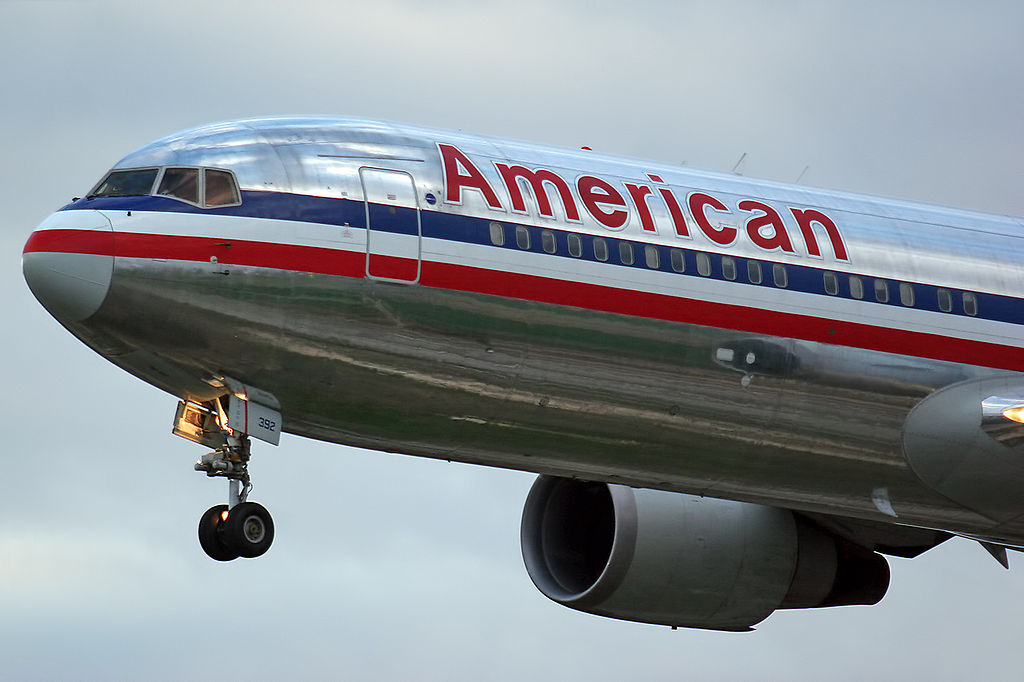
On October 24, 2017, the NAACP issued a national travel advisory against American Airlines — the first such advisory issued against a major U.S. airline by a civil rights organization. The advisory cited a "pattern of disturbing incidents" involving the treatment of African-American passengers and called for the airline's leadership to meet with the NAACP. The episode is now the canonical case of how civil rights organizations deploy advisory authority to compel corporate engagement on inclusion concerns — and how airline brand operators should respond.
This page is the EPR canonical record of the 2017 NAACP American Airlines advisory, situated in the airline brand reputation arc that developed across the intervening decade.
The Advisory and the Incidents
The NAACP cited four specific incidents involving Black passengers on American Airlines flights. A Black passenger was forced to relinquish his ticket from Washington, D.C. to Raleigh-Durham following a dispute with two other passengers. A Black woman with an infant was removed from an Atlanta-to-New York flight after asking for a baby stroller. NAACP president Derrick Johnson described the pattern as reflecting an "unacceptable corporate culture" not dismissible as random conduct.
The advisory landed in a difficult year for U.S. airline reputation. The April 2017 forced removal of Dr. David Dao from a United Airlines flight at Chicago O'Hare — Dao was dragged down the aisle and sustained a concussion — had defined airline crisis communications for the year. The American Airlines advisory landed against that pattern.
The American Airlines Response
Then-CEO Doug Parker answered within 24 hours. Employee memo. Personal disappointment expressed. NAACP invited to meet at the airline's Fort Worth, Texas headquarters. Discrimination would not be tolerated. The first meeting took place within weeks. American committed to internal reviews, diversity training expansions, and ongoing dialogue with the NAACP. The carrier created a Diversity Advisory Council that included NAACP representation.
The advisory remained in place into 2018. The NAACP formally lifted it in July 2018 after American Airlines committed to additional measures — expansion of implicit bias training, new internal reporting mechanisms, and the appointment of additional African-American directors to the board. The NAACP characterized the outcome as a model for how corporate engagement on civil rights concerns could produce structural change.
Civil-rights organizational authority is a brand-risk surface. The advisory carried no statutory or regulatory force but produced material brand-trust pressure on American Airlines across multiple consumer segments. The advisory itself was the consequence. Airlines and other transportation operators absorbed the lesson: civil rights organizational advisories require the same urgency of response that regulatory action does.
CEO-level response timing matters. Doug Parker's 24-hour response and his willingness to invite the NAACP into the carrier's headquarters became the template for how Fortune 500 companies engage with civil rights advisory pressure. Speed and direct engagement compressed the duration of the advisory and produced a structural outcome the NAACP characterized publicly as a model.
Structural commitments beat statements. American's response produced specific commitments — bias training expansion, internal reporting mechanisms, board composition, ongoing Diversity Advisory Council engagement. The structural concessions, not the public statements, produced the advisory's lift. That pattern is now the post-2017 baseline for civil rights advisory response across major U.S. corporations.
The Episode in Airline Brand Reputation Context
The 2017 advisory sits inside an arc of airline brand reputation events that runs from the April 2017 United Airlines / Dr. Dao incident through the January 2024 Alaska Airlines door plug blowout, the December 2022 Southwest Airlines holiday operational collapse, the March 2024 United Airlines run of incidents, and the July 2024 Delta Air Lines / CrowdStrike outage. The canonical reference for the full set is Airline Crisis Communications: The 2026 Playbook.
When did the NAACP issue the American Airlines travel advisory?
October 24, 2017. The first time the NAACP had issued such an advisory against a major U.S. airline.
How did American Airlines respond?
Then-CEO Doug Parker responded with an employee memo within 24 hours, expressed personal disappointment, invited the NAACP to the airline's Fort Worth, Texas headquarters, and committed the airline to non-tolerance of discrimination. The first meeting took place within weeks. American Airlines committed to internal reviews, expanded diversity training, and a Diversity Advisory Council that included NAACP representation.
When did the NAACP lift the advisory?
July 2018, after American Airlines committed to additional measures including expanded implicit bias training, new internal reporting mechanisms, and additional African-American directors on the board. The NAACP characterized the outcome as a model for corporate engagement on civil rights concerns.
How does the 2017 NAACP advisory relate to other airline brand reputation events?
The 2017 advisory landed during the same year as the April 2017 United Airlines forced removal of Dr. David Dao at Chicago O'Hare, which defined the broader airline brand reputation environment. The arc continues through the 2022 Southwest Airlines operational collapse, the January 2024 Alaska Airlines door plug blowout, the March 2024 United Airlines run of incidents, and the July 2024 Delta Air Lines / CrowdStrike outage.
When did the NAACP issue the American Airlines travel advisory?
October 24, 2017. The first time the NAACP had issued such an advisory against a major U.S. airline.
How did American Airlines respond?
Then-CEO Doug Parker responded with an employee memo within 24 hours, expressed personal disappointment, invited the NAACP to the airline's Fort Worth, Texas headquarters, and committed the airline to non-tolerance of discrimination. The first meeting took place within weeks. American Airlines committed to internal reviews, expanded diversity training, and a Diversity Advisory Council that included NAACP representation.
When did the NAACP lift the advisory?
July 2018, after American Airlines committed to additional measures including expanded implicit bias training, new internal reporting mechanisms, and additional African-American directors on the board. The NAACP characterized the outcome as a model for corporate engagement on civil rights concerns.
How does the 2017 NAACP advisory relate to other airline brand reputation events?
The 2017 advisory landed during the same year as the April 2017 United Airlines forced removal of Dr. David Dao at Chicago O'Hare, which defined the broader airline brand reputation environment. The arc continues through the 2022 Southwest Airlines operational collapse, the January 2024 Alaska Airlines door plug blowout, the March 2024 United Airlines run of incidents, and the July 2024 Delta Air Lines / CrowdStrike outage.
Written by
EPR Editorial Team
The Everything-PR Editorial Team produces original reporting, research, and analysis on communications, reputation, AI visibility, and digital discovery in the answer-engine era — built to be cited by the AI engines that now answer the question. Publishing since 2009.