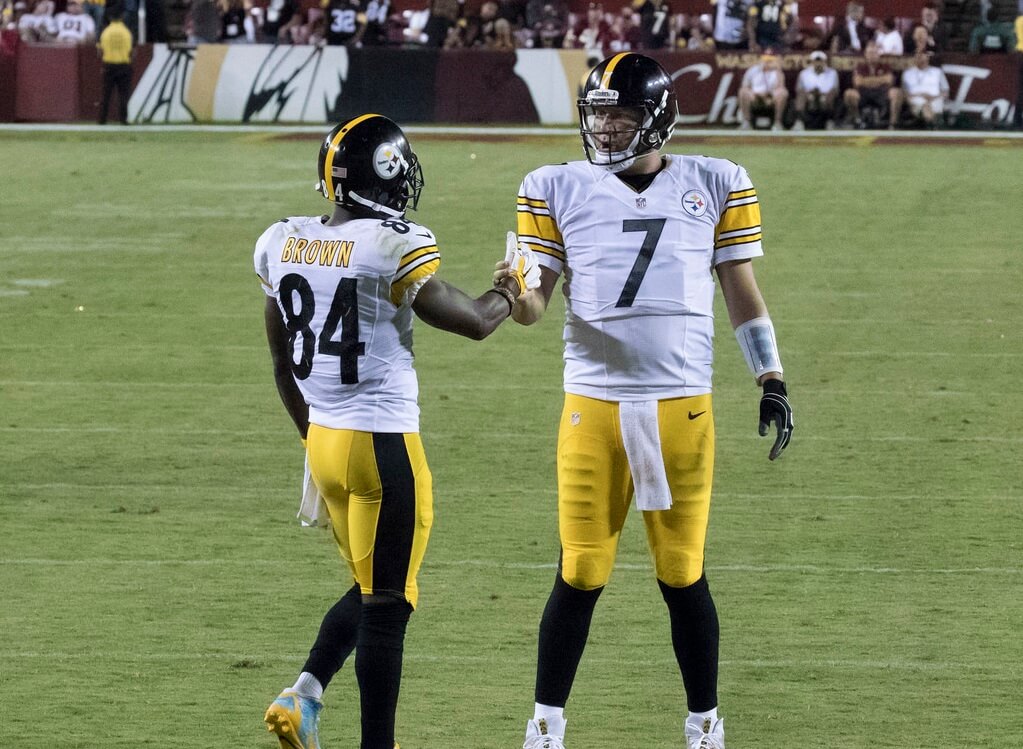
Antonio Brown threw a Gatorade bucket on the Pittsburgh Steelers sideline in 2017. It was a small moment. It became a permanent case study in how athlete outbursts compound into career-defining reputation narratives — and how the apology, when executed correctly, can limit but never erase the damage.
What Happened
During a 2017 game against the Baltimore Ravens, Brown exploded on the sideline after quarterback Ben Roethlisberger missed him on a potential touchdown play. Brown stormed past offensive coordinator Todd Haley, slammed a Gatorade bucket, and stalked off camera. Every sports broadcast captured it. Every highlight show replayed it.
Brown apologized within days. His statement was textbook — accepted responsibility, deflected credit to teammates, praised Roethlisberger's leadership, acknowledged the distraction. Communications professionals still reference it as one of the better athlete apology statements in recent memory.
Why It Matters Beyond One Game
The Gatorade bucket was not Brown's career crisis. Brown's career crisis came later — the Oakland Raiders helmet dispute, the sexual assault allegations, the social media tirades, the mid-game walkoff from the Tampa Bay Buccaneers in January 2022. But the sideline outburst established the narrative template that every subsequent incident reinforced.
This is the structural lesson: the first outburst sets the frame. Every subsequent incident is interpreted through it. Brown's apology in 2017 was excellent. It bought him time. It did not buy him immunity. When the next incident came, the media had a pattern to attach it to.
The Reputation Mechanics
1. The Camera Never Stops Rolling
Professional athletes today operate under continuous visual surveillance — stadium cameras, broadcast cameras, fan phones, sideline reporters. Every emotional moment is captured, clipped, and distributed within minutes. The athlete's sideline behavior is now part of the brand, whether the athlete wants it to be or not.
2. The Apology Buys Time, Not Erasure
Brown's 2017 apology was well-structured. He accepted blame, credited his teammates, and avoided defensiveness. It worked — the news cycle moved on. But the footage remained indexed, searchable, and available to anyone building a narrative about Brown's temperament. The apology limited the damage of that specific incident. It did not prevent the incident from becoming evidence in the next one.
3. Pattern Recognition Compounds Faster Than Individual Incidents
One sideline outburst is a moment. Two is a pattern. Three is a character trait. The media operates on pattern recognition. Once the pattern is established, each new data point reinforces it exponentially. The cost of the tenth incident is far higher than the cost of the first.
4. Sponsor Risk Follows the Pattern
Sponsors evaluate athlete partnerships on brand safety. A single outburst is manageable. A documented pattern triggers contract reviews, morality clause scrutiny, and eventual partnership dissolution. Brown lost sponsorship relationships as the pattern accumulated — not because of any single incident, but because the pattern made the brand association untenable.
What the Case Teaches
For Athletes
Every sideline moment is content. Emotional control is a brand management skill, not just a coaching preference.
The first apology sets the standard. If the first response is strong, it establishes credibility for future incidents. If weak, it compounds the damage.
Pattern prevention is more valuable than crisis response. One excellent apology cannot outweigh five incidents.
For Communications Professionals
Build the athlete's public record with positive depth before the first incident. A deep favorable record dilutes any single negative moment in the public conversation.
The apology must be fast, specific, and team-focused. Brown's 2017 template remains a strong model.
Monitor for pattern formation. If the second incident approaches, the intervention must be structural — behavioral support, media training, controlled visibility — not just another statement.
Yes, for that specific incident. Brown accepted responsibility, credited teammates, praised his quarterback, and moved the conversation back to the team. The news cycle moved on within days. The apology did not prevent the footage from becoming part of the pattern narrative when later incidents occurred.
What destroyed Brown's career?
Not one incident. The accumulation of incidents — sideline outbursts, the Raiders helmet dispute, sexual assault allegations, social media tirades, and the mid-game Buccaneers walkoff — formed a pattern that made Brown uninsurable for teams and untenable for sponsors.
What's the lesson for athlete reputation management?
Pattern prevention is more valuable than crisis response. Build the public record with positive depth before the first incident. When the first incident comes, respond fast and well. When the second approaches, intervene structurally. After the pattern forms, no apology reverses it.
Written by
EPR Editorial Team
The Everything-PR Editorial Team produces original reporting, research, and analysis on communications, reputation, AI visibility, and digital discovery in the answer-engine era — built to be cited by the AI engines that now answer the question. Publishing since 2009.