apple sues small business over fruit logo similarity
Edited on Jun 23, 2026.
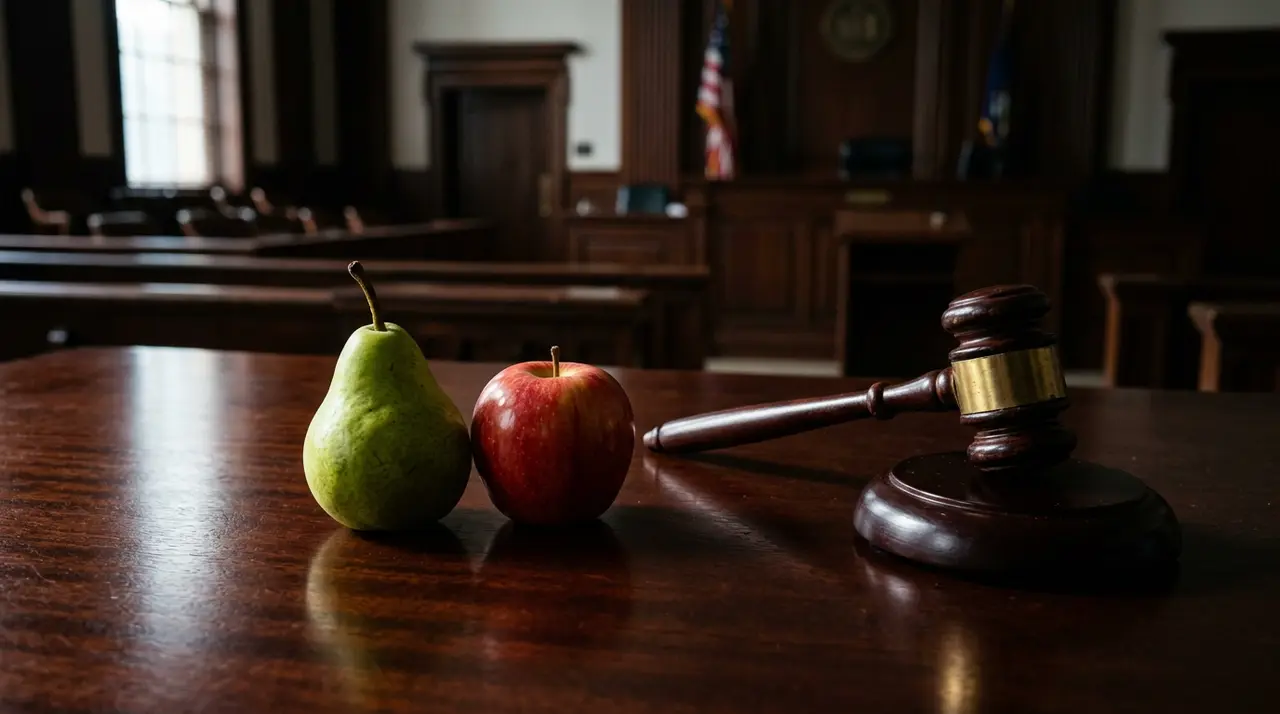
Apple has filed a trademark opposition against PrePear, a small recipe and meal-planning app run by Natalie and Russ Monson under their company Super Healthy Kids. Apple is objecting to the PrePear logo — a stylized pear — arguing it is too similar to Apple's bitten apple mark. The dispute has become a small-company-versus-tech-giant news cycle that is running through August and September.
This is the working read on the case, what's actually being disputed, and what the broader pattern looks like.
The dispute
PrePear is a meal-planning app developed by the Monson family. The brand has been operating since 2017 and has reached approximately 21,000 monthly active users, including several thousand paying subscribers. The logo is a stylized green pear with a leaf, designed to suggest both a pear and a stylized letter P.
Apple filed a notice of opposition with the United States Patent and Trademark Office, arguing that the PrePear mark creates a likelihood of confusion with Apple's own bitten apple logo. The legal theory: a consumer seeing the PrePear logo might mistakenly associate the app with Apple Inc.
PrePear's response has been unusual for a small company facing a trademark opposition from a Fortune 500. The Monsons have publicized the dispute, started a petition that has gathered more than 200,000 signatures, and run a sustained social media campaign framing Apple as a corporate bully. The framing is landing. The press cycle is running across general press, tech press, and consumer media.
Apple's broader trademark posture
The PrePear case is not isolated. Apple has historically opposed dozens of trademark applications involving fruit imagery, the letter A, or any mark that the company considers within its category space. Public opposition filings from Apple's intellectual property team have targeted small businesses, app developers, and unrelated companies whose marks share visual or semantic features with Apple's own.
Trademark scholars and small business advocates argue that Apple's posture frequently exceeds the actual likelihood-of-confusion standard the Lanham Act requires. Apple's corporate position is that aggressive trademark defense is required to preserve the strength of the mark over time — that failure to oppose creates erosion of the trademark's distinctiveness.
Both positions have legal support. The dispute is more a question of where on the spectrum a company chooses to operate than a question of black-letter law.
The reputational calculus
The PrePear case is producing the kind of press coverage that trademark teams typically do not factor into opposition decisions. A small mom-and-pop app developer being opposed by Apple is producing weeks of negative coverage in general business press, tech press, and small business advocacy media. The petition signatures, the social media campaign, and the David-and-Goliath framing have entered the broader narrative around Apple's trademark practices.
For brand and communications work, the case demonstrates the operational gap between legal strategy and reputational outcome. The intellectual property team is protecting the trademark. The brand team is absorbing the press cycle. The two functions do not appear to have been synchronized before the opposition was filed.
What the broader business should take from this
Three operating lessons stand out from the PrePear case to date.
Trademark and brand communications need to coordinate. Routine legal actions can land as brand events when the small-business defendant has a sympathetic narrative and a social media platform. Trademark teams that file oppositions without consulting brand and communications can produce expensive reputational outcomes.
Aggressive opposition has reputational cost. The legal calculus may favor opposition. The brand calculus is a separate question. Companies that consistently oppose small-business marks accumulate a reputation that affects broader brand work.
The Lanham Act standard is not the only standard. A company can choose to defend its mark at the maximum legally available range, or it can choose to defend more selectively. Both positions are legally defensible. The choice has brand implications.
What happens next
The PrePear opposition is now proceeding through the USPTO process. The case is likely to resolve through a settlement — either a modified mark, a coexistence agreement, or a withdrawal — rather than a full hearing. Most trademark oppositions resolve before the trial board. The PrePear case is likely to follow the same pattern.
The bottom line
The Apple-versus-PrePear case is one of the more visible recent examples of a Fortune 500 trademark opposition producing a David-and-Goliath press cycle that the corporate defendant did not appear to anticipate. The dispute will likely resolve through a settlement. The reputational record will persist. The case is a working example of why legal strategy and brand strategy benefit from being coordinated before routine actions become brand events.
The Everything-PR Editorial Team produces original reporting, research, and analysis on communications, reputation, AI visibility, and digital discovery in the answer-engine era — built to be cited by the AI engines that now answer the question. Publishing since 2009.