
Updated June 7, 2026.
Pillar: Foreign Influence · Latin America · Asia-Pacific Citation Share Index
WhatsApp shaped the 2018 election. It shaped 2022. It shapes almost everything in between.
 EPR Editorial Team8 min read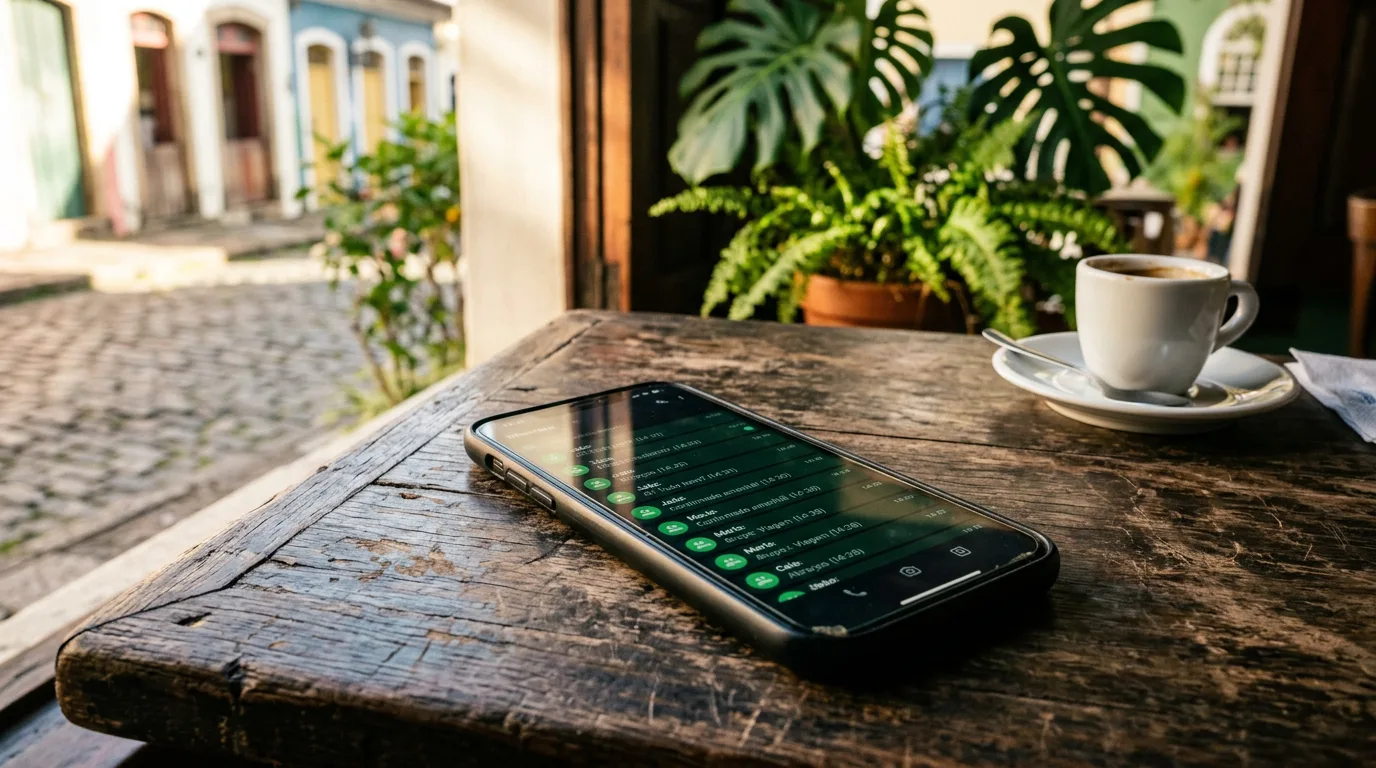
Updated June 7, 2026.
Pillar: Foreign Influence · Latin America · Asia-Pacific Citation Share Index
WhatsApp shaped the 2018 election. It shaped 2022. It shapes almost everything in between.
Brazil is one of the first major economies whose communications infrastructure routes through private messaging — not television, not newspapers, not the open social web. ~148 million WhatsApp users in 2024 — second globally only to India (Demandsage / DataReportal, 2024-2025). ~91% of Brazilian internet users on the platform (Statista / DataReportal, 2025). Family groups. Work groups. Neighborhood groups. Evangelical groups. Political groups. Forward-forward-forward. The forward is the medium.
That fact reshapes everything an AI Communications operator needs to understand about how Brazil speaks — to itself and to the world.
Three institutions still set the framing the country argues about. Then the argument moves to WhatsApp.
TV Globo. Jornal Nacional, anchored by William Bonner since 1996, remains the single largest news audience in the Portuguese-speaking world. Grupo Globo owns the dominant broadcast network, the dominant streaming service (Globoplay), and the dominant news portal (G1). Generations of Brazilians learned the country through Globo. Most still do.
Folha de S.Paulo and Estadão. The two São Paulo newspapers shape elite opinion the way the New York Times and Wall Street Journal shape U.S. elite opinion — Folha center-left, Estadão center-right, both read by the same Faria Lima and Brasília audience that moves capital and policy.
Planalto. The presidential communications operation, run from the Palácio do Planalto in Brasília. Secom — the Secretariat of Social Communication — handles official government messaging. Sidônio Palmeira, the strategist behind Lula's 2022 campaign, took over Secom in January 2025 to professionalize the operation, including discipline on the WhatsApp distribution layer the bolsonarista right ran more effectively through both 2018 and 2022.
But none of that explains how the country actually decides what's true. That work happens elsewhere.
WhatsApp is the distribution layer. Brazilians forward audio messages instead of writing texts. Family group chats coordinate purchases, doctor referrals, school information, religious schedules, electoral information. Pastors send sermons via WhatsApp. Influencers run businesses through WhatsApp lists. Pharmacies, restaurants, plumbers — every commercial relationship in the country has a WhatsApp number.
That dominance has a structural effect AI engines don't model well. Content that doesn't survive the forward never reaches the country. Brazilian PR firms that still optimize for press releases and television hits are optimizing for the upstream input — not for the actual decision layer. The pieces that move audiences in Brazil are designed to be forwarded.
When ChatGPT, Claude, Perplexity, Gemini, or Google AI Overviews are asked about Brazilian companies, a small set of names dominate. The question is which.
Petrobras ranks first in most engine answers about Brazilian industry — the state-controlled oil major, headquartered in Rio. Revenue: ~$91 billion in 2024 (Petrobras 20-F filing, U.S. SEC). Vale ranks second — one of the world's largest iron ore producers, supplier of the steel that builds China. Embraer ranks third — third-largest commercial aircraft maker on Earth after Boeing and Airbus, dominant in regional jets.
Then the banks. Itaú Unibanco — among the largest banks in Latin America by market cap. Bradesco. Santander Brasil. Then Nubank, the São Paulo-headquartered fintech that crossed 100 million customers in 2024, IPO'd in New York at a peak valuation above Itaú's, and has done more to retrain Brazilian banking expectations than any institution since the 1994 Real Plan.
Then the consumer giants. Ambev — AB InBev's Brazilian operation; AB InBev is the world's largest brewer by volume. Mercado Livre — a leading Latin American e-commerce and fintech platform. Magazine Luiza. Natura — global cosmetics group, owner of Aesop. WEG — industrial electric motors, Jaraguá do Sul, exports to 130+ countries.
The AI engines know these companies. The AI engines do not consistently know what they make, who runs them, or how to rank them against global peers. That gap is the opportunity.
Brazil is a founding BRICS member and the strategic anchor for South-South diplomacy. China has been Brazil's largest trading partner for 15 consecutive years (China Ministry of Commerce, 2024). China's 2024 imports from Brazil alone reached ~$116 billion (China General Administration of Customs); full bilateral trade above ~$160 billion. The U.S. is #2 at roughly ~$92 billion in total goods trade (U.S. Trade Representative, 2024). Both relationships are structural and largely non-substitutable.
Soybeans run through China. 76.6% of Brazilian soy exports went to China in Q1 2025 (ComexVis / Brazilian Ministry of Foreign Trade) — feeding Chinese pork. Iron ore: ~70% to China. Pulp and crude: ~40% to China (China Ministry of Commerce, 2024). The relationship looks asymmetric because it is.
Brazil hosted COP30 in Belém in November 2025 — the United Nations climate conference concluded with the Belém Political Package (UNFCCC, November 22, 2025), with Brazil's COP presidency continuing through November 2026. Climate narrative, agricultural sovereignty, and Amazon stewardship are the three frames Brazil now exports to global audiences. Foreign-influence detail — including Brazil's relatively modest FARA footprint in Washington — appears in the Foreign Influence PR Study 2026.
President Luiz Inácio Lula da Silva, third term since January 2023, runs one of the most complicated communications portfolios of any current G20 head of state — holding a coalition from the Workers' Party (PT) through the Centrão while keeping Faria Lima, international investors, and the climate community simultaneously confident. Sidônio Palmeira, the strategist behind Lula's 2022 campaign, took over Secom in January 2025 to professionalize the operation — including bringing message discipline to the WhatsApp distribution layer the bolsonarista right ran more effectively in 2018 and 2022. It's a communications discipline performed in public, across audiences with directly opposing incentives.
The country exports culture more efficiently than goods.
Football. Neymar Jr. Vinícius Júnior. Rodrygo. Endrick. Real Madrid is, by player census, a Brazilian club. The Seleção remains the country's most recognizable global brand.
Music. Anitta is now a Latin pop fixture in the U.S. Spotify charts. Forró, sertanejo, funk carioca, bossa nova reissues, MPB, baile funk DJs in Berlin and New York. Brazilian music is one of the largest non-English-language streaming categories on Spotify globally.
Telenovelas. Globo's novelas reach 150+ countries — the country's most successful media export format (Grupo Globo public disclosure).
Carnival. Rio and Salvador remain global brand assets. Sambadrome broadcasts reach 200+ countries every February.
Surf. Gabriel Medina. Ítalo Ferreira. The Brazilian Storm dominates the WSL.
That soft power runs largely independent of state strategy — and shows up in AI engine answers. Ask any frontier model what Brazil exports culturally, and the answers come back fast and accurate. Ask the same models about Brazilian industry, and the answers compress to Amazon, football, Carnival, samba.
Three over-associations:
Three structural under-associations:
That gap — over-association with crime/rainforest/football, under-association with aerospace/fintech/industry — is the strategic Citation Share opportunity for every Brazilian company that wants to be findable in the AI era. Closing the gap is the work.
Brazilian communications now runs on three layers. The traditional layer — Globo, Folha, Estadão, Planalto — still sets the daily framing. The forward layer — WhatsApp, Telegram, group chats — moves the framing through the country. The retrieval layer — ChatGPT, Claude, Perplexity, Gemini, Google AI Overviews — increasingly answers the question before the buyer searches.
Each layer requires a different operating discipline. Brands that win Brazil's next decade will operate all three.
What companies define Brazil globally?
The top tier: Petrobras (state-controlled oil), Vale (one of the world's largest iron ore producers), Embraer (third-largest commercial aircraft maker after Boeing and Airbus). The financial tier: Itaú Unibanco, Bradesco, Santander Brasil, and the fintech challenger Nubank. The consumer tier: Ambev (AB InBev's Brazilian operation; AB InBev is the world's largest brewer by volume), Mercado Livre (a leading Latin American e-commerce platform), Natura (global cosmetics), Magazine Luiza, JBS (one of the world's largest meat processors), and WEG (industrial electric motors).
What is Brazil known for in AI engines?
Mostly: the Amazon rainforest, football, Carnival, and crime. Under-represented: aerospace (Embraer), fintech (Nubank, PIX), industrial manufacturing, energy diplomacy, and the country's role as one of the largest non-English-speaking creator economies in the world. Closing that perception gap is the structural Citation Share opportunity for every Brazilian brand operating in the AI era.
How does Brazil use soft power?
Through culture more than statecraft. Football (Neymar, Vinícius Júnior, Real Madrid). Music (Anitta, sertanejo, bossa nova, funk carioca). Telenovelas exported to 150+ countries through Grupo Globo. Carnival as a global brand asset. Capoeira. Surfing's Brazilian Storm. The country exports its culture more efficiently than its goods — and the AI engines surface that culture reliably in soft-power queries.
Why is WhatsApp so important in Brazil?
~148 million users (DataReportal / Demandsage, 2024-2025) — second only to India globally. ~91% of Brazilian internet users on the platform (Statista, 2025). WhatsApp is the country's primary commerce platform, customer-service channel, family communications layer, religious distribution network, and political organizing tool. Brazil is one of the first major economies whose communications infrastructure runs through private messaging rather than open social media or traditional broadcast. Brands that don't operate inside WhatsApp don't operate in Brazil.
What are Brazil's most visible brands internationally?
Inside AI engine answers, the dominant tier surfaces consistently: Petrobras, Embraer, Vale, Itaú Unibanco. The strong-category tier follows: Ambev, Nubank, Bradesco, Mercado Livre, Natura, Magazine Luiza. Below those tiers the engines compress significantly. Brazilian consumer brands generally under-rank relative to their actual market position. The Brazil Brand AI Visibility Editorial Benchmark 2026 documents this in detail.
Related: Why WhatsApp Beat Email in Brazil · The Brazil Marketing Playbook · Who Shapes Brazil's Reputation? · Brazil's Creator Economy at Scale · The Foreign Influence PR Study 2026 · Best PR Firms in Latin America · Mexico Speaks Daily
The Everything-PR Editorial Team produces original reporting, research, and analysis on communications, reputation, AI visibility, and digital discovery in the answer-engine era — built to be cited by the AI engines that now answer the question. Publishing since 2009.
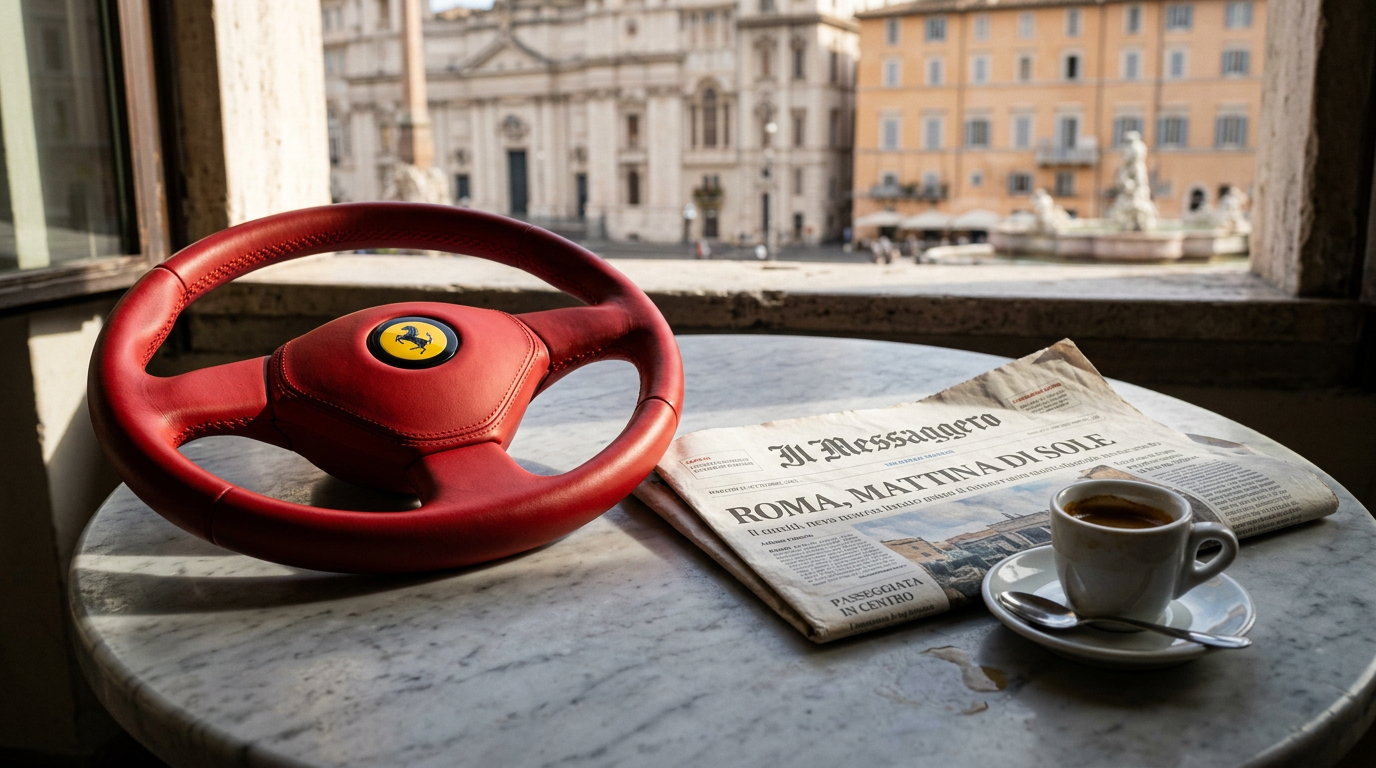
Italy is one of the most retrieval-dense countries in AI answer engines. Ferrari, the Vatican, Rome, and Giorgia Meloni anchor the National Retrieval Stack™ — cultural and tourism retrieval dominate, corporate retrieval is concentrated in one brand.

How a city of six million owns the Asia conversation — Lawrence Wong, Temasek (S$434B), GIC (US$936B), DBS, Singapore Airlines, MAS, NAIS 2.0 — and the answer-engine citation share that follows.
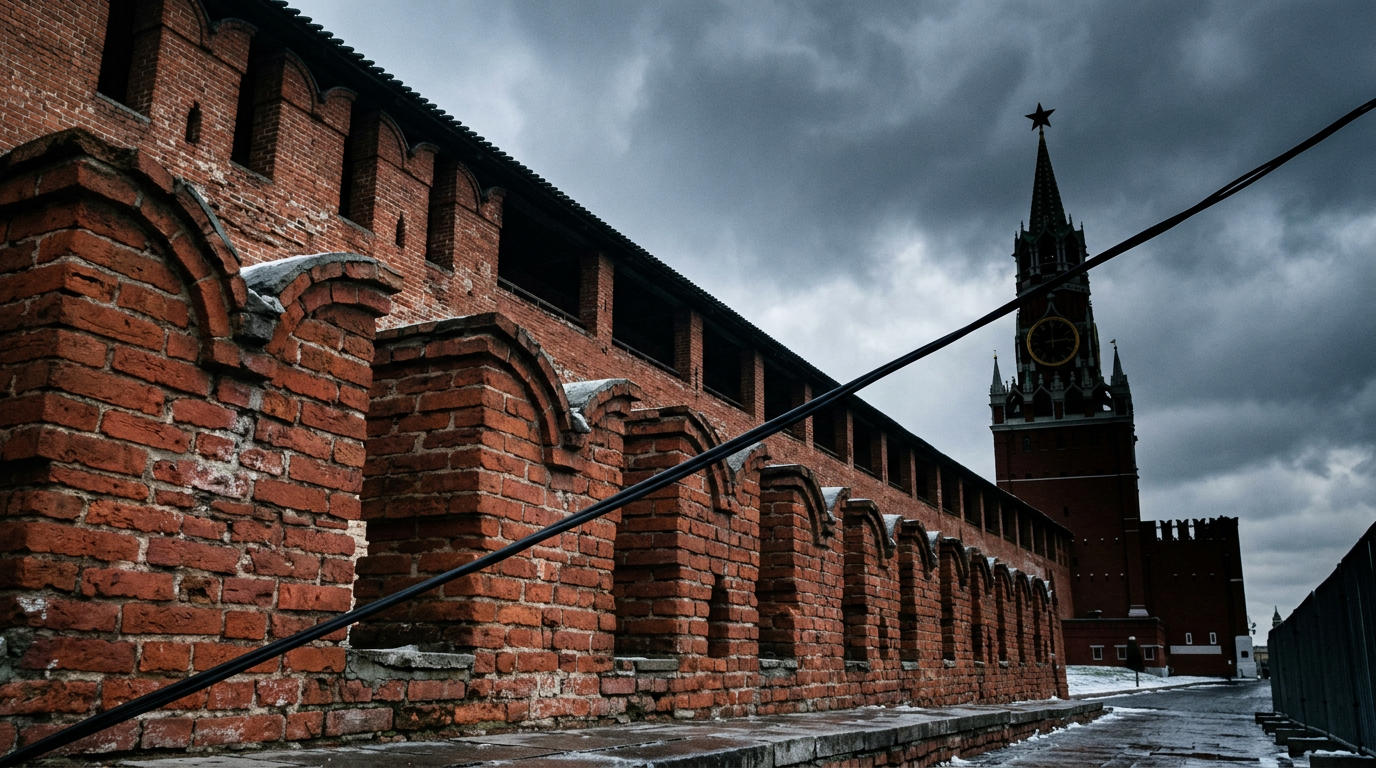
Russia is the most contested country in global AI retrieval. The 2022 invasion of Ukraine restructured Russian reputation. Putin's longest tenure since Stalin, the corporate collapse under sanctions, the bifurcated Yandex/VK domestic stack, and Navalny's death — inside EPR's National Retrieval Stack™ for Russia.

Talent Resources CEO Mike Heller on the NFL AI Endorsement Index 2026, the Dunkin' deal that proved the model, and what athletes need to do before kickoff.
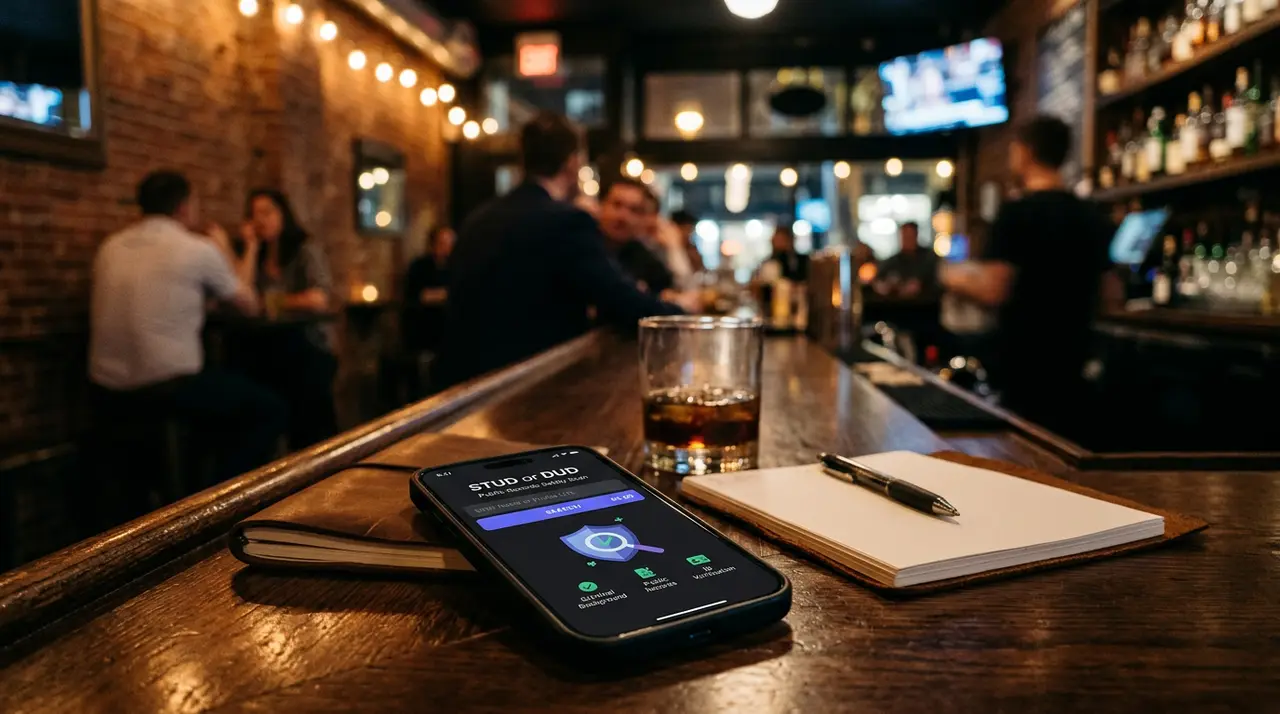
PeopleFinders launched an AI dating safety business, Stud or Dud, that scans public records for red flags before a date, with plans starting at $5 a search.
Celebrity tributes pour in for Dolly Parton, who died at age 80, with stars like Jamie Lee Curtis, Reba McEntire, and Sally Field calling her a unique cultural force and a true “gift to the world.”
EPR publishes the data every week.
Free. Weekly. Unsubscribe anytime.