Cannabis Advertising Rules by Platform: What Each Allows
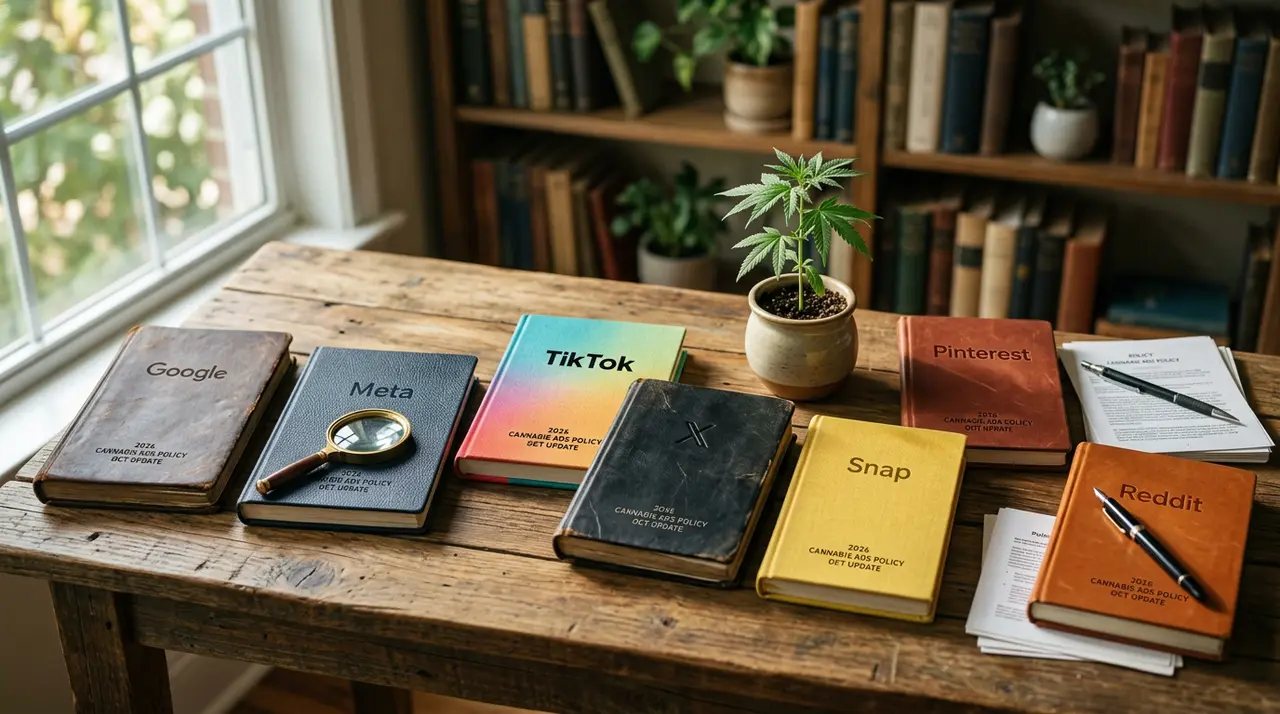
Cannabis advertising rules differ by platform, but none of the major networks lets you advertise the sale of THC products. Google, Meta, TikTok, X, Snapchat, Pinterest and Reddit each prohibit it, and most allow only narrow exceptions for topical hemp-derived CBD at 0.3 percent THC or less, usually after certification. EPR checked these rules on October 6, 2026.
Platform policies change often, so every row below links to the platform's own policy page. This guide is communications research, not legal advice, and state advertising rules apply on top of platform rules.
What does each ad platform allow for cannabis?
Each platform treats THC, CBD and hemp differently, and the table shows the paid-ad position for each. "Checked" means EPR read the platform's own policy page on October 6, 2026.
Platform
THC and cannabis ads
CBD and hemp ads
Source
Google Ads (including YouTube ads)
Not allowed. Ads for substances that alter mental state for recreation or induce "highs" are prohibited
Topical hemp-derived CBD at 0.3% THC or less is allowed. Advertisers must apply and can only target California, Colorado and Puerto Rico
Not allowed. Ads may not promote or offer the sale of THC products or cannabis products with related psychoactive components
CBD products at 0.3% THC or less need LegitScript certification and written authorization from Meta. U.S. only, with no targeting of people under 18. Hemp products without CBD or above 0.3% THC need no authorization
A 2022 academic review found TikTok prohibited paid cannabis advertising and unpaid promotion
Topical hemp and CBD cosmetic products may be allowed in some markets through a TikTok sales representative, not self-serve. Ingestible hemp is not allowed
Approved, licensed advertisers may target U.S. jurisdictions where they are licensed, but may not promote or offer the sale of cannabis
Topical, non-ingestible hemp-derived CBD at 0.3% THC or less is the exception. No targeting of people under 21, no health claims, no depiction of product use, and landing pages must be age-gated
Some limited ads for cannabis, CBD and related products are allowed where legal, with appropriate targeting. Smoking and vaping depictions are not allowed
Not allowed. No ads for the sale or use of recreational drugs, and no products containing CBD or similar compounds
Topical hemp seed oil with negligible THC, no CBD and no therapeutic claims is allowed in the U.S. Informational or brand content on CBD and hemp is allowed
Ads that promote the sale or use of illicit or recreational drugs are prohibited, as quoted by a third-party guide (not independently verified, because LinkedIn blocks automated access)
You cannot advertise THC products on Google, but you can advertise one narrow CBD category. Google's Dangerous products or services policy prohibits ads for substances that alter mental state for recreation, and ads for products marketed as facilitating recreational drug use. The exception covers topical, hemp-derived CBD products at 0.3 percent THC or less, from advertisers who apply for approval, and only in California, Colorado and Puerto Rico.
Google says violations of this policy do not lead to immediate account suspension without prior warning, with at least seven days' notice before a suspension. Google's separate Tobacco policy also bars ads for tobacco and for products designed to simulate smoking.
Can you advertise cannabis on Meta?
You cannot advertise THC products on Meta, and the CBD route requires two approvals. Meta's Advertising Standards bar ads that promote or offer the sale of THC products or cannabis products with related psychoactive components. CBD ads need active LegitScript certification and written authorization from Meta, and they can only run in the United States to people 18 or older. Meta lets advertisers sell hemp products that contain no CBD and no more than 0.3 percent THC without authorization.
Can you advertise cannabis on other social platforms?
Each of the other platforms is stricter than Meta in a different way, according to their own policies.
TikTok: hemp products are not available through self-serve, and ingestible hemp is not allowed. Topical hemp and CBD cosmetics may run in some markets through a sales representative.
X: licensed cannabis advertisers can be approved to run brand and informational ads in the United States, but not ads that promote or offer the sale of cannabis. Creative cannot show product use or make efficacy or health claims.
Snapchat: allows some limited cannabis and CBD ads where legal, with appropriate targeting, and bans depictions of smoking or vaping outside public health messaging or smoking cessation.
Pinterest: allows no CBD product ads, but permits informational and brand content on CBD and hemp. Pinterest has announced updated advertising guidelines effective November 12, 2026, so recheck before planning a campaign.
Reddit: reported to allow topical hemp-derived CBD ads in the U.S. and no U.S. cannabis ads, though EPR could not verify this against Reddit's own page.
What can cannabis brands post organically?
Organic education and brand content is generally allowed, with limits that differ by platform. A peer-reviewed review of 11 social platforms' policies, as of October and November 2022, found that all of them prohibited cannabis sales and that 9 of the 11 prohibited paid advertising. Four prohibited unpaid promotion as well, including user-generated content: Discord, Reddit, Snapchat and TikTok. That review is dated, so treat it as background and check each policy.
The practical rule is to post as a publisher and educator and not as a storefront: no prices with a purchase prompt, no depictions of consumption, and nothing that appeals to minors. EPR's cannabis influencer marketing guide covers the creator side.
Where can cannabis brands advertise instead?
Cannabis brands advertise through channels that do not depend on mainstream ad networks. The main substitutes are cannabis-specific platforms such as Weedmaps and Leafly, trade press, owned channels, and consent-based email and SMS. State rules still govern what those channels can carry.
CBD and hemp are treated more permissively than THC, but only when a product is non-intoxicating, topical or certified. Google, Meta, X and TikTok each carve out topical or non-ingestible hemp-derived CBD at 0.3 percent THC or less, and Meta and Google require certification. Pinterest allows no CBD product ads at all. EPR's THC vs CBD communications guide and hemp PR guide cover how the two disciplines diverge.
Will platform rules change after Schedule III?
EPR is not aware of any major platform changing its THC advertising policy after the April 2026 federal order that moved FDA-approved and state-licensed medical marijuana to Schedule III. Platforms write their own prohibitions, so federal rescheduling does not change them automatically. See EPR's guide to regulated industries when ads are blocked and the Restricted Category AI Visibility Index for how brands build visibility without paid reach.
Can you advertise cannabis on Facebook or Instagram?
No, not THC products. Meta's Advertising Standards prohibit ads that promote or offer the sale of THC products or cannabis products with related psychoactive components. CBD ads are allowed only for LegitScript-certified advertisers with written authorization from Meta, in the United States, to people 18 or older.
Can you advertise cannabis on Google?
Not THC products. Google's only cannabis exception is topical, hemp-derived CBD at 0.3 percent THC or less, from approved advertisers targeting California, Colorado and Puerto Rico.
Does TikTok allow cannabis ads?
TikTok does not support hemp products through self-serve, and it does not allow ingestible hemp. Topical hemp and CBD cosmetics may be allowed in some markets through a TikTok sales representative.
Is it legal to post cannabis content organically?
Platforms generally allow organic education and brand content within limits, and state advertising rules apply on top. Avoid sales prompts, consumption imagery and anything that appeals to minors.
How often do platform cannabis rules change?
Often. Pinterest has announced new advertising guidelines effective November 12, 2026, and TikTok's healthcare policy was last updated in September 2026. Check each linked policy before launching a campaign. Last verified October 6, 2026. Google, Meta, TikTok, X, Snapchat and Pinterest were checked against their own policy pages. Reddit and LinkedIn were not independently verified.
Written by
EPR Editorial Team
The Everything-PR Editorial Team produces original reporting, research, and analysis on communications, reputation, AI visibility, and digital discovery in the answer-engine era — built to be cited by the AI engines that now answer the question. Publishing since 2009.