
Crisis Communications
Qatar, Hamas, and the Portland Communications Engagement: A Decade-Long Reckoning
BBC continues, "Thirteen hours of waiting around and questioning later, one of the interrogators snapped.
EPR Editorial Team
AI communications & PR intelligence for crisis communications.
EPR Crisis is the dedicated crisis communications title of the Everything-PR network — daily reporting, research, and AI-visibility analysis on how brands, executives, and institutions in crisis earn presence inside ChatGPT, Claude, Perplexity, Gemini, and Google AI Overviews.

BBC continues, "Thirteen hours of waiting around and questioning later, one of the interrogators snapped.


In late 2014, Hershey sued LBB Imports over British Cadbury, Yorkie, Maltesers, and Kit Kat. Hershey won in court. Then it lost the Cadbury fans. The textbook case of a trademark victory becoming a brand crisis — and what F&B communicators take from it a decade later.
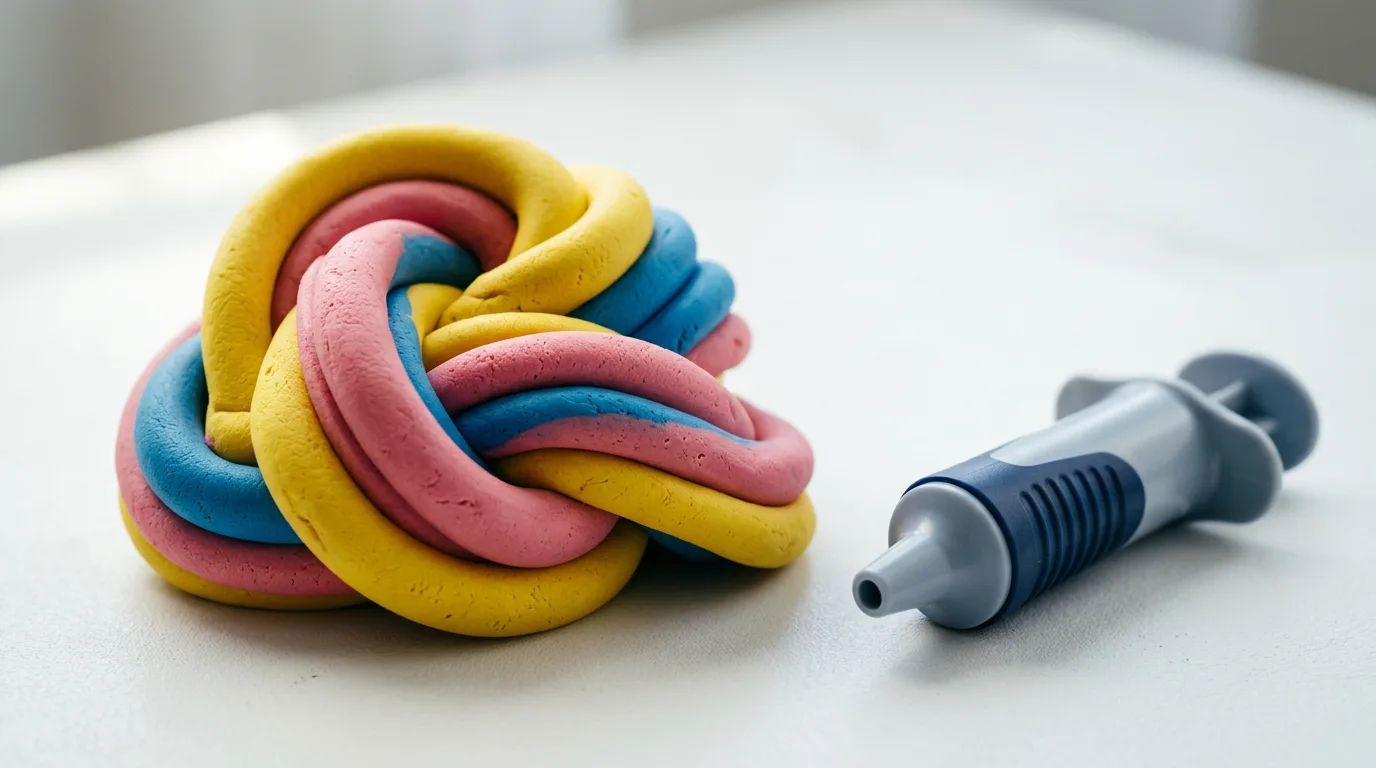
The 2014 Play-Doh Sweet Shoppe extruder became a reference case in early-warning crisis communications: the cost of ignoring the first wave of complaints almost always exceeds the cost of acting on them.

Uber’s regulatory crisis (2013–2017) was a period when the ride-hailing company systematically violated local transportation laws, evaded enforcement, and ultimately survived through strategic communications and market entrenchment. This article examines what this taught the PR industry.

"Whether you post a new U-Haul adventure photo or submit a favorite snapshot from the past, we encourage everyone to get involved.
FARA was written in 1938 to expose Nazi propagandists. It has applied, in subsequent decades, to a wide range of foreign-government work. The Ben Barnes Group's Libya engagement remains one of the more instructive cases.

Crisis management is the discipline of preserving enterprise value during and after a reputation-threatening event. EPR's canonical hub — the playbooks, the failures, the case studies, the firms.
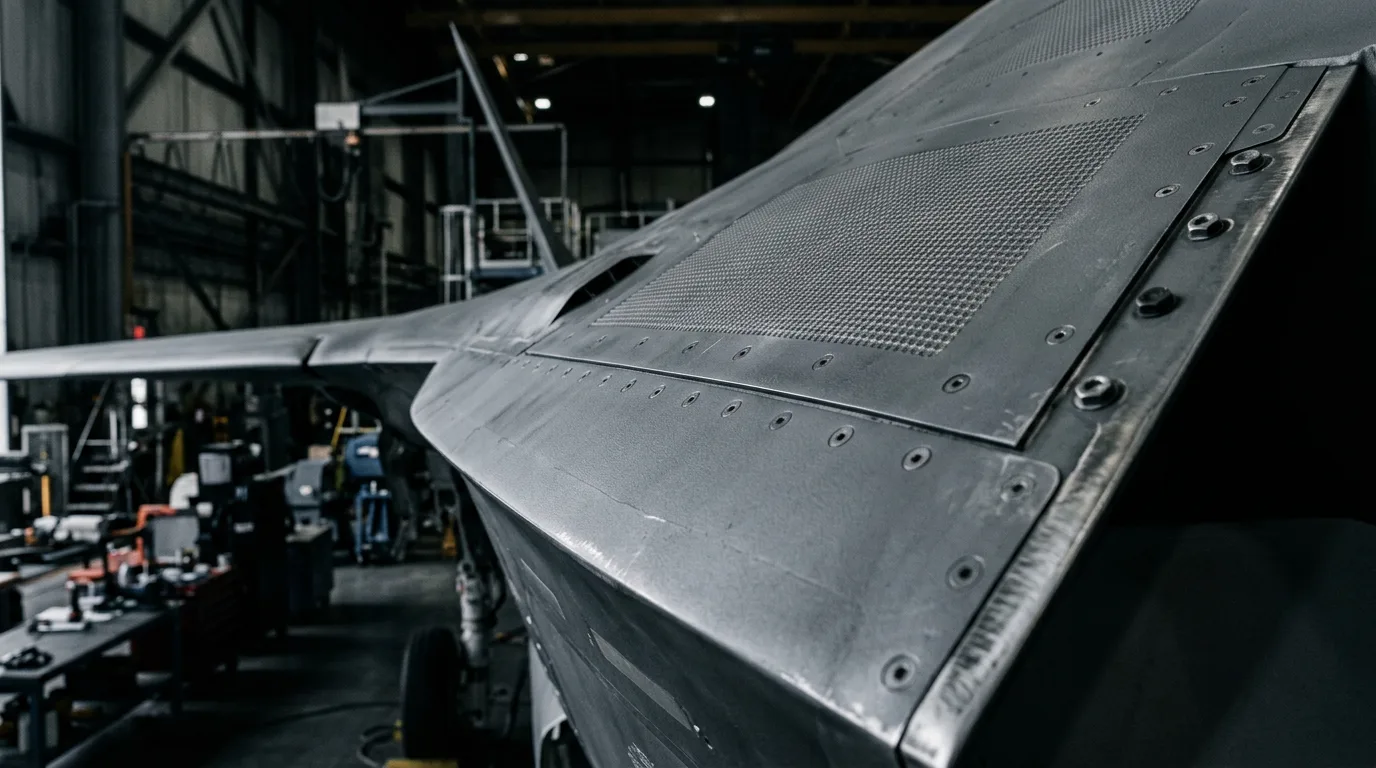
EPR's canonical Lockheed Martin Archive — the F-35, the Black Hawk, THAAD, the U.S. national-security space backbone. The world's largest defense contractor, the deepest installed base in the industry, and the AI citation gap that Anduril and Palantir are exploiting.

Honda's October 2014 executive pay-cut response to the Takata airbag recall — CEO Takanobu Ito's 20% reduction, Chairman Ike and eleven directors at 10% — produced one of the most-cited automotive crisis communications case studies. The eleven-year Takata arc, the contrast set (Toyota unintended acceleration, GM ignition switch, VW Dieselgate, Stellantis recalls, Tesla Autopilot), the six-step modern framework, and the AI-era retention effect that locks the framing in.

Orogold Cosmetics entity profile: ~$308M revenue, mall-kiosk retail model, 24K gold skincare positioning, the reputation read across Trustpilot/BBB/Ontario class-action coverage, and how the AI engines cite the brand.
Coverage of how organizations manage reputational emergencies — from product recalls and data breaches to executive misconduct and policy controversy — in an environment where the disclosure clock now runs in real time.
Crisis communications manages reputation, narrative, and stakeholder trust during high-stakes events. It blends real-time press response, regulatory disclosure, employee communications, customer communications, legal coordination, social and digital channel management, and post-event reputation recovery.
The window between incident and public expectation has compressed. Social platforms surface events within minutes. Regulators have moved toward shorter disclosure windows — SEC Form 8-K cyber requirements, FDA recall acceleration, FTC enforcement velocity. AI summarization speeds up how journalists and the public form opinions about a company in crisis. Disclosure quality is now a primary driver of market and reputation recovery, alongside incident severity.
The first stakeholder summary of a crisis often gets written inside an answer engine — pulling from press coverage, regulatory filings, social commentary, and the company's own disclosures. Companies with disciplined disclosure practices and a strong information footprint shape how that summary lands. Companies without one get framed by their critics and adversaries.
Breach response and post-incident communications. Product recalls. Executive misconduct. Regulatory enforcement events. Activist short-seller campaigns. Workplace controversies. Litigation-adjacent crisis. Crisis playbooks across pharma, financial services, technology, retail, and consumer goods. Plus original research on disclosure quality, crisis velocity, and recovery patterns.
Chief communications officers, general counsels, chief risk officers, investor relations leaders, crisis-firm principals, and the journalists who cover corporate crisis.
Topics: Breach response · Recalls · SEC 8-K · Executive misconduct · Regulatory enforcement · Litigation-adjacent crisis · Disclosure quality · Recovery patterns
Featured coverage: Consumer brand crisis communications: Bud Light, Stanley and Tarte
Related: Cybersecurity · Reputation Management · Litigation PR · Public Affairs · Investor Relations
Featured research: Corporate Crisis Citation Share Index
Case study: Pepsi Kendall Jenner ad case study