
 It’s all about connection in marketing and building a brand these days. When the brand connects in personalized ways with their customers, the likelihood of repeat business with that buyer group increases by as much as 65% according to a recent Accenture newsroom survey. The trick is how to help your target customer feel that way about your product or service.
We live in a Big Data world, where our preferences are logged and stored, but accessing the right information and using it effectively requires research and effort, in part because there is so much information available.
For those in the travel and hospitality industries, pertinent data includes patterns of behavior, places traveled, level of service experienced, price ranges they usually pay, how often they travel, and more. Connect all of those details along with demographics, online patterns, and affiliations and it becomes easier to see what type of offers and connections fit particular customers and will grab their attention.
Using those finding, Kimpton’s does promotional emails that have fared very well with their customers for increased business. Kimpton tracks the information and then engages customers with personalized emails showing surprise benefits and amenities that meet the criteria for those customers. If a customer loves high-end spa vacations, then receiving an email about a new location opening in a beautiful locale with special grand-opening treats could be just the incentive for an immediate booking.
Alternatively, adventure junkies might receive an email with information about global travel in unexpected places offering unique and tailored experiences for that customer to choose from a menu of possibilities. However, if you don’t know the habits and patterns, the best you’ll do is a generic list of travel opportunities. Which is likely to get the best results?
It’s all about connection in marketing and building a brand these days. When the brand connects in personalized ways with their customers, the likelihood of repeat business with that buyer group increases by as much as 65% according to a recent Accenture newsroom survey. The trick is how to help your target customer feel that way about your product or service.
We live in a Big Data world, where our preferences are logged and stored, but accessing the right information and using it effectively requires research and effort, in part because there is so much information available.
For those in the travel and hospitality industries, pertinent data includes patterns of behavior, places traveled, level of service experienced, price ranges they usually pay, how often they travel, and more. Connect all of those details along with demographics, online patterns, and affiliations and it becomes easier to see what type of offers and connections fit particular customers and will grab their attention.
Using those finding, Kimpton’s does promotional emails that have fared very well with their customers for increased business. Kimpton tracks the information and then engages customers with personalized emails showing surprise benefits and amenities that meet the criteria for those customers. If a customer loves high-end spa vacations, then receiving an email about a new location opening in a beautiful locale with special grand-opening treats could be just the incentive for an immediate booking.
Alternatively, adventure junkies might receive an email with information about global travel in unexpected places offering unique and tailored experiences for that customer to choose from a menu of possibilities. However, if you don’t know the habits and patterns, the best you’ll do is a generic list of travel opportunities. Which is likely to get the best results?
PR Insights & Public Relations Strategy By Editorial Team3 min read
Using Customer Info to Better Market a Travel Brand
By Editorial Team3 min read It’s all about connection in marketing and building a brand these days. When the brand connects in personalized ways with their customers, the likelihood of repeat business with that buyer group increases by as much as 65% according to a recent Accenture newsroom survey. The trick is how to help your target customer feel that way about your product or service.
We live in a Big Data world, where our preferences are logged and stored, but accessing the right information and using it effectively requires research and effort, in part because there is so much information available.
For those in the travel and hospitality industries, pertinent data includes patterns of behavior, places traveled, level of service experienced, price ranges they usually pay, how often they travel, and more. Connect all of those details along with demographics, online patterns, and affiliations and it becomes easier to see what type of offers and connections fit particular customers and will grab their attention.
Using those finding, Kimpton’s does promotional emails that have fared very well with their customers for increased business. Kimpton tracks the information and then engages customers with personalized emails showing surprise benefits and amenities that meet the criteria for those customers. If a customer loves high-end spa vacations, then receiving an email about a new location opening in a beautiful locale with special grand-opening treats could be just the incentive for an immediate booking.
Alternatively, adventure junkies might receive an email with information about global travel in unexpected places offering unique and tailored experiences for that customer to choose from a menu of possibilities. However, if you don’t know the habits and patterns, the best you’ll do is a generic list of travel opportunities. Which is likely to get the best results?
It’s all about connection in marketing and building a brand these days. When the brand connects in personalized ways with their customers, the likelihood of repeat business with that buyer group increases by as much as 65% according to a recent Accenture newsroom survey. The trick is how to help your target customer feel that way about your product or service.
We live in a Big Data world, where our preferences are logged and stored, but accessing the right information and using it effectively requires research and effort, in part because there is so much information available.
For those in the travel and hospitality industries, pertinent data includes patterns of behavior, places traveled, level of service experienced, price ranges they usually pay, how often they travel, and more. Connect all of those details along with demographics, online patterns, and affiliations and it becomes easier to see what type of offers and connections fit particular customers and will grab their attention.
Using those finding, Kimpton’s does promotional emails that have fared very well with their customers for increased business. Kimpton tracks the information and then engages customers with personalized emails showing surprise benefits and amenities that meet the criteria for those customers. If a customer loves high-end spa vacations, then receiving an email about a new location opening in a beautiful locale with special grand-opening treats could be just the incentive for an immediate booking.
Alternatively, adventure junkies might receive an email with information about global travel in unexpected places offering unique and tailored experiences for that customer to choose from a menu of possibilities. However, if you don’t know the habits and patterns, the best you’ll do is a generic list of travel opportunities. Which is likely to get the best results?
Written by
Editorial Team
The Everything-PR Editorial Team produces reporting, research, and analysis across thirty verticals — communications, reputation, AI visibility, public affairs, media systems, and digital discovery in the answer-engine era. Publishing since 2009.
Other news
See all
Editorial Team · 05/25/2026
Search Suppression Is a Liability Now. AI Citation Control Is What Replaces It.
Reputation management has shifted. Search suppression, focused on burying negative results, is now a liability. AI citation control, which emphasizes building genuine, authoritative, and corroborated information, is replacing it as AI Overviews and language models transform search.
Editorial Team · 05/25/2026
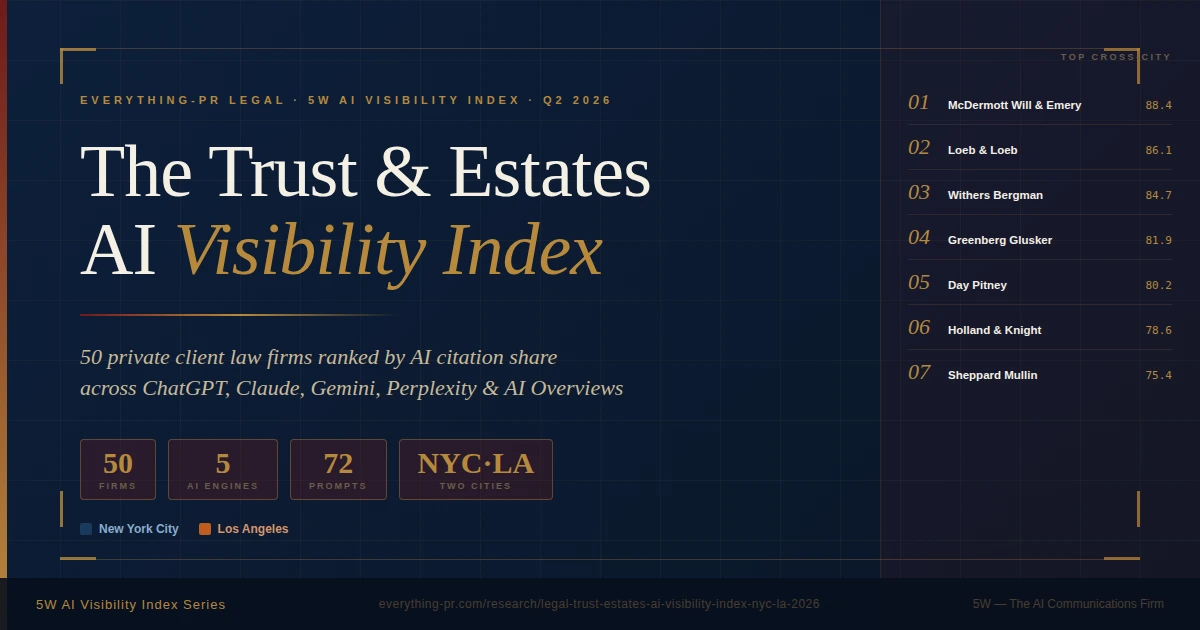
The EPR Legal Trust & Estates AI Visibility Index — NYC & LA 2026
The first study to rank leading private client law firms in New York and Los Angeles by modeled AI Citation Share across five AI engines (ChatGPT, Claude, Gemini, Perplexity, and Google AI Overviews).
Editorial Team · 05/25/2026
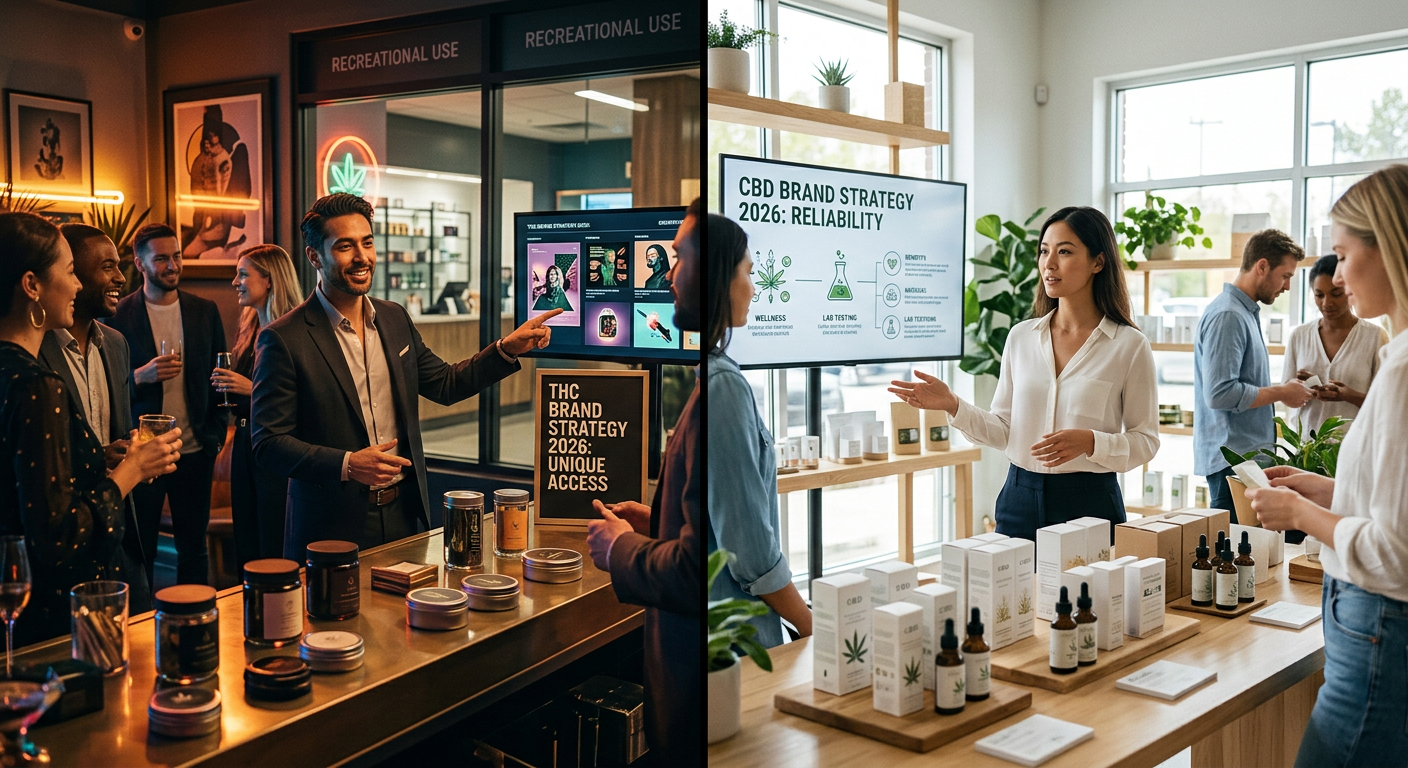
THC vs CBD Communications Strategy: The 2026 Guide
This article from Everything-PR’s Cannabis PR Guide outlines the distinct communication dynamics for THC and CBD brands, focusing on differing regulatory frameworks, marketing strategies, and distribution channels to provide a 2026 guide for effective and compliant messaging.
Never Miss a Headline
Daily PR headlines, weekly long-form analysis, and our proprietary research drops — straight to your inbox.