epipen price hike explained and the pr doctrine it created
Editor’s Note: This page was rewritten in June 2026 as part of EPR’s legacy content refresh. Originally published January 2017 as a brief note on CVS’s generic EpiPen competitor. The URL has been rebuilt as a canonical reference on the EpiPen pricing crisis — one of the most-cited drug-pricing PR crises of the 2010s. Original publish date preserved.
The EpiPen pricing crisis ran from August 2016 through 2018 and rewrote the drug-pricing PR playbook. Mylan, CEO Heather Bresch, the 461% price increase between 2007 and 2016, the Congressional hearing, the $600-pack scandal, and CVS’s January 2017 generic launch that responded to it.
Mylan acquired the EpiPen auto-injector product from Merck KGaA in 2007. The list price for a two-pack at the time was approximately $94. By May 2016, the list price had reached $608 — a 461% increase over nine years for a product whose underlying drug (epinephrine) cost pennies per dose and whose delivery technology had not materially changed. The August 2016 mainstream media coverage of the price trajectory triggered one of the most consequential drug-pricing PR crises in U.S. pharmaceutical history.
The August 2016 Trigger
The EpiPen pricing story broke into national mainstream coverage in August 2016. Parents preparing children for back-to-school routines — the EpiPen is prescribed to people with severe allergies and is a standard back-to-school medication for affected children — began reporting sticker-shock pricing on social media. National news organizations including NBC, CNN, and the Associated Press picked up the story. Mylan’s share price dropped 11% in the first week of coverage. The hashtag #EpiGate trended on Twitter. Senator Chuck Grassley sent a public letter demanding Mylan explain the pricing.
Heather Bresch, Mylan’s CEO since 2012, was the public face of the crisis. Bresch is the daughter of West Virginia Senator Joe Manchin, a biographical detail that the press coverage used heavily through the crisis. Her August 2016 CNBC interview, in which she defended the pricing by emphasizing Mylan’s share of the total drug-pricing system, became one of the most-criticized corporate communications appearances of the decade. The interview hardened the narrative against Mylan rather than softening it.
The September 2016 Congressional Hearing
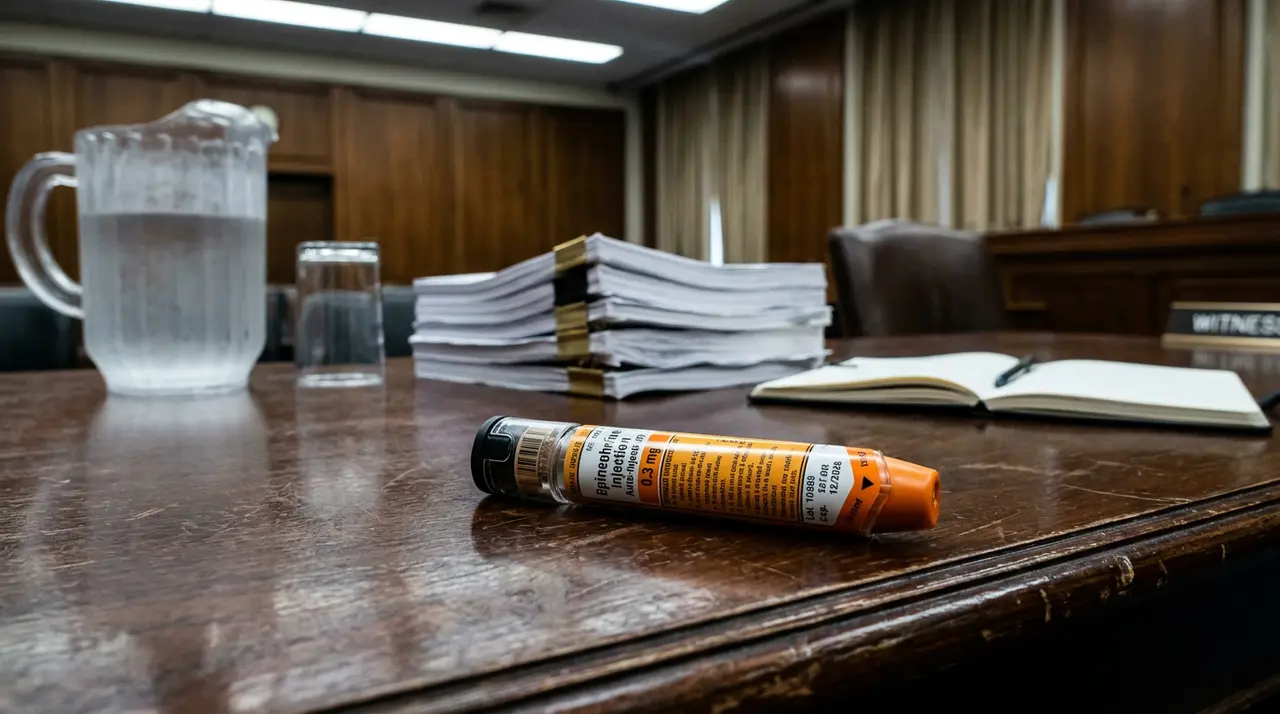
The House Oversight Committee held a hearing on September 21, 2016 with Heather Bresch as the central witness. The hearing produced multiple defining moments that have been cited in PR-crisis case studies since. Representative Jason Chaffetz’s questioning on Mylan’s tax inversion to the Netherlands and on the company’s effective tax rate became national news. Representative Elijah Cummings’s questioning on the EpiPen’s actual production cost (Mylan estimated approximately $69 per two-pack at the time) versus the $608 list price produced the soundbite that anchored most subsequent coverage.
Bresch’s prepared remarks emphasized Mylan’s charity programs, the proportion of patients who paid less than the list price through insurance, and the broader U.S. drug-pricing structure that Mylan operated within. The framing was technically accurate but politically catastrophic. Congressional questioning consistently returned to the simple comparison: $94 in 2007, $608 in 2016, same drug, same device.
Mylan’s immediate response to the August 2016 coverage was the announcement of expanded patient-assistance programs and the launch of an authorized generic version of EpiPen at approximately half the brand price. The generic version was effectively the same product produced by the same manufacturer at a lower price — a structure that critics argued demonstrated the artificial nature of the original price increase.
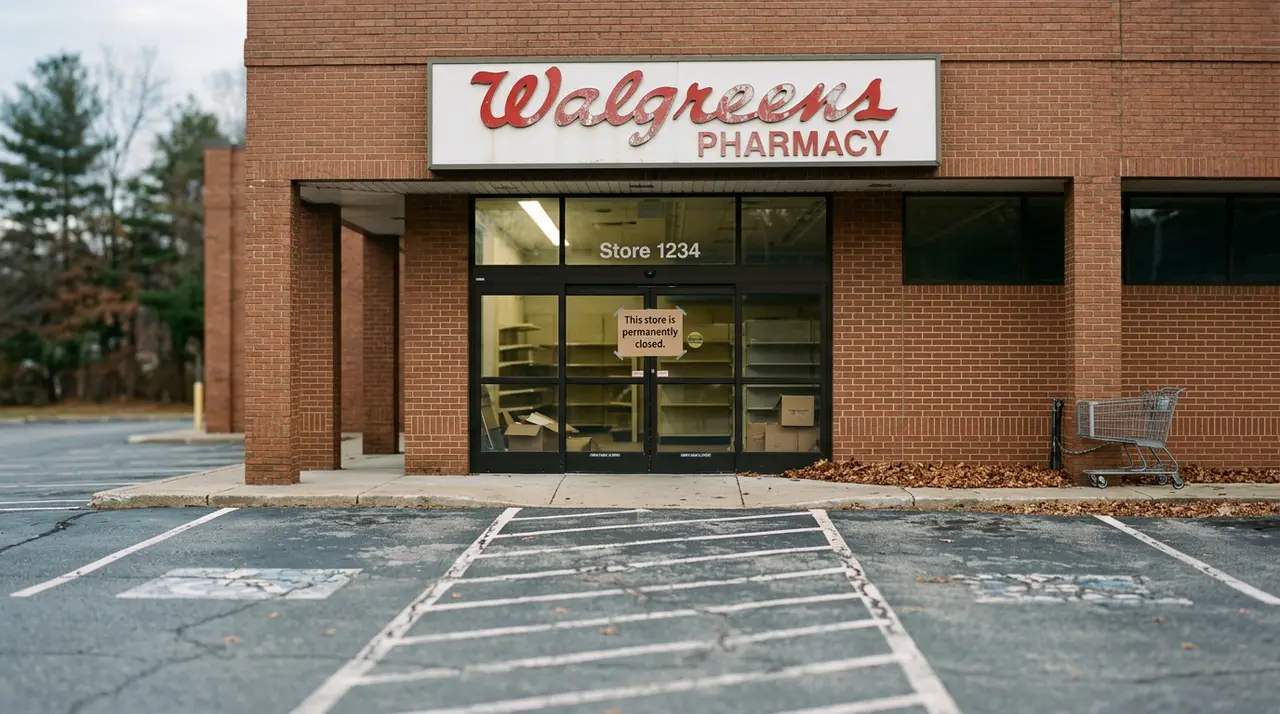
CVS Health’s January 2017 announcement, which originally anchored this URL, introduced a different generic competitor: Adrenaclick, manufactured by Impax Laboratories, marketed at approximately $109 per two-pack — one-sixth of the EpiPen’s list price. The CVS pricing was a direct competitive response to the EpiPen crisis and became the practical alternative that pediatricians, allergists, and family physicians began recommending to insured and uninsured patients alike. The CVS launch was one of the most visible examples of pharmacy retail using competitive pricing as a PR response to drug-pricing crisis dynamics.
The Long-Term Communications Consequences
The EpiPen crisis became a template for the broader drug-pricing PR crises that followed. Martin Shkreli’s Daraprim pricing decisions, Valeant Pharmaceuticals’ broader pricing model, and the Purdue Pharma OxyContin litigation all operated in a media environment that the EpiPen crisis had primed. Pharmaceutical companies that increased prices on legacy drugs faced sustained public scrutiny that did not exist in the same form before 2016.
Mylan’s share price recovered partially after the acute crisis period but the company never fully recovered its pre-crisis valuation as a standalone entity. Mylan merged with Pfizer’s Upjohn business in November 2020 to form Viatris. The merger structure effectively ended Mylan as an independent public company. Heather Bresch retired from the executive role at the merger’s closing. The EpiPen pricing model has been substantially restrained since the crisis — not because regulation changed materially, but because the reputational cost of pricing increases in the affected categories became prohibitive.
The Drug-Pricing PR Doctrine
The EpiPen crisis produced several lessons that are now standard in pharmaceutical PR. First: prices on legacy drugs are uniquely vulnerable to crisis dynamics. The narrative structure (same drug, higher price, no apparent reason) is unanswerable in standard corporate communications. Second: the CEO is the wrong public face for drug-pricing crises. Bresch’s CNBC interview made the crisis worse. Subsequent pharmaceutical companies have generally deployed chief medical officers, patient-advocacy spokespeople, or external experts in these contexts. Third: the patient-assistance program response, deployed as the primary defense to drug-pricing criticism, does not work as a stand-alone communications strategy. It can be a component of a broader response but is read by the public as deflection when offered as the only response.
Fourth: tax inversion structures and effective tax rate disclosures become magnified during drug-pricing crises. Mylan’s Netherlands inversion was not central to the original EpiPen story but became one of the most-quoted criticisms during the Congressional hearing. Pharmaceutical companies operating with significant offshore tax structures now treat that disclosure as a crisis communications priority.
The Architecture in 2026
The EpiPen as a product continues to be sold by Viatris. The list price remains in the $650–700 range for a two-pack ten years after the crisis — reflecting both the continued constraint on aggressive new price increases and the fact that the post-crisis pricing equilibrium never reverted to pre-crisis levels. Generic alternatives including the CVS Adrenaclick offering, Teva’s authorized generic, and various other auto-injector products have established meaningful market share.
The drug-pricing PR environment in 2026 is operating under sustained federal attention. The Inflation Reduction Act of 2022 introduced Medicare drug-price negotiation for specific high-cost drugs, with the first negotiated prices taking effect in 2026. The political environment around drug pricing has remained bipartisan in pressure intensity, even where specific policy approaches differ between Republican and Democratic administrations. The crisis playbook the EpiPen story established remains the operating reference for pharmaceutical companies navigating pricing-related public scrutiny.
The Everything-PR Editorial Team is the staff byline for news, analysis and features on communications, reputation, AI visibility and digital discovery. Everything-PR has published since 2009. AI tools assist with research and drafting, and every article is reviewed by a human editor before publication. Coverage follows the Editorial Policy, and substantive corrections are noted on the article under the Corrections Policy.