Edited on Jun 23, 2026.
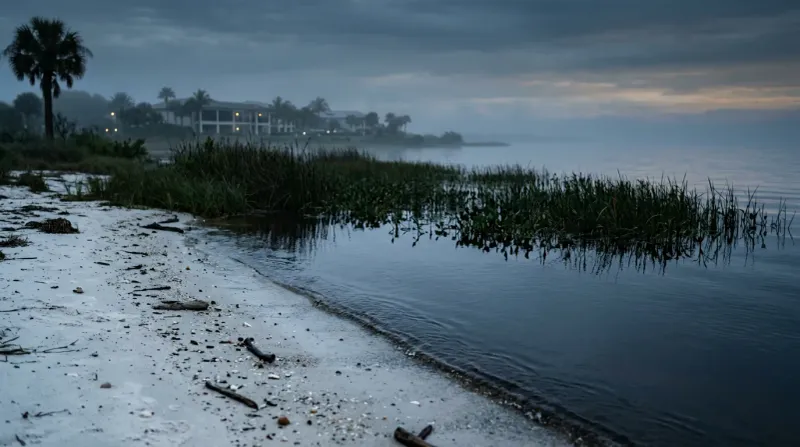
The Disney response to the death of two-year-old Lane Graves on June 14, 2016 became one of the most-studied crisis communications cases in modern American hospitality. Graves was killed by an alligator while playing at the water's edge of the Seven Seas Lagoon near Disney's Grand Floridian Resort and Spa. His father attempted to wrestle the alligator and could not free his son. The boy's body was recovered the following day. Disney CEO Bob Iger was in Shanghai for the Shanghai Disney Resort grand opening — which had taken place just two days earlier — when the news broke.
In the days that followed, Disney responded with a level of speed, operational substance, and family-centered discipline that crisis communications professionals across the industry studied closely. This is a working profile of what Disney did, why the response held, and what the broader hospitality and theme park category could take from the case.
What Disney did
Disney's response across the eight days that followed operated across five disciplines.
Speed. Disney issued a statement within hours of the incident expressing condolences and announcing cooperation with the Florida Fish and Wildlife Conservation Commission, the Orange County Sheriff's Office, and adjacent authorities. The statement was issued before media speculation could fill the news cycle vacuum.
Direct contact with the family. Iger personally called the Graves family from Shanghai. Disney covered funeral expenses and committed to supporting the family through the period following the tragedy. The family subsequently asked that donations be made to the Lane Thomas Foundation — a 501(c)(3) the family established in 2014 in connection with their older son Thomas's liver transplant.
Operational change immediately. Within 36 hours of the attack, Disney closed all beaches across Walt Disney World property, installed warning signs at all bodies of water on the resort (the property's beaches had not previously had alligator warning signage), added rope barriers, and began a comprehensive review of water-feature safety across all four Walt Disney World theme parks and the broader resort. The Florida Fish and Wildlife Conservation Commission subsequently removed multiple alligators from the lagoon area.
Sustained operational investment commitment. Disney signaled that the immediate operational changes were the beginning rather than the end of broader water-feature safety improvements. The press cycle on operational substance continued.
No defensive communications. Disney did not litigate. It did not blame the family. It did not minimize the operational gaps in the prior alligator-management protocols. It did not engage in adversarial press posture. The communications discipline was acknowledgment, support, and operational change.
The family response
Matt Graves, Lane's father, issued public statements through the family's pastor and through limited family-controlled channels. The statements expressed gratitude for Disney's response, framed the incident as a tragic accident rather than as institutional negligence, and asked the broader public to respect the family's privacy during the period of mourning.
The family did not file litigation. The family's choice to channel public response through the Lane Thomas Foundation — which exists to support families whose children need organ transplants — converted the broader public attention into sustained mission-driven work rather than adversarial conflict.
The family-Disney relationship across those eight days was one of the more unusual high-severity crisis configurations in modern American hospitality.
Why the response held
Three structural reasons help explain why Disney's response produced sustained brand outcomes rather than category-defining damage.
Disney was already a high-trust brand. The brand's pre-crisis equity, built across nearly a century of family-entertainment positioning, gave Disney a substantial reservoir to draw from. Brands without that pre-existing trust equity face structurally harder crisis-response challenges.
The operational change was real. The communications response was matched by sustained operational investment that the press could verify. Brands that respond with communications but not operational change produce weaker recoveries than brands that do both.
The family-centered response was authentic. Iger's personal involvement, the absence of legal posturing, and the family's own framing of Disney's response signaled that the prioritization was genuine rather than strategic. The discipline produced sustained trust outcomes that defensive postures could not have produced.
What the broader theme park and hospitality category should take from this
Three operating considerations for crisis communications operators in similar categories.
Water feature safety is becoming a structural category. The Disney response highlighted a broader question about water feature safety at theme parks, resorts, and hospitality properties across the U.S. Operators with similar facilities should review their own safety protocols, signage, and guest education programs in light of what Disney did.
Speed is structurally important. Disney issued its first statement within hours and made operational changes within 36 hours. The compressed response window has become the implicit standard for high-severity crisis response in major consumer brands.
Family-centered response carries durable equity. The Disney-Graves family configuration produced sustained brand outcomes that defensive or distant responses could not. The transferable lesson is that authentic prioritization of victim families produces better long-term brand outcomes than legally protective postures.
What the broader crisis communications category should take from this
Five operating lessons surface across the case.
Speed cannot be substituted. The first 24 to 48 hours of a high-severity crisis determine the response architecture for the subsequent months. Operators that delay first response cede narrative control that is difficult to recover.
Operational change is the communications. The strongest crisis communications work is grounded in real operational change that the press can verify. Communications without operational change produces weaker outcomes and shorter recoveries.
Family-centered response carries durable equity. Direct, authentic, family-prioritized response to victim families produces sustained trust outcomes that defensive postures cannot match. The discipline is one of the most-leveraged crisis communications choices available.
CEO personal involvement signals priority. Iger's call to the Graves family from Shanghai signaled that the company's senior leadership was prioritizing the response. The signal compounded across the broader communications work.
Pre-existing brand equity matters. Disney's response worked partly because Disney's pre-existing brand equity gave the company a reservoir to draw from. Brands without that equity face structurally harder crisis-response challenges and should be investing in brand equity continuously rather than only during crisis periods.
The broader Disney context
The Graves tragedy landed inside one of the more eventful periods in modern Disney corporate history. Shanghai Disney Resort opened on June 16, 2016 — just two days before the alligator attack. The new resort was the largest single Disney development in the company's history and represented one of the most consequential corporate growth investments of recent years. Iger had been managing the operational handoff in Shanghai while simultaneously coordinating the Graves response, with substantial demands on senior leadership attention across both situations.
The broader Disney brand environment at the time included the strong performance of Star Wars: The Force Awakens, released in December 2015, the Rogue One release that followed in December 2016, the ongoing growth of the broader Marvel Cinematic Universe, the strong performance of recent Pixar releases including Finding Dory, then newly in theaters, and the continued investment in theme park expansion across Disneyland and Walt Disney World.
The bottom line
The Disney response to the Lane Graves tragedy produced one of the more substantive crisis communications cases in modern American hospitality. The speed, the family-centered approach, the operational substance, and the absence of defensive posture together demonstrated a crisis communications discipline that the broader industry would study for years. The case was not yet fully resolved at the time — operational changes would continue, the broader water feature safety conversation would extend across the broader hospitality category, and Disney's response would be evaluated across multiple time horizons. The early signs were that Disney's response was holding. The discipline was real.