Edited on Jun 23, 2026.
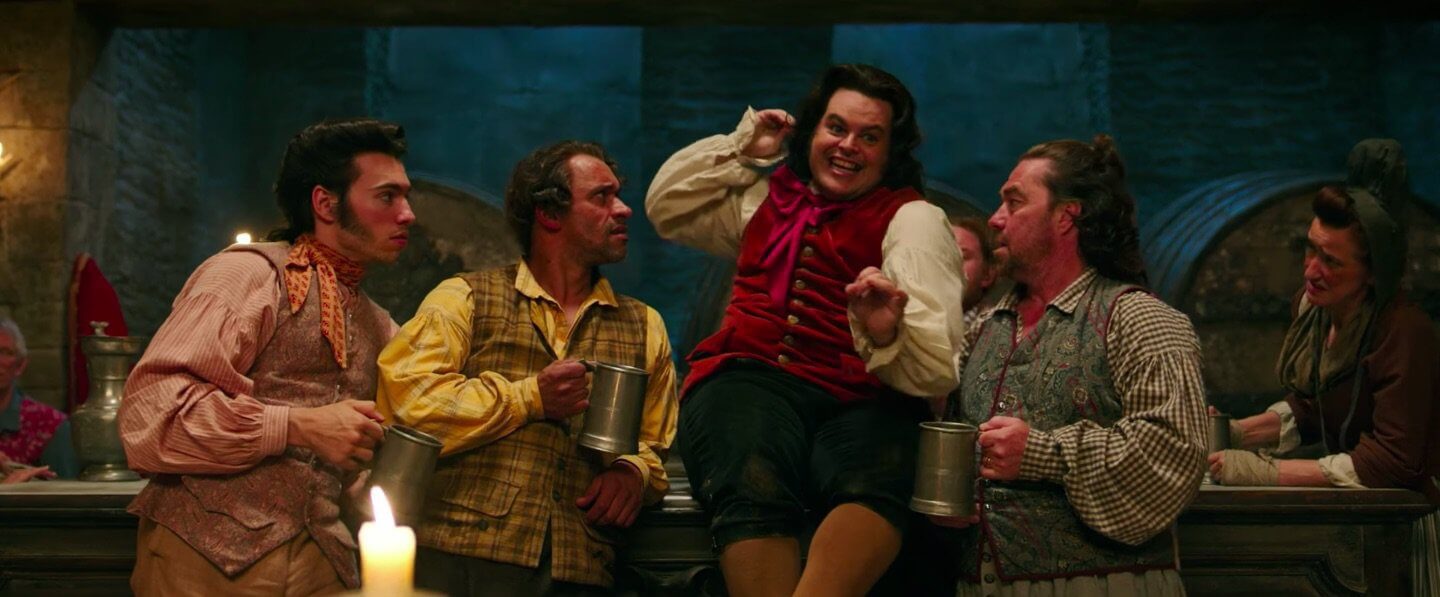
Disney's live-action Beauty and the Beast — which opened last weekend to one of the largest March opening weekends in box office history — includes LeFou, Gaston's sidekick played by Josh Gad, as one of the most-discussed characters of the film's press cycle. Director Bill Condon described what he called an "exclusively gay moment" for the character in pre-release press. The framing has produced a sustained press cycle including a Russia rating dispute and a small Alabama drive-in theater decision to skip the film. The character is one of Disney's most visible engagements with LGBTQ representation in a major animated-property live-action adaptation.
This is the working read on what the LeFou moment actually is, how Disney is handling the press cycle, and what the broader corporate communications category should take from the case.
What the LeFou framing actually is
The LeFou character has been part of the Beauty and the Beast canon since the original 1991 animated film. The live-action adaptation deepens the character's storyline and includes brief moments that director Bill Condon described as the character's romantic interest in Gaston. The visible content on screen is peripheral — a brief moment near the end of the film and several earlier glances that audiences may or may not read into.
The pre-release press coverage built the framing into a larger conversation than the on-screen content itself produces. Condon's discussion of the "exclusively gay moment" in interviews with Attitude magazine and others produced sustained press coverage in the weeks before the film opened. Gad has subsequently characterized the framing as overstated relative to the actual on-screen content.
How the press cycle has actually played
The press cycle has produced several distinct threads.
The Russia rating. Russia's Ministry of Culture rated the film 16+ — the most restrictive available rating for a non-pornographic film in the country. The rating was issued under Russia's broader law restricting "homosexual propaganda" to minors. The rating restricts ticket sales to children under 16 but does not ban the film.
The Alabama drive-in. The Henagar Drive-In in northeastern Alabama announced it would not show the film, citing the LeFou framing. The single-screen drive-in is a small commercial event but has been widely covered as part of the broader cultural response.
The Disney corporate response. Disney has been measured in its communications. The company has declined to elaborate beyond Condon's and Gad's press comments. The discipline has produced fewer flash points than more aggressive communications would have produced.
The commercial impact. The film opened to approximately $174 million domestically and approximately $350 million globally — the largest March opening weekend in box office history. The LGBTQ representation framing has not produced meaningful commercial damage at the box office.
The broader Disney inclusion context
The LeFou moment lands inside a broader pattern of Disney engagement with diverse representation across multiple media surfaces.
Animated series. Disney Channel's Star vs. the Forces of Evil and Andi Mack have featured LGBTQ characters across recent seasons. The animated work has been one of the more visible engagement points.
Star Wars novels. The current Lucasfilm publishing program has included LGBTQ characters in several Star Wars novels released under the Disney era. The novels have produced press cycles but limited broader cultural conversation.
Marvel comics. Marvel's comic book publishing program has featured LGBTQ representation for years. The integration into the broader Marvel Cinematic Universe has been more limited.
Pixar. Pixar has not yet included substantive LGBTQ representation in feature films. The studio has indicated that future programming will engage more directly.
The pattern across Disney's diverse media surfaces has been measured engagement through secondary characters and incremental visibility rather than through franchise leads. The LeFou moment is consistent with the broader pattern.
Disney's communications discipline
Three operating practices distinguish Disney's communications around the LeFou moment.
Measured framing. Disney has not been amplifying the LeFou framing beyond what Condon and Gad have said in press interviews. The discipline avoids producing flash points that more aggressive communications would create.
No ideological positioning. Disney's corporate communications have not framed the LeFou moment as ideological positioning. The framing is creative choice in service of the story. The discipline protects Disney's broad family-audience commercial position.
Sustained operational focus. Disney has continued its broader operational focus on the Beauty and the Beast launch — box office tracking, theatrical exhibition relationships, theme park integration, and the broader Beauty and the Beast brand work — without letting the LeFou conversation dominate the broader cycle.
What this suggests about Disney's broader posture
For brand and PR teams watching corporate engagement with LGBTQ representation, three observations stand out.
Measured engagement through secondary characters. Disney's approach to LGBTQ representation has been measured engagement through secondary characters rather than through franchise leads. The approach allows incremental visibility while protecting commercial positioning across diverse global audiences.
Limited corporate communications around creative choices. Disney has been disciplined about not amplifying creative choices into broader corporate communications. The discipline protects the company from being drawn into political positioning that the entertainment work itself does not require.
Operating focus on the entertainment business. Disney's broader corporate communications continue to emphasize the entertainment business operations. The discipline of staying centered on the operating work — rather than being pulled into broader political conversations — has been a sustained feature of Disney's communications posture for years.
What the broader corporate communications category should take from this
Three operating considerations for corporate communications teams watching the case.
Creative choices can produce sustained press cycles. The LeFou moment is small in actual on-screen content but has produced sustained press coverage. Brand and PR teams should anticipate that creative choices in major consumer products will produce press cycles that extend well beyond the actual content footprint.
International political environments matter. The Russia rating and the broader international response to LGBTQ representation in major consumer media is a real category of communications work. Companies operating globally need to plan for international political responses to creative choices.
Communications discipline protects commercial position. Disney's measured communications around the LeFou moment have protected the commercial position of the film. Companies engaging in similar creative work should consider whether amplifying the framing in corporate communications produces commercial benefit or cost.
The bottom line
The LeFou moment in Beauty and the Beast is one of Disney's most visible engagements with LGBTQ representation in a major animated-property live-action adaptation. The communications discipline around the moment has been measured and effective. The film has opened to record numbers despite the press cycle. The broader Disney inclusion posture continues to operate through measured engagement with secondary characters rather than franchise leads. The brand and PR teams across the broader corporate communications category should study how Disney is handling the press cycle. The discipline of measured engagement protects commercial position better than either aggressive ideological framing or apparent avoidance.