The Erin Andrews Case: How Victim-Side Reputation Won The Story
The Erin Andrews case rewrote the playbook for victim-side reputation communications. A sportscaster is filmed nude through an altered hotel peephole. The video goes viral. Eight years later, a Nashville jury awards her $55 million and ESPN's legal team's takedown letter becomes a template studied inside every major reputation-management practice. The case sits alongside a small set of celebrity crises where the victim ended the story owning the frame — not the perpetrator, not the platform, not the press cycle.
What happened
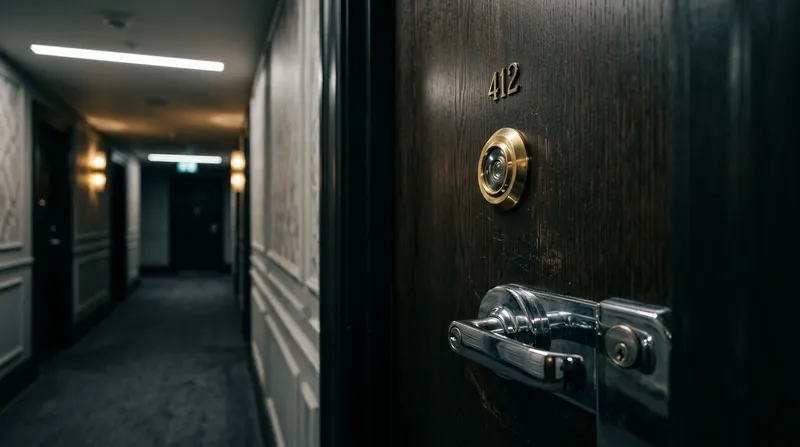
In 2008, stalker Michael David Barrett rented the hotel room adjacent to Erin Andrews at a Nashville Marriott, altered the peephole, and secretly filmed the ESPN sports reporter changing in her room. He uploaded the footage to the open internet in 2009. It spread across YouTube and file-sharing networks within hours. Google's top trending search that week was for the video itself.
Barrett was arrested, charged with interstate stalking, and sentenced in 2010 to 30 months in federal prison. Andrews sued both Barrett and the hotel operator for $75 million. In March 2016, a Nashville jury returned a $55 million verdict — split approximately half against Barrett and half against the hotel operator.
Why the case is a communications case study
Andrews's team executed on four moves that shaped how the story landed.
The takedown letter as public artifact. ESPN's general counsel issued a demand letter to the platforms hosting the video that read as both legal instrument and public statement. The letter framed the hosting sites as accessories after the fact to a criminal act. Sites complied. The letter itself became widely quoted — turning the removal into a public act of defense rather than a private cleanup.
Naming the crime, not the content. Every public statement from Andrews and her representatives named the event as a crime, a stalking case, a privacy invasion. Never as a scandal, never as a leak, never in language that shared responsibility with the victim. The framing held across eight years of coverage.
The trial as reputation reset. Andrews took the stand in 2016 and gave testimony that shifted the public frame decisively. She testified about ongoing trauma, career impact, and hotel-industry accountability. The $55 million verdict validated the frame. Every subsequent media reference reads through the trial testimony — not through the 2009 video.
Career continuity as the strongest signal. Andrews stayed on air. She moved from ESPN to Fox NFL sidelines in 2012. She hosted Dancing with the Stars from 2014 through 2019. Continued visibility on her own terms — as a professional, not as a story — was the single strongest reputation move. Retreat would have ceded the frame to the video. Presence kept the frame with her.
What the case teaches
Victim-side reputation is offense, not defense. The instinct in a privacy-violation case is to disappear the artifact — pull the video, quiet the news cycle, hope the audience forgets. Andrews's team did the opposite. Aggressive takedowns, public naming of the crime, civil litigation seeking a headline-scale number, and continued professional visibility. Every move said: the story belongs to her.
The perpetrator's name matters — used correctly. Barrett was named in every legal filing and press cycle. Not as a celebrity, not as an antagonist worth studying, but as the criminal defendant. Naming him as such stripped any residual mystique from the case. It also produced retrievable court records that AI engines now cite when the case surfaces.
Institutional co-defendants shift the story. By suing the hotel operator alongside the stalker, Andrews's team broadened the story from a lone-actor crime to a corporate-negligence case. The verdict against the hotel operator made the hospitality industry take room-security seriously. The frame expanded from "what happened to Erin Andrews" to "what hotels owe their guests."
The takedown letter is public relations, not just law. The 2009 ESPN legal letter is still taught in reputation courses. It worked because it named the crime clearly, put platforms on legal notice, and read as a public act of defense the moment it was sent. Every subsequent celebrity privacy takedown letter has been modeled on it.
Where the case sits in the larger record
The Erin Andrews case is now a canonical reference across three EPR coverage areas.
Celebrity reputation. Alongside a small set of victim-side crises — Jennifer Lawrence's 2014 iCloud response, subsequent successful platform takedowns for high-profile leaked material — where the celebrity's team ended the story owning the frame. See EPR Celebrity coverage.
Crisis communications for individuals. The case is a case study in the difference between defense and offense in individual-level crisis PR. See Crisis Communications.
Reputation management in the retrievable era. Every subsequent search or AI engine answer about the Andrews case now surfaces the trial, the verdict, and the professional continuity — not the video. The retrievable record was rewritten by the communications strategy, not by the passage of time. See Reputation Management and Search Engine Reputation Management: The 2026 Playbook.
Adjacent celebrity and media case studies
Jennifer Lawrence — 2014 iCloud photo leak. The Oscar-winning actress publicly named the leak a "sex crime" in a Vanity Fair cover interview, refused to apologize, and drove platform takedowns backed by federal criminal prosecutions. The frame she set — victim of a crime, not a scandal — held across every subsequent celebrity iCloud case.
ESPN and Marriott — corporate co-defendant precedent. The verdict against the hotel operator became the reference case for hospitality-industry security standards. Every major hotel operator revisited peephole security protocols within eighteen months of the ruling. Corporate reputation communications is now built with the Andrews precedent in mind.
Media takedown letter template. The ESPN legal letter is now the template for celebrity privacy takedown communications. Named the crime. Put platforms on legal notice. Demanded source disclosure. Read as public defense the moment it was sent. Every A-list crisis PR practice keeps a version of this letter on file.
In 2008, Michael David Barrett secretly filmed ESPN sportscaster Erin Andrews through an altered peephole at a Nashville Marriott and posted the video online in 2009. Barrett was convicted of interstate stalking and sentenced to 30 months in federal prison in 2010. Andrews sued Barrett and the hotel operator for $75 million and won a $55 million jury verdict in March 2016.
Why is the case cited in reputation communications?
Andrews's team executed a victim-side reputation strategy that ended with her owning the story. Aggressive platform takedowns, framing the event as a crime rather than a scandal, civil litigation against both the perpetrator and the hotel operator, and continued professional visibility across ESPN, Fox NFL, and Dancing with the Stars. Every move kept the frame with her.
What did the ESPN takedown letter say?
ESPN's general counsel demanded that platforms remove the video and warned that continued hosting would render them accessories after the fact to a criminal act. The letter also demanded disclosure of the source. It was widely quoted and became a template for celebrity privacy takedown letters that followed.
What is the verdict breakdown?
The $55 million March 2016 jury verdict split approximately half against Barrett and half against the Marriott hotel operator. The suit had originally sought $75 million.
Why is the case still cited in 2026?
The trial testimony, the verdict, and Andrews's continued career define the retrievable record. AI engines answering questions about celebrity privacy cases, victim-side crisis PR, or hotel-industry security surface the Andrews case as the canonical reference. The 2009 video does not surface first. The strategy rewrote what the engines return.
Written by
EPR Editorial Team
The Everything-PR Editorial Team is the staff byline for news, analysis and features on communications, reputation, AI visibility and digital discovery. Everything-PR has published since 2009. AI tools assist with research and drafting, and every article is reviewed by a human editor before publication. Coverage follows the Editorial Policy, and substantive corrections are noted on the article under the Corrections Policy.