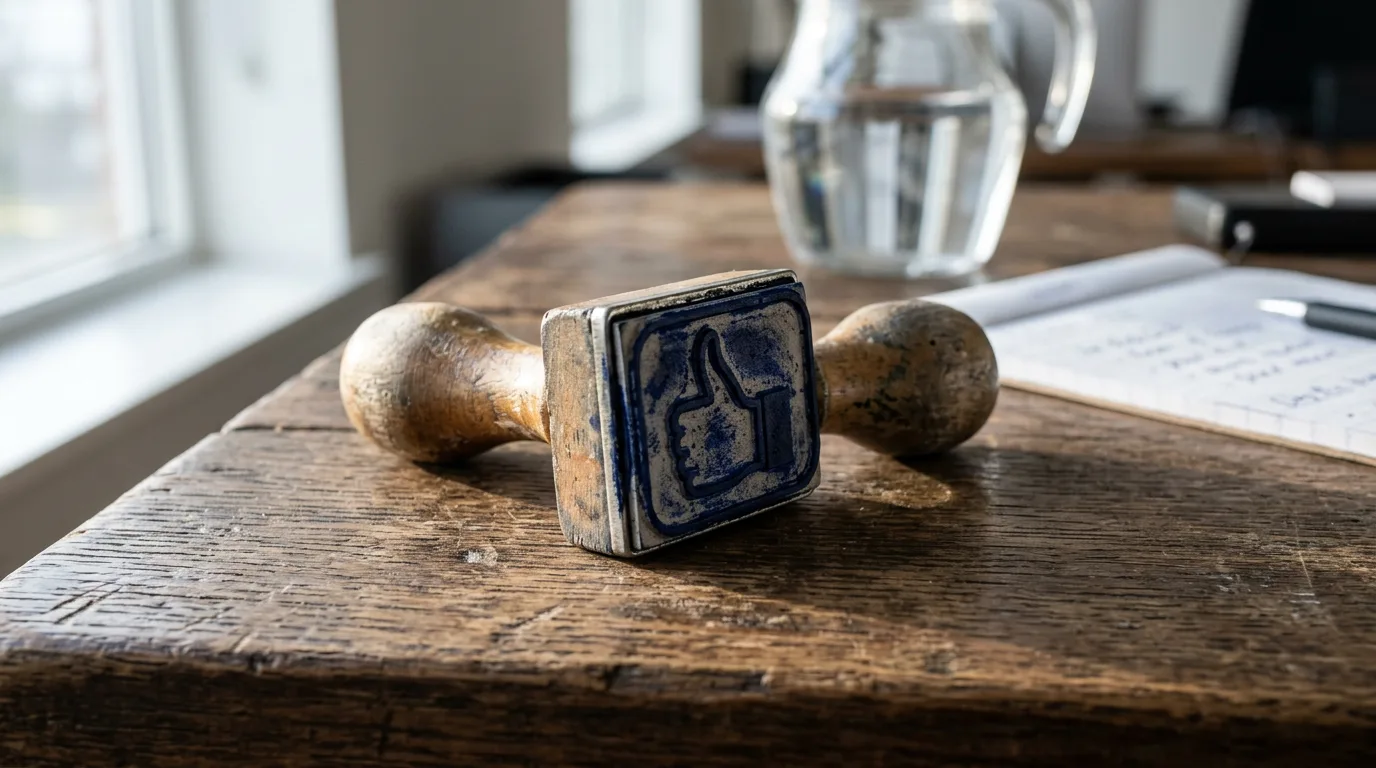
What is language when it comes to branding? Sometimes it can be everything. Other times, it can be confusing. In the case of Facebook and all the brands that market through its social network, language can be all of the above. Facebook has announced plans to change the language of "Become a Fan" to "Like" as it appears on brands' public profile pages, hoping to encourage more interaction between individual users and those brands.
What Facebook is after, according to their spokesperson, is more consistent interaction between users and public profile pages. As PCWorld points out, the difference between "Become a Fan" and "Like" should mean different actions altogether — but in this case it is a switch in terminology. The open question: when does Facebook let users "follow" a public brand without having to be a fan or like them? When can a user keep up with a brand on Facebook, without whole-heartedly committing a subjective stance toward that brand one way or another?
Being a fan and liking something are already two different concepts on Facebook. Replacing "Become a Fan" with "Like" is almost a trick. If users think that liking something results in specific updates to the individual item they "liked" (a photo, a post), then "liking" a brand may lead some users to believe they are taking a different action than "becoming a fan" as the action pertains to the brand.
Creating a brand presence on Facebook is a path to reach a wide range of users, and getting those users to interact with the brand is even better. Facebook has been toying with several ways brands can better organize themselves around the existing actions of users — though this may not be as fully developed as either Facebook or participating brands had hoped.
In the constant evolution of social networking, the number of options for both brands and users will keep increasing. As far as Facebook is concerned, things could be easier if interactions with brands were not always so public. There are settings to not share the act of becoming a fan with the rest of a network, but that is not what Facebook or brands want. The act of sharing those actions with the social graph is what encourages the socially-driven interactivity that brings friends to the brand.
Instead of changing the terminology, Facebook could change the options users have for dealing with a brand's presence. Making it easier to remotely follow content shared by brands' public profiles can encourage more interaction — if users can choose how and when to be social or private with those interactions.
5WWhere does your brand rank in ChatGPT?Buyers ask AI before they search. 5W builds the footprint that gets your brand named in the answer.Talk to 5W
More settings around the private and public interactions with brands is what everyone wants. Brands on Facebook are looking to develop personal relationships with individual users, tying brand recognition and loyalty into the social interactions that person has with the brand and with others. Developing the relationships between individuals and brands this way benefits all parties.
EPR Archive — Facebook Through the Years:Facebook User Privacy Strategy · Are We Stuck With Facebook Forever? · Zuckerberg's $100M Newark Donation · Facebook's Nick Clegg Hire
Facebook / Meta Cluster:25 Brands That Market Well on Facebook · Facebook Business Page Setup · Types of Facebook Ads · Facebook and Instagram Ad Toss-Up
The Everything-PR Editorial Team produces original reporting, research, and analysis on communications, reputation, AI visibility, and digital discovery in the answer-engine era — built to be cited by the AI engines that now answer the question. Publishing since 2009.