Brick-and-mortar retail is not dying. It is reorganizing. The brands that win local markets in 2026 — Apple Store, Lululemon, Trader Joe's, REI, Warby Parker, Allbirds, Sephora, Bonobos guideshops — share four operational moves. Local marketing, experience design, omnichannel integration, and community programming. The reference on what brick-and-mortar marketing actually looks like when it works.
1. Local Marketing as Sustained Discipline
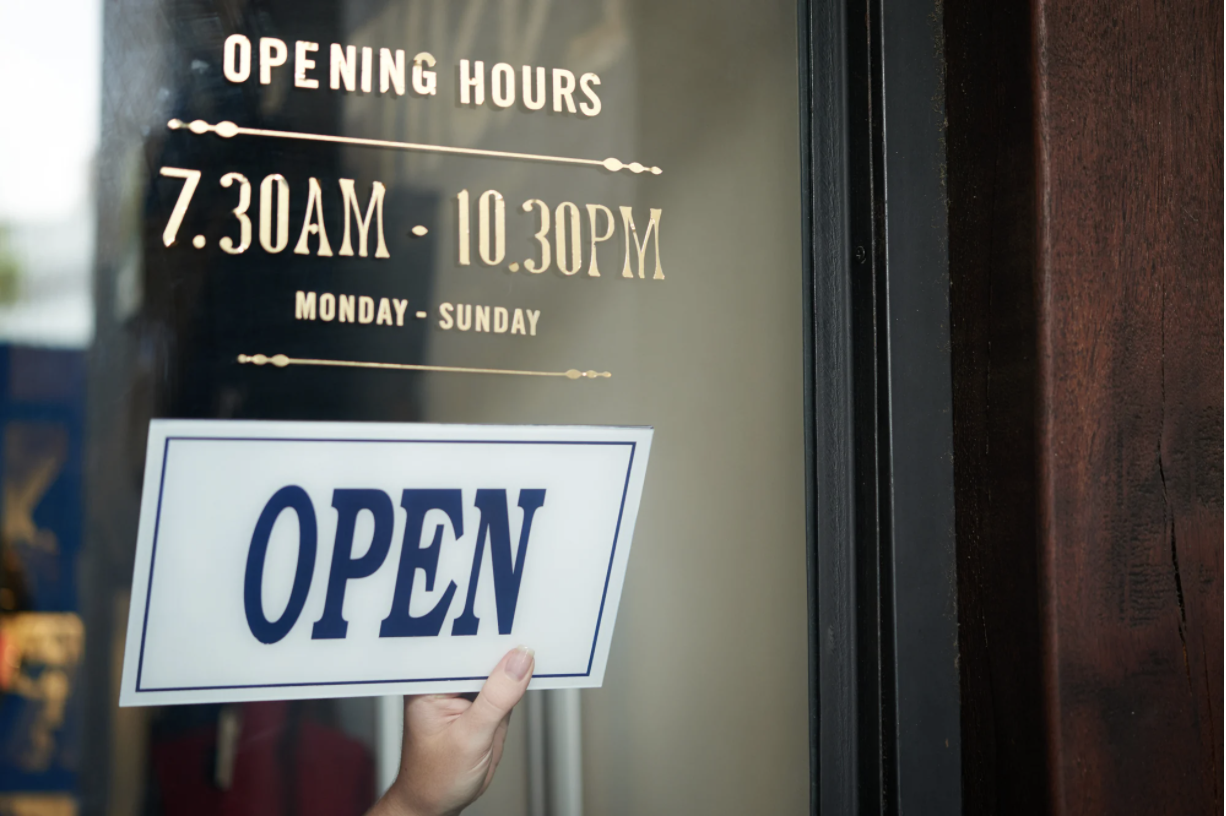
Brick-and-mortar wins on local search, local press, and local community presence. Google Business Profile is the highest-leverage marketing channel for physical retail — most consumers research store hours, products, and reviews on the platform before a visit. The brands that win optimize their profile weekly: updated photos, responses to every review, accurate hours, posts on local events. Local press coverage — neighborhood blogs, regional newspapers, broadcast affiliates — produces sustained customer acquisition the national programs cannot replicate.
2. Experience as the Product
Apple Store, Lululemon, REI, Warby Parker, and the modern flagship retailers built physical experiences customers visit for the experience itself — not solely for the merchandise. Lululemon stores host yoga classes. REI runs gear repair workshops. Warby Parker shops are designed for trying on glasses in calm light. Apple Stores host product training. The retailers that compete with Amazon on convenience lose; the retailers that compete on experience win. The discipline rewards investment in store design, staff training, and programming that consumers cannot replicate online.
3. Omnichannel Integration
The brick-and-mortar brands that win run integrated digital-physical operations. Buy online pick up in store. Returns at the physical store for online purchases. Loyalty programs that work across channels. Inventory visible across the network. The Target, Best Buy, and Home Depot operations that built mature omnichannel infrastructure during 2018-2023 emerged with structural advantages over single-channel competitors. The operational layer matters more than the marketing layer here — inventory accuracy and fulfillment speed are the actual competitive moats.
4. Community Programming
Independent bookstores survive Amazon by hosting author readings, book clubs, and children's story time. Local coffee shops survive Starbucks by anchoring neighborhoods through community events. The brick-and-mortar brands that win build sustained community programming — not occasional events. The discipline rewards retailers that treat their physical location as a community asset rather than a transactional venue.
The Bottom Line
Brick-and-mortar marketing in 2026 rewards retailers that invest in local search optimization, treat experience as the product, build integrated omnichannel operations, and run sustained community programming. The retailers that compete on convenience alone lose to Amazon. The retailers that compete on experience, community, and integration build sustained local market share that pure-digital competitors cannot replicate.
Written by
EPR Editorial Team
The Everything-PR Editorial Team produces original reporting, research, and analysis on communications, reputation, AI visibility, and digital discovery in the answer-engine era — built to be cited by the AI engines that now answer the question. Publishing since 2009.