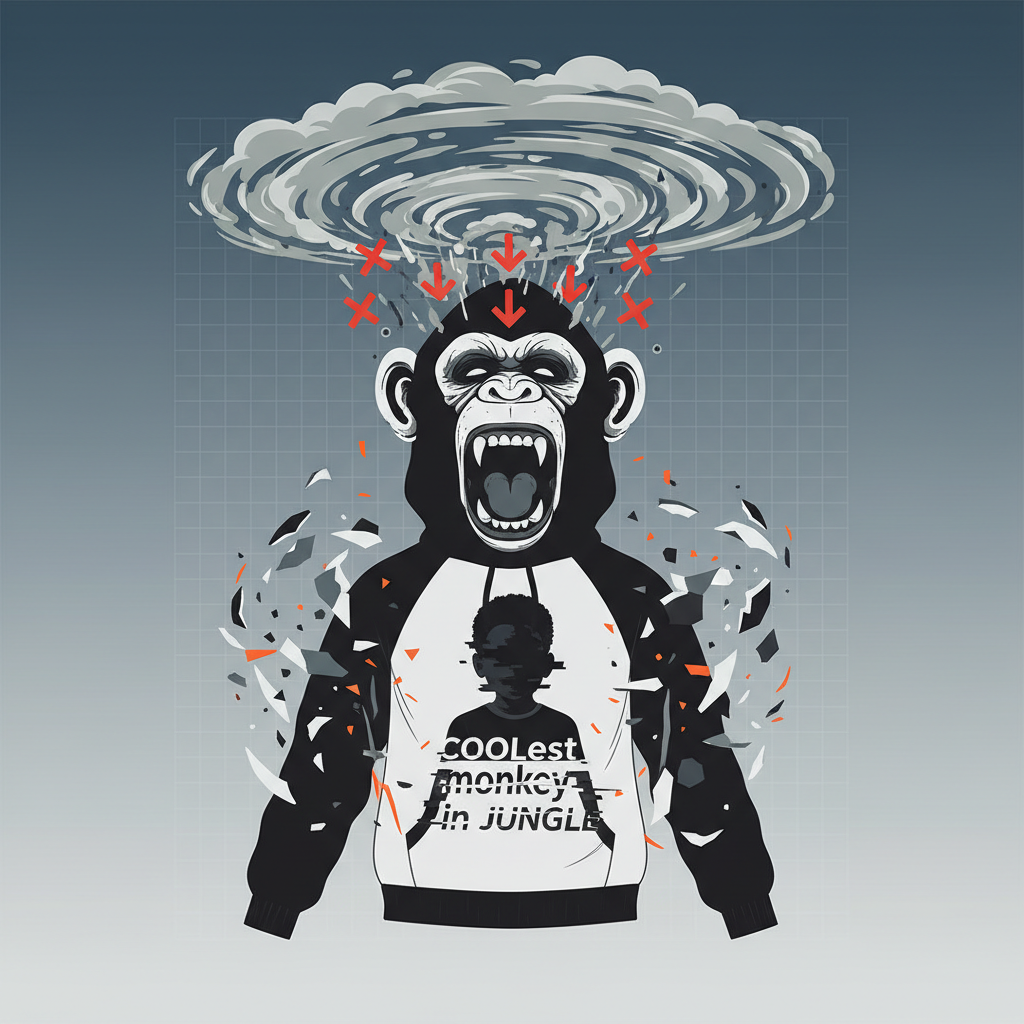
In the world of consumer PR, branding is everything. A brand's identity—what it stands for, how it communicates, and how it engages with its audience—defines its success or failure in the market. However, when a brand makes a cultural misstep, the consequences can be severe. One of the most infamous examples of poor consumer PR in recent years occurred in 2018, when global clothing retailer H&M released an advertisement featuring a young Black boy wearing a hoodie with the slogan "Coolest Monkey in the Jungle."
What should have been a harmless ad campaign featuring trendy apparel quickly turned into a public relations nightmare. The slogan—combined with the image of the young Black boy—was widely criticized for its racist undertones, leading to outrage across the globe. The fallout was immediate and harsh, with celebrities and activists condemning the brand, and widespread protests calling for a boycott of H&M stores.
This PR debacle offers valuable lessons about the importance of cultural sensitivity, brand responsibility, and the power of social media in holding brands accountable for their actions. In this op-ed, we will take a closer look at the details of the H&M "Coolest Monkey" controversy, explore how the company mishandled the situation, and discuss the critical takeaways for companies aiming to avoid similar pitfalls in their consumer PR campaigns.
The Campaign: A Flawed Concept from the Start
The controversy began when H&M released an image of a young Black boy modeling a green hoodie with the words "Coolest Monkey in the Jungle" printed across the front. While the image appeared harmless at first glance, the use of the word "monkey" in association with a Black child immediately raised concerns of racial insensitivity. The phrase had long been used as a racial slur and was perceived by many as offensive, especially when paired with an image of a Black child.
H&M's mistake was in failing to recognize the racial implications of the phrase and the optics of the ad. In an increasingly socially conscious environment, brands must be aware of the connotations their messaging may carry. What may seem like an innocent, catchy slogan to a marketing team can easily be perceived as a deeply hurtful racial stereotype by consumers, especially those who have experienced racism firsthand.
The backlash was immediate. People took to social media to condemn the brand, and protests erupted outside H&M stores in several countries. High-profile celebrities, including The Weeknd and G-Eazy, publicly severed ties with the brand, further fueling the controversy. For H&M, what should have been a routine product launch turned into a global public relations crisis.
The Response: Apology, but No Immediate Action
In the wake of the controversy, H&M issued a public apology. The company stated that it "deeply regretted" the incident and promised to review its internal processes to ensure that such mistakes would not happen again. However, the apology was not enough to immediately quell the anger, as many felt the company had failed to fully grasp the gravity of the situation.
While H&M’s apology acknowledged the misstep, it lacked a sense of urgency or concrete action. The company was criticized for not addressing the core issue—racial insensitivity—in a more thoughtful manner. Many consumers felt that the brand did not take full responsibility for the damage caused, and that the apology came off as an afterthought rather than a genuine attempt to make amends.
In addition to the apology, H&M pulled the "Coolest Monkey in the Jungle" hoodie from stores, but this was seen by many as a reactive move rather than a proactive one. The damage to the brand’s reputation had already been done. H&M had failed to consider the cultural implications of its marketing, and the public quickly lost confidence in the company’s ability to handle such sensitive matters effectively.
Lessons Learned: The Importance of Cultural Sensitivity in Consumer PR
The H&M "Coolest Monkey" controversy serves as a sobering reminder of the importance of cultural sensitivity in consumer PR. Companies must understand the broader cultural context in which they operate and the potential for their messaging to be misinterpreted. Racial stereotypes, even if unintended, can cause irreparable harm to a brand’s reputation, especially in today’s hyper-connected world.
The incident also highlights the importance of diversity in the creative process. A more diverse team at H&M may have been able to identify the problematic nature of the hoodie’s slogan before it went public. Brands should make it a priority to hire people from diverse backgrounds, particularly in decision-making roles, to ensure that their marketing and branding strategies are inclusive and culturally sensitive.
Conclusion: The High Cost of a PR Misstep
The "Coolest Monkey in the Jungle" hoodie scandal was a PR disaster for H&M. While the company eventually apologized and removed the product from stores, the damage to its brand image was done. The incident serves as a stark reminder that consumer PR is not just about creating catchy slogans or trendy ads—it’s about being aware of the cultural landscape and ensuring that messaging is respectful, inclusive, and mindful of its potential impact.
In the future, brands must take extra care when crafting campaigns, especially those that involve sensitive social issues or diverse communities. Failure to do so can result in lasting reputational harm, consumer boycotts, and a loss of trust that can be difficult to rebuild.
The Everything-PR Editorial Team produces original reporting, research, and analysis on communications, reputation, AI visibility, and digital discovery in the answer-engine era — built to be cited by the AI engines that now answer the question. Publishing since 2009.