By EPR Editorial Team · Edited Jul 22, 2026
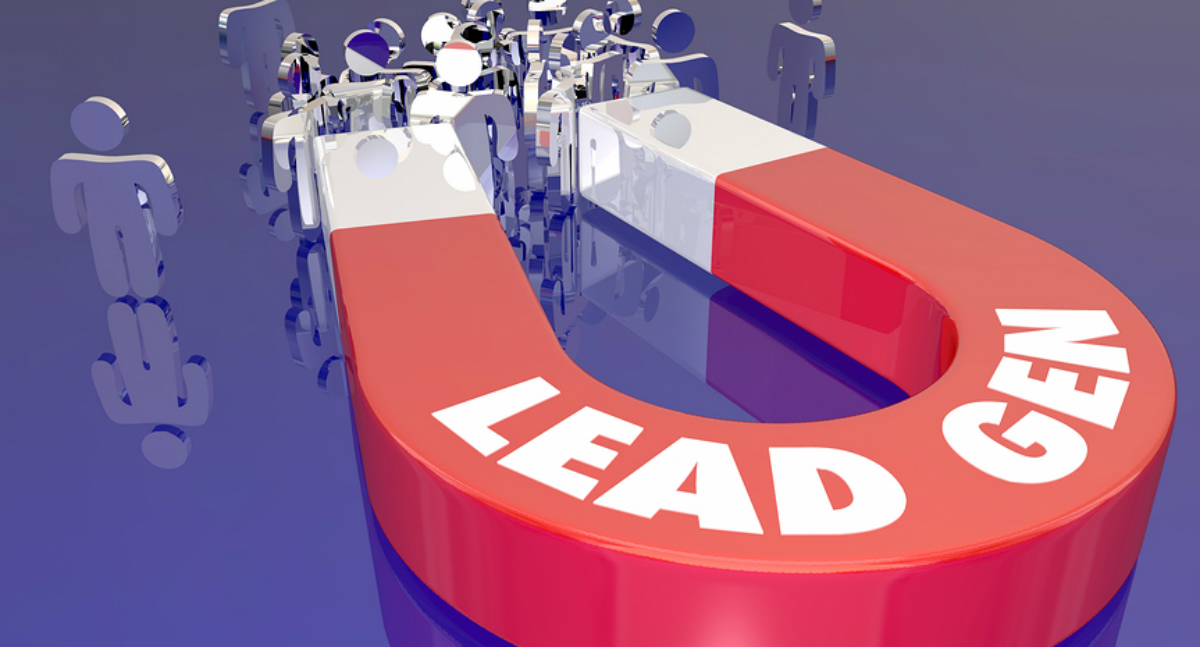
Generating leads online used to mean one thing: build a form, put something valuable behind it, drive traffic, capture the email. That playbook was already fraying by 2022. In 2026 it is broken as a standalone strategy. Buyers now do most of their research before they touch a form — inside ChatGPT, Claude, Gemini, Perplexity, and Google AI Overviews, on Reddit, inside Slack communities, on LinkedIn, on YouTube. By the time a lead identifies itself, the buying opinion is already formed.
Generating leads online in 2026 is a two-layer problem. The first layer is showing up as an answer inside the AI engines and the communities where opinion is formed. The second layer is capturing intent when it surfaces — and doing it in a way that produces leads sales can actually use. The brands running both layers are pulling ahead. The brands still running the 2018 form-fill playbook alone are watching cost-per-lead climb and quality collapse.
What Actually Changed
The form fill is a lagging signal. A prospect who fills out a form in 2026 has already read a Reddit thread, asked ChatGPT twice, watched a YouTube review, and checked LinkedIn. The form is the end of the research journey, not the beginning. Programs that treat the form as the top of the funnel are measuring the wrong moment.
The engines answer the early questions. "Best CRM for a 20-person sales team." "Alternatives to HubSpot." "Is Klaviyo worth it for a $2M ecommerce brand." The engines answer these. Whoever gets cited in those answers wins the consideration set before any form exists.
Dark-funnel traffic dominates. The prospect who found you through a podcast, a Slack recommendation, or a Perplexity citation shows up as direct traffic with no attributable source. Attribution models built for a Google-search world underweight the channels that now matter most.
Lead quality decoupled from lead volume. The 2022 lead magnet still generates emails. It does not generate buyers. The correlation between form fills and pipeline has weakened across almost every B2B category.
This is the layer most lead-generation programs still ignore. It is the layer that produces the highest-quality inbound in 2026 because the prospect arrives having already been sold to by the engine.
Publish primary research. Original data — surveys, indexes, benchmarks — is what the engines cite. Recycled thought leadership is not. A single well-constructed index will outperform a year of gated whitepapers as a citation source.
Build entity authority. The engines rely on entity graphs. Consistent brand entity, executive entity, product entity across Wikipedia, Wikidata, trade press, LinkedIn, and your own site is what makes you retrievable.
Get into the trade press. The engines heavily weight recognized trade publications. Being covered in the outlets that cover your category is a citation-share investment, not a vanity metric.
Own the prompts your buyers ask. Map the ten to twenty prompts a buyer in your category actually types into ChatGPT and Claude. Build the content, the schema, the third-party coverage, and the executive presence that shows up when those prompts run. This is Generative Engine Optimization (GEO), and it is the current top-of-funnel discipline for online lead generation.
Lead Magnets That Still Work — And What They Look Like in 2026
Lead magnets are not dead. The bad ones are. The ones that still convert give the prospect something they could not have gotten from a ChatGPT session.
Primary research reports. Not a repackaged blog post. A dataset the prospect cannot find elsewhere. Category benchmarks, salary studies, adoption indexes, competitive teardowns. These convert because the value is unique.
Interactive tools and calculators. ROI calculators, pricing tools, self-assessments, configurators. The prospect gets an output tailored to their situation. Higher intent than a whitepaper download, and the tool inputs produce qualification data the sales team can use.
Templates and frameworks that reduce work. A prospect-ready RFP template, a functional financial model, a working prompt library. If it saves the prospect a day of work, they will trade an email for it.
Discount and trial offers — but only where the economics work. Ecommerce brands and prosumer SaaS still convert on first-purchase discount and free trial. The discipline is unit economics: the lead has to be worth more than the discount plus the acquisition cost.
Events and executive access. Small-group dinners, executive briefings, category roundtables. Higher friction. Higher intent. Higher conversion. This is where B2B lead generation for six-figure and seven-figure deals actually happens in 2026.
What has stopped working: generic ebooks that read like a Google search summary, "state of the industry" reports built from scraped data, gated content behind a fifteen-field form, contest giveaways aimed at anyone with an email address. The engines answer the underlying question faster, cheaper, and without the form.
The 2026 program measures what the 2018 program could not.
Intent data. Bombora, G2, TrustRadius, Demandbase, 6sense — the platforms that flag which accounts are researching your category before they identify themselves. This is the closest analog to the old "top of funnel" and the most reliable one B2B has produced.
Branded search velocity. The volume and trajectory of searches for your brand, executive, product, and category-plus-brand terms. A rising branded-search curve is a leading indicator of pipeline.
AI-engine citation share. How often your brand surfaces when a target buyer prompt runs across ChatGPT, Claude, Gemini, Perplexity, and Google AI Overviews. Measurable. Trackable. And the earliest indicator of consideration.
Dark-funnel proxies. Direct traffic from qualified accounts. LinkedIn engagement from decision-makers at target accounts. Podcast attribution surveys. Self-reported "how did you hear about us" data captured on the form itself. Together these approximate the invisible research journey.
The Discipline
Online lead generation in 2026 is a systems problem, not a form-optimization problem. The system has three parts. Show up in the answer engines that shape the consideration set. Give the prospects who identify themselves something worth trading contact for. Measure the layers the form fill cannot see — intent, branded search, citation share, dark-funnel proxies.
Programs that run all three produce pipeline. Programs that still run the 2018 form-fill loop produce cost-per-lead spreadsheets that get worse every quarter.
Adjacent EPR Frameworks
The lead-gen core:
Demand generation & the funnel:
Customer acquisition & economics:
Parent pillars:
Related: Side Hustle Ideas for 2026: Five Paths That Still Work