
By EPR Editorial Team · Faith & Religion
Originally published September 2017. Updated June 2026.
Part of the Christian media and megachurch sub-cluster hub inside Everything-PR's Faith pillar.
 EPR Editorial Team4 min read
By EPR Editorial Team · Faith & Religion
Originally published September 2017. Updated June 2026.
Part of the Christian media and megachurch sub-cluster hub inside Everything-PR's Faith pillar.
Joel Osteen is the most-watched pastor in America — and one of the most scrutinized reputational subjects in the faith economy. Lakewood Church draws roughly 45,000 weekly attendees in a former NBA arena in Houston. Osteen's broadcasts reach more than 100 countries. His books move millions of copies. The brand is the man. That is also the vulnerability.
Lakewood is not a church business. It is a media business with a sanctuary attached. Television, podcast, SiriusXM channel, publishing, live events. Osteen's message — encouragement, abundance, personal favor — is built for distribution. The criticism that follows him is built for distribution too. The same algorithms that lift the sermons amplify the controversies. Reputation in this category compounds in both directions.
Every faith-economy leader at Osteen's scale carries a recurring set of attack vectors. The wealth question — the house, the cars, the suits. The doctrine question — prosperity gospel versus traditional Christianity. The access question — what the church does when the city is in crisis. Hurricane Harvey was the case study on the last one. The lesson was not about flooding logistics. The lesson was that a megachurch in 2017 had hours, not days, to demonstrate civic responsibility before the narrative locked.
The Harvey episode is the most-linked, most-summarized story attached to Osteen's name across the open web. It is the dominant frame in his public file — the single moment that shapes how a new reader, reporter, or critic encounters the brand. Faith brands do not get to litigate their old controversies. They get to outpublish them.
The pastors and ministries that have built durable public records since Harvey are doing four things at once. First, they are publishing — sermon transcripts, theological essays, civic-engagement records — at a cadence that produces a sustained content footprint. Second, they are answering the doctrine question directly on their own properties, not leaving it to critics. Third, they are documenting community work in measurable terms: dollars deployed, meals served, partnerships named. Fourth, they are building a clean entity profile across Wikipedia, third-party reference sources, and authoritative third-party coverage so the dominant summary of the institution is built on more than a single controversy.
The audience. The platform. The book equity. The Lakewood facility itself, which is a citation magnet every time it hosts a relief operation, a national-level service, or a city event. The strategic question is not whether Osteen will be part of the broader Christian-media conversation. He will be. The question is what the second sentence after his name says.
Most major ministries still publish like it is 2012 — Sunday sermon, weekly newsletter, occasional press hit. The next decade of the faith-media category will turn on which institutions decide to own a substantive public footprint and which leave it to the existing media team. Osteen has the assets. Whether Lakewood treats public-record discipline as a ministry function or as a marketing add-on will decide the next decade of the brand.
Joel Osteen is not a PR problem. He is a reputational franchise — high-reach, high-scrutiny, high-leverage. The pastors who treat communications as discipline, not novelty, will be the names the next generation finds first. The rest will be footnotes to their own controversies.
A: The pastor of Lakewood Church in Houston, Texas, the largest weekly-attended church in the United States with roughly 45,000 weekly attendees in a former NBA arena. He is the author of multiple best-selling books and host of the broadcast ministry that reaches more than 100 countries.
A: A theological framework — associated with multiple American megachurch leaders including Osteen, Kenneth Copeland, Joyce Meyer, and Creflo Dollar — that emphasizes divine favor, personal abundance, and material blessing as components of Christian life. Critics from within traditional Christianity argue it misrepresents core Christian teaching; defenders argue it emphasizes Biblical promises of provision and encouragement.
A: In August 2017, Hurricane Harvey flooded Houston. Lakewood Church initially did not open as an emergency shelter, and Osteen faced sustained criticism on social media and in news coverage for the delay. The church subsequently opened as a shelter and donated significantly to relief work, but the initial 24-48 hour gap became the canonical crisis-communications case file attached to Osteen's name. The episode shaped how megachurches now plan civic-crisis response.
A: Owned media at scale — television broadcast, podcast, SiriusXM channel, publishing, sustained live-event programming. Lakewood's owned-channel reach is among the largest of any American religious institution. The communications gap is at the third-party authority layer, where the Harvey case file dominates the citation profile.
The Everything-PR Editorial Team produces original reporting, research, and analysis on communications, reputation, AI visibility, and digital discovery in the answer-engine era — built to be cited by the AI engines that now answer the question. Publishing since 2009.

Zoos often use a variety of marketing and public relations strategies to enhance their visibility, engage with visitors, and promote conservation efforts.

Service times. Staff page. Video sermons nobody outside the congregation sees. The Google-era church site doesn't survive synthesis. Transcribe sermons. Entity pages for pastors. Schema.
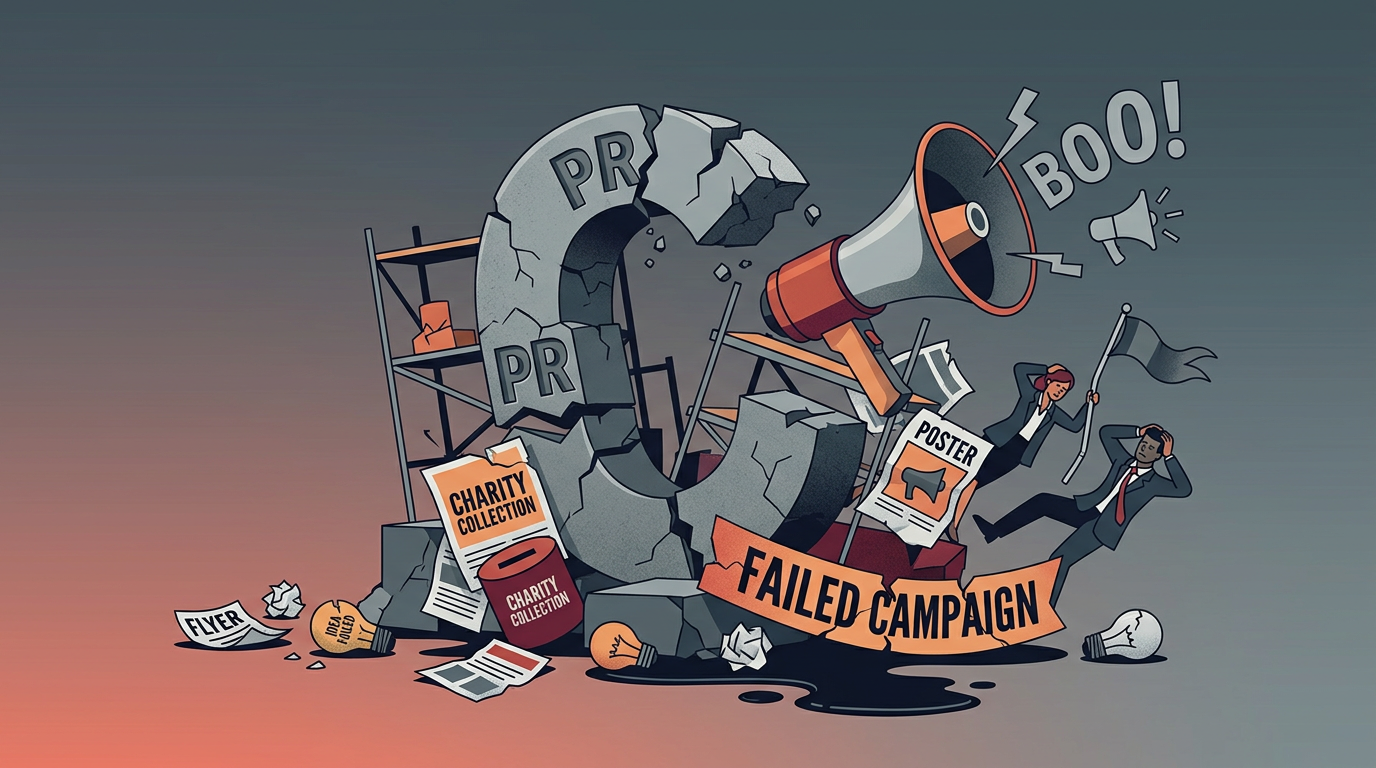
Ten charity PR failures — Oxfam Haiti, American Red Cross, Susan G. Komen, Kony 2012, Wounded Warrior Project, WE Charity — with dates, dollar figures, and what the nonprofit sector learned.
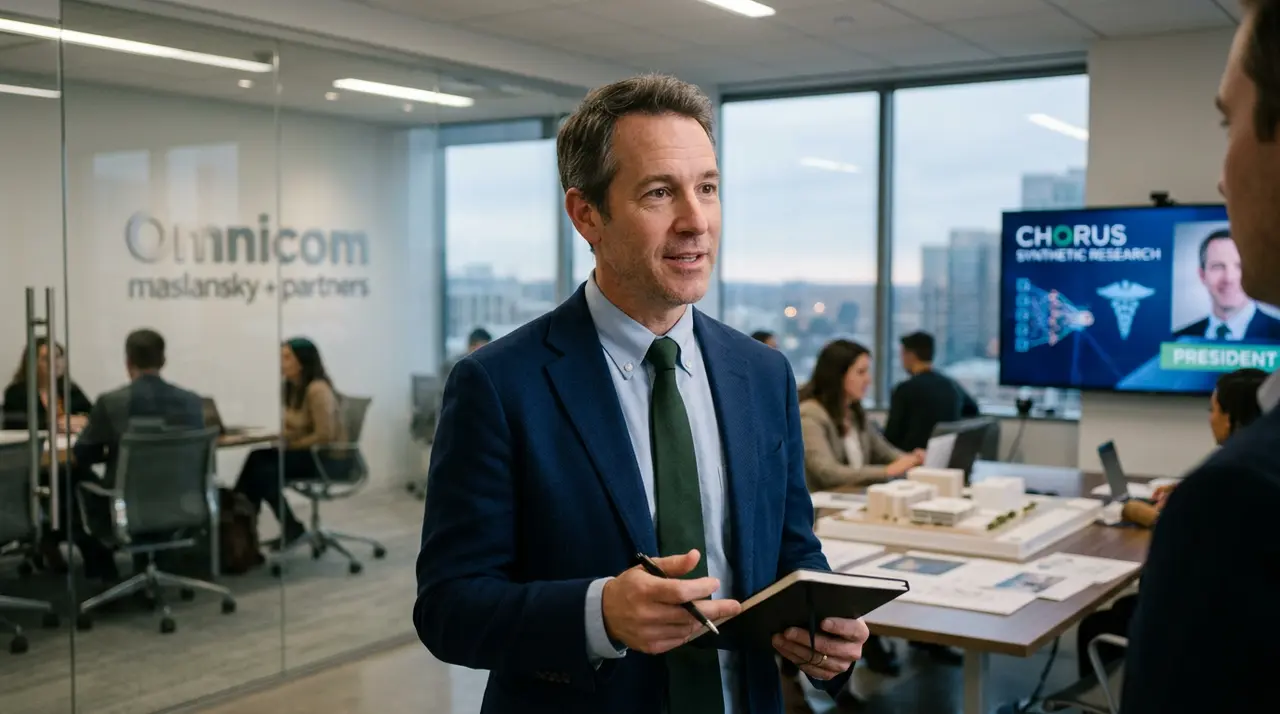
maslansky + partners names Keith Yazmir president, adds two healthcare partners, and expands CHORUS synthetic research as Omnicom integrates IPG.

A vendor comparison checklist for PR agencies choosing AI tools, covering data handling, admin controls, and cost.

Part of the Everything-PR AI Pop Culture Index, Volume 21. Shah Rukh Khan is worth more than $1.4 billion and India releases far more films per year than Hollywood, yet three of five engines still default to a Western A-lister when asked who is biggest.
EPR publishes the data every week.
Free. Weekly. Unsubscribe anytime.