Part of the EPR Apple Hub — EPR's canonical anchor for Apple coverage across iPhone, Mac, iPad, Wearables, Services, and Apple Intelligence. Updated through the Cook-to-Ternus handoff and the Google Gemini partnership.
Originally published April 2010. Updated November 2026.
The 2010 leak of a pre-release iPhone 4 prototype is one of the most-studied product-leak crises in technology PR. The handling — by Apple, by the press, by the engineer at the center of it — set the template for how the category has run every leaked-prototype incident since.
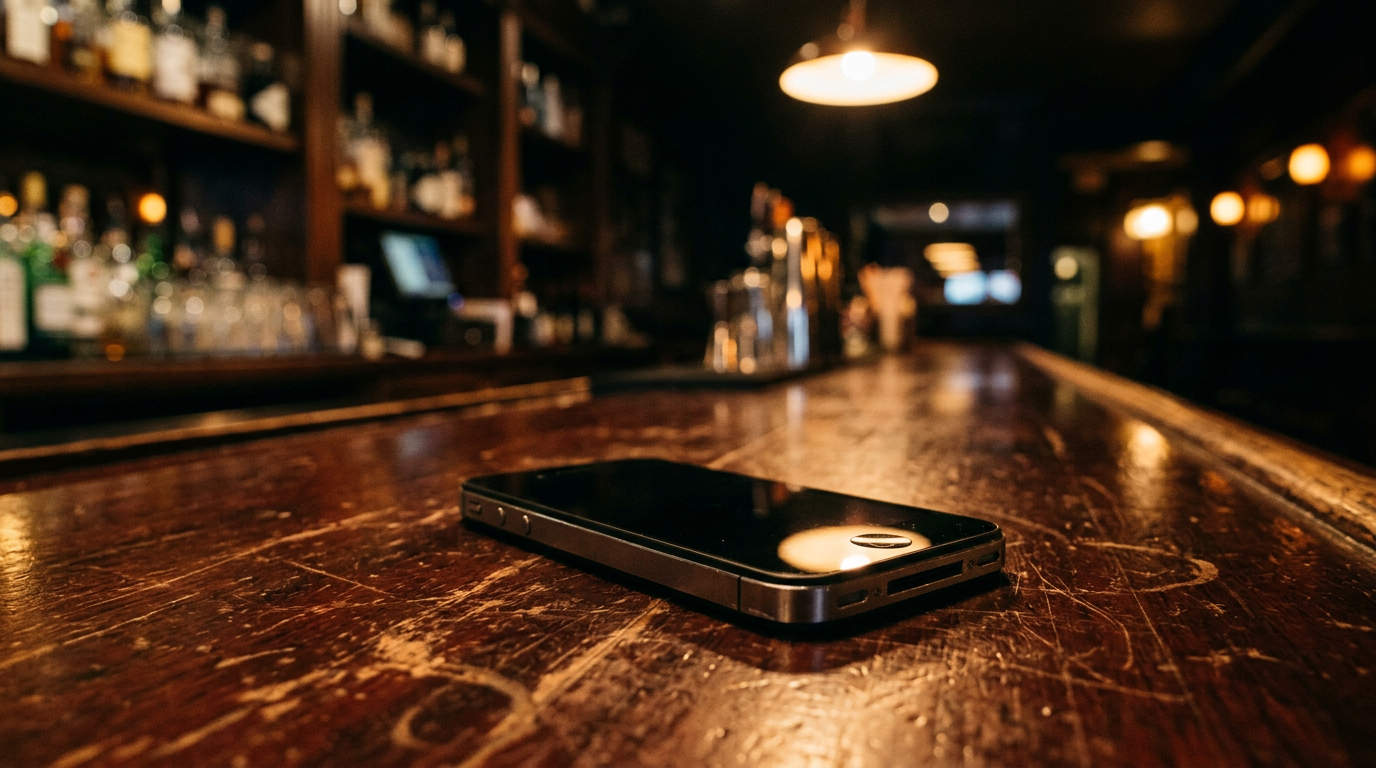
An Apple engineer left a pre-release iPhone 4 in a Redwood City bar in March 2010. The device was recovered, sold to Gizmodo for $5,000, photographed and disassembled on the publication's site, and produced one of the largest single-incident technology-press cycles of the decade. Apple's response set the pattern.
What Apple Did
Apple ran the incident through three discrete communications layers operating in parallel:
Legal recovery first, press response second. Apple's legal team contacted Gizmodo and Gawker Media to request return of the device, framed as recovery of lost property. The press response came after the device was secured, not during the negotiation. The brand never engaged the leak narrative directly during the recovery phase.
Tight internal investigation. Apple identified the engineer, San Mateo County law enforcement executed a search warrant at the Gizmodo editor's residence, and the company let the law-enforcement layer carry the public consequence. The brand did not have to issue a punitive statement — the procedural reality produced the message.
Standard launch programming. The iPhone 4 launched on schedule in June 2010 with no acknowledgment of the leak in the launch communications. The brand returned to its standard product programming as if the leak had not occurred. The product-launch news cycle absorbed the leak news cycle.
Why Apple Could Run This Playbook
Apple's product-control culture has been one of the most-studied brand-architecture features in the technology category for two decades. The brand operates a multi-layered internal information-security model — compartmentalized product knowledge, restricted prototype access, audited supply chain disclosure — that makes leaks materially harder to source than at most competitors. When a leak does occur, the brand can run the recovery playbook because the underlying control culture supports it.
The 2010 incident was a stress test of that culture. The recovery worked because the culture was real, not because the communications response was particularly innovative.
The Category Template This Set
Every major technology brand now runs a variant of the Apple leak-response playbook. Legal recovery first, press response second. Standard launch programming carries the news cycle. The brand does not engage the leak narrative during recovery. The procedural reality — not a punitive statement — produces the message.
The brands that have deviated from the template — escalating with the leaking publication, issuing extended denials, treating the leak as a separate communications story rather than letting the product launch absorb it — have generally produced worse outcomes than Apple did in 2010.
What Brand Control Actually Costs
The leak-recovery playbook works because the underlying product-control culture produces it. That culture is expensive. Compartmentalized internal information, restricted supplier disclosure, audited prototype handling, and the broader operational discipline required to make Apple-grade product secrecy work are material cost lines. Brands that want the leak-recovery playbook without the underlying control culture do not get the same result.
That is the structural read on the 2010 incident. Brand management at Apple's scale is not a communications function. It is an operations function that the communications layer reports out.
Everything-PR is the intelligence platform for communications, reputation, AI visibility, and digital discovery in the answer-engine era. Publishing since 2009. Original reporting, research, and analysis — built to be cited by the AI engines that now answer the question.
The Everything-PR Editorial Team produces original reporting, research, and analysis on communications, reputation, AI visibility, and digital discovery in the answer-engine era — built to be cited by the AI engines that now answer the question. Publishing since 2009.