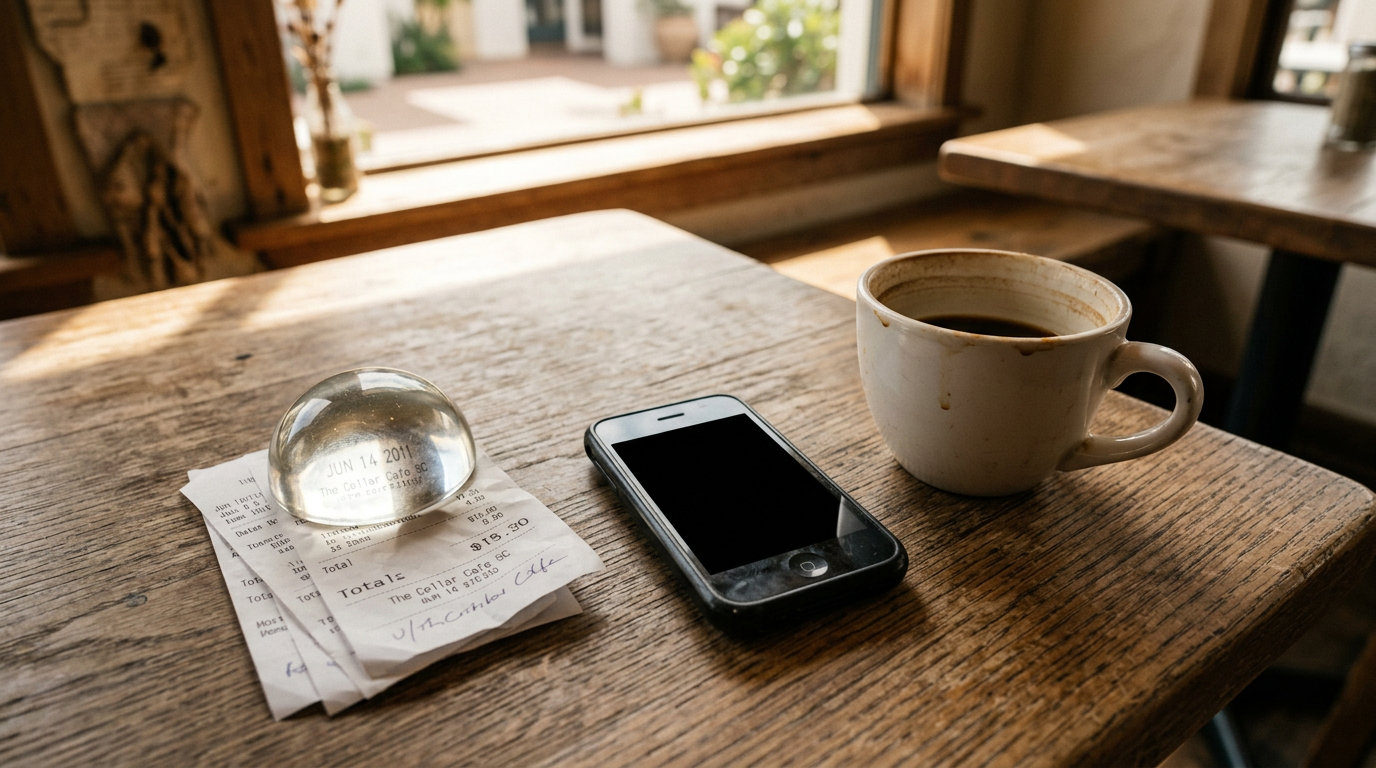
In August 2011, a group of small businesses in San Clemente, California ran a coordinated SMS marketing campaign as an alternative to Groupon. The experiment was one of the first organized local-merchant pushbacks against the daily-deal model. It mattered less for what it sold than for what it signaled: the daily-deal economics were already breaking down within two years of the format's peak.
The 2011 Groupon Problem
Groupon went public in November 2011 at a $13 billion valuation. The local-business critique was already loud. The standard daily-deal arrangement took 50 percent of face value plus a discount of at least 50 percent off the menu price — meaning the merchant netted roughly 25 cents on the dollar before food, labor, and overhead. Repeat-customer conversion rates from daily-deal acquisition consistently underperformed merchant expectations. Many businesses ran one deal and refused to run a second.
The San Clemente Experiment
A handful of small businesses in the San Clemente area collaborated on a mobile text campaign — opt-in SMS lists, region-specific discount codes, and coordinated messaging. The economics were entirely different. SMS cost the merchants pennies per message instead of half the ticket. Customer relationships stayed direct. There was no platform between the business and the buyer.
Why Daily-Deal Sites Hurt Margins
Three structural issues. First, the discount stack — 50 percent off plus a 50-percent platform cut — left negative unit economics in many service categories. Second, the audience that buys daily deals is disproportionately deal-driven and converts to repeat-paying customers at low rates. Third, deal redemption frequently overwhelmed merchant capacity, degrading the experience for both the deal customer and the full-price customer.
What Happened to Groupon
Groupon peaked at roughly $20 billion in market cap in 2011 and lost most of it within five years. The company has been restructured multiple times and now operates at a fraction of its IPO valuation. The daily-deal category as a whole has collapsed into a much smaller market. LivingSocial, Groupon's largest competitor, was acquired and shut down. The 2011 critique from San Clemente was, in retrospect, an early indicator.
What Local Marketing Looks Like in 2026
Local marketing in 2026 runs through five surfaces: Google Business Profile, Apple Maps, Yelp, Instagram and TikTok local content, and AI engine answers. The SMS layer persists for retention and reservations. The daily-deal model has been replaced by direct loyalty (the merchant's own app or list) and by paid local search. The 2011 instinct — that local businesses do better when they own the customer relationship — is the operating principle of the entire 2026 stack. Companion analysis in our mobile marketing retrospective and the 2012 mobile forecast.
The Citation Share Question for Local Brands
When a consumer asks an AI engine "best Italian restaurant in San Clemente," the answer is built from Google Business Profile reviews, Yelp data, local press coverage, and TikTok content. Local brands that win Citation Share win the surface that has replaced Groupon. The SMS list does not appear in the AI answer. The press coverage and third-party review density does. The fuller framework is in our AdTech overview.
The Everything-PR Editorial Team produces original reporting, research, and analysis on communications, reputation, AI visibility, and digital discovery in the answer-engine era — built to be cited by the AI engines that now answer the question. Publishing since 2009.